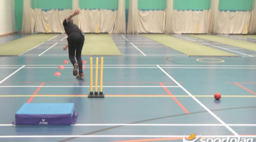
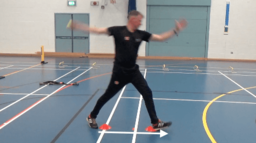
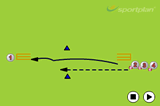
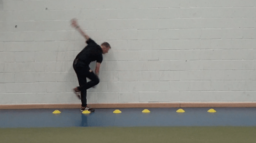
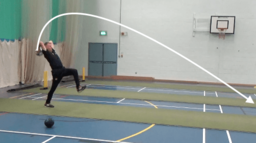
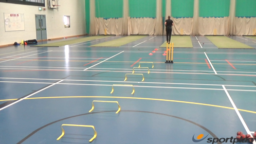
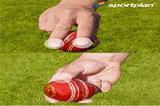
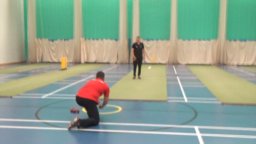
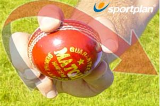
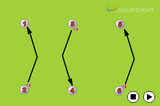
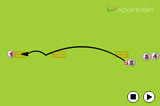
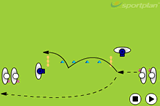
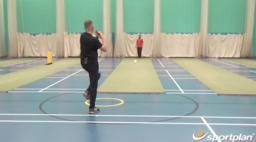
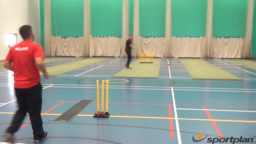
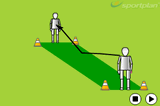
Bowling comes in two categories: either fast or spin (slow) bowling. The videos and drills below show the technique required to do both types of bowling.
Fast bowlers aim to get the ball to the batsman as quick as possible and have a longer run up. Fast bowling aims to either swing the ball toward (inswing) or away (outswing) from the batsman while it is in the air, bounce off the ball's seam to make it move when it hits the pitch, land the ball half way up the wicket (a bouncer) or at the batsman's feet (a yorker).
Slow bowlers look to put as much rotation on the ball as possible to make it move off the pitch toward the bowler (off-spin) or away (leg-spin). A spin bowler will try to vary their speed and how the ball arrives (its flight) to the batsman. Depending on the amount of spin the ball can move in the air, known as drift.
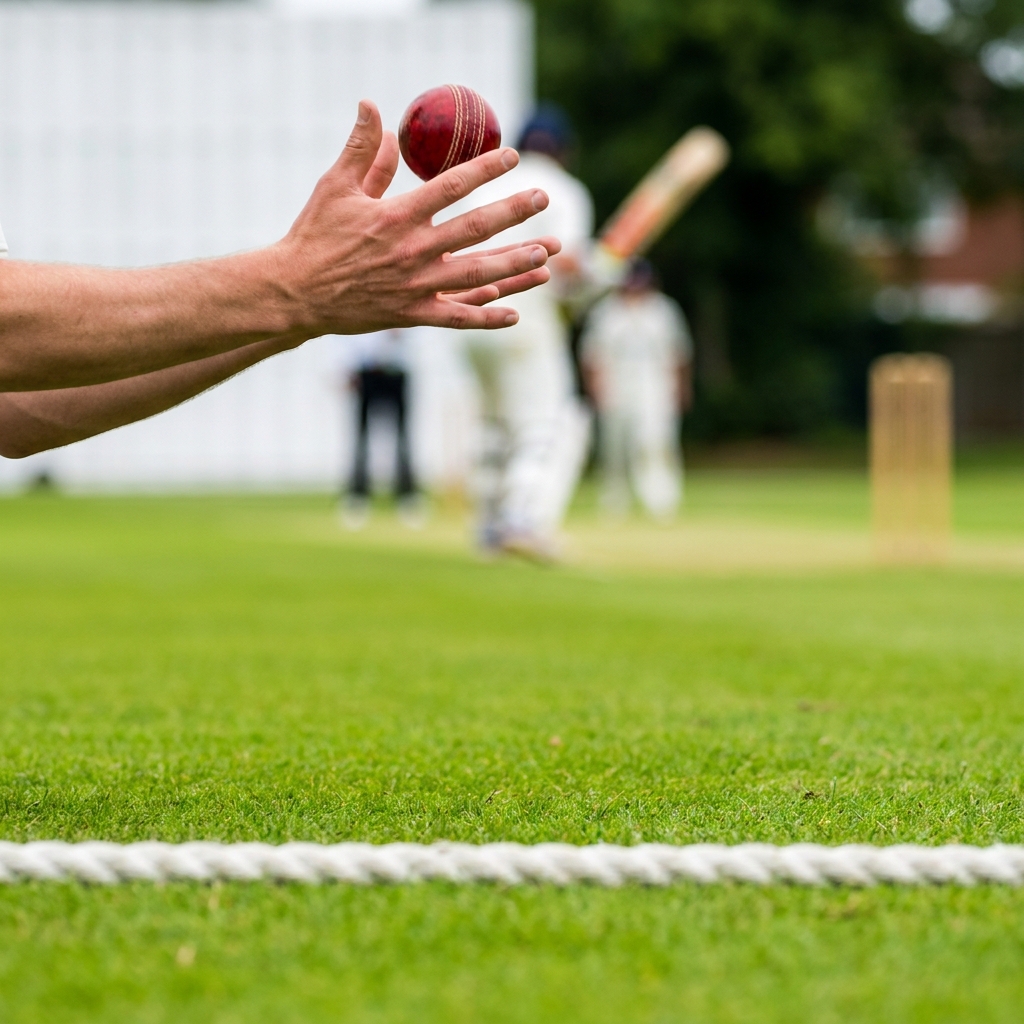
The new Laws of Cricket are in force from 1 October 2026 and the 'bunny hop' boundary catch is gone. Here is how to coach your fielders to catch on the rope this winter.

The covers are on and the last tea has been served. What your club does between now and April decides how the next season starts. Here is a simple, honest winter plan for players, bowlers and juniors.
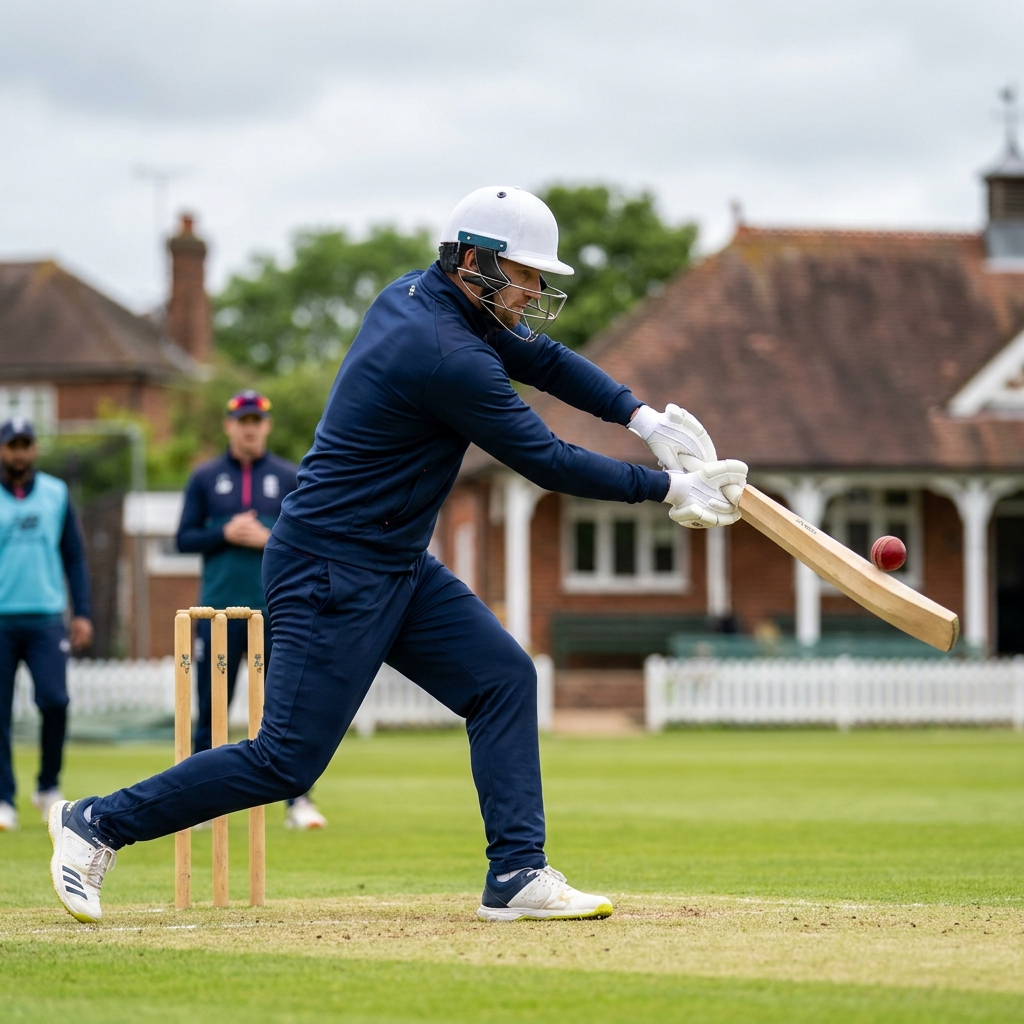
August is when seasons are decided, and most club games are lost chasing rather than setting. Give your batters a framework for the chase and you win the close ones.


Register for FREE and get coaching tips, top drills, session and more every week!