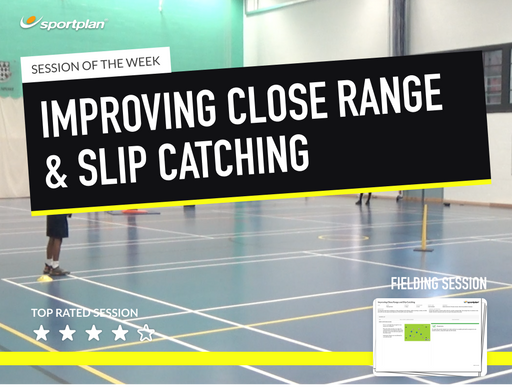
Make sure your players don't slip up by working on their quick reactions in this close-range fielding session.
When fielding in the slips one of the first things to address is safety! Everyone loves to take wickets but before you can do so you need to know how to take care of yourself in this dangerous position. To keep your players safe this session not only gives your players plenty of slip catching practice in a structured environment, but it also covers important key points such as:
Try this session today and teach your players to be safe, keep a cool head and improve their catching percentage!
Successful Slip Fielding:
The trick to being a successful slip fielder is to ride the ball. The hands mustn't reach out for the ball as it comes towards you, that would put you on a collision course with the ball which is often what happens when a player drops a catch. With soft hands you take the sting out of the catch.
Graham Gooch

The new Laws of Cricket are in force from 1 October 2026 and the 'bunny hop' boundary catch is gone. Here is how to coach your fielders to catch on the rope this winter.

The covers are on and the last tea has been served. What your club does between now and April decides how the next season starts. Here is a simple, honest winter plan for players, bowlers and juniors.
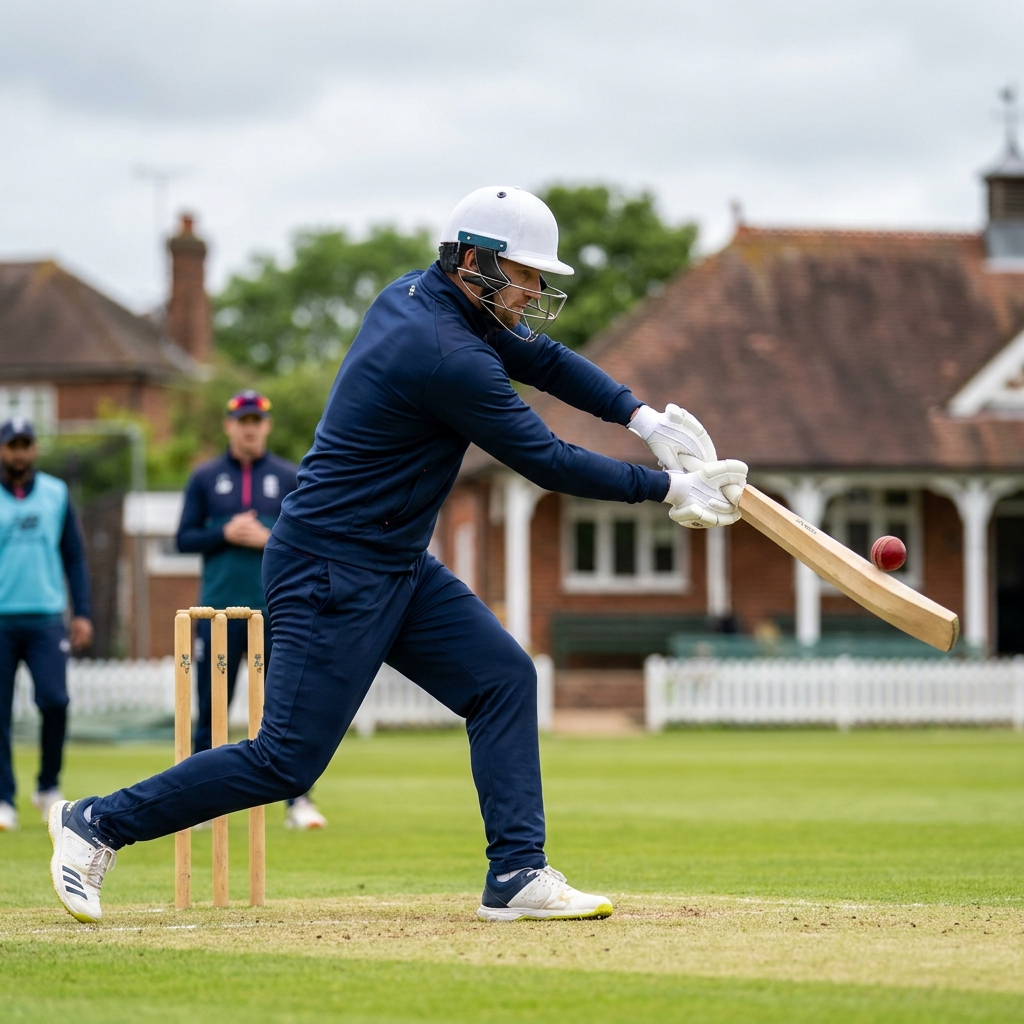
August is when seasons are decided, and most club games are lost chasing rather than setting. Give your batters a framework for the chase and you win the close ones.


Register for FREE and get coaching tips, top drills, session and more every week!