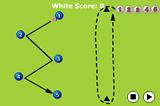
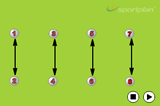
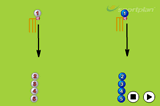
This drill is designed to test your players reactions and is also a chance for them to work on their catching technique too.
Get into groups of 4/5
The batter / coach hits the ball and the first player takes the catch, and ducks down, still holding ball.
The second player must now catch the ball from the batter and then duck, facing chest down on the turf.
Player 3 does the same and so on...
Players must focus on getting head position correct (still as possible) and encourage players not to lean backwards when catching.
Players can experiment with reverse hands too (concentrate on either fingers pointing downwards or in reverse position.)
Progression:
Can be done with cricket balls for more advanced players, though tennis balls are recommended.
Can be done with one handed catching.
Can be done with players starting from floor and having to spring up to take catch.
Can be done with players having to throw ball back to coach.
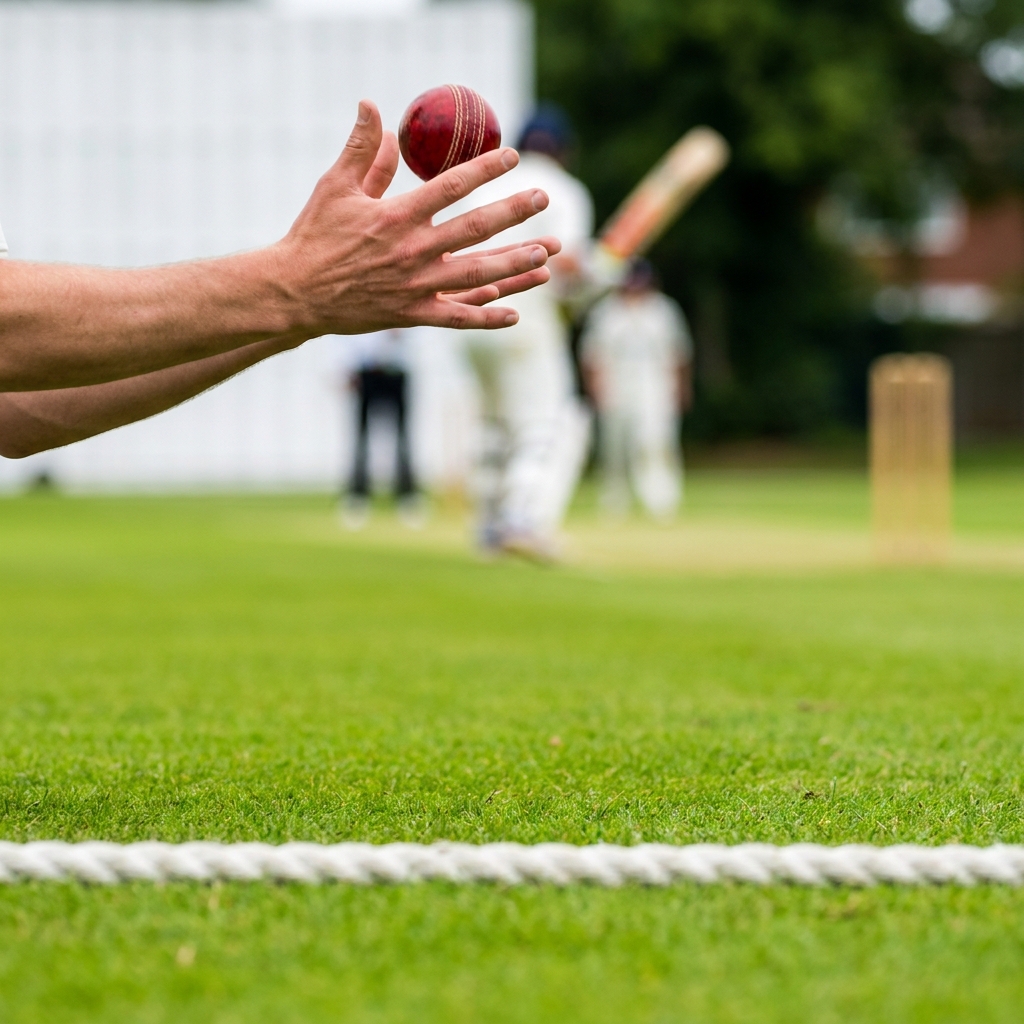
The new Laws of Cricket are in force from 1 October 2026 and the 'bunny hop' boundary catch is gone. Here is how to coach your fielders to catch on the rope this winter.

The covers are on and the last tea has been served. What your club does between now and April decides how the next season starts. Here is a simple, honest winter plan for players, bowlers and juniors.
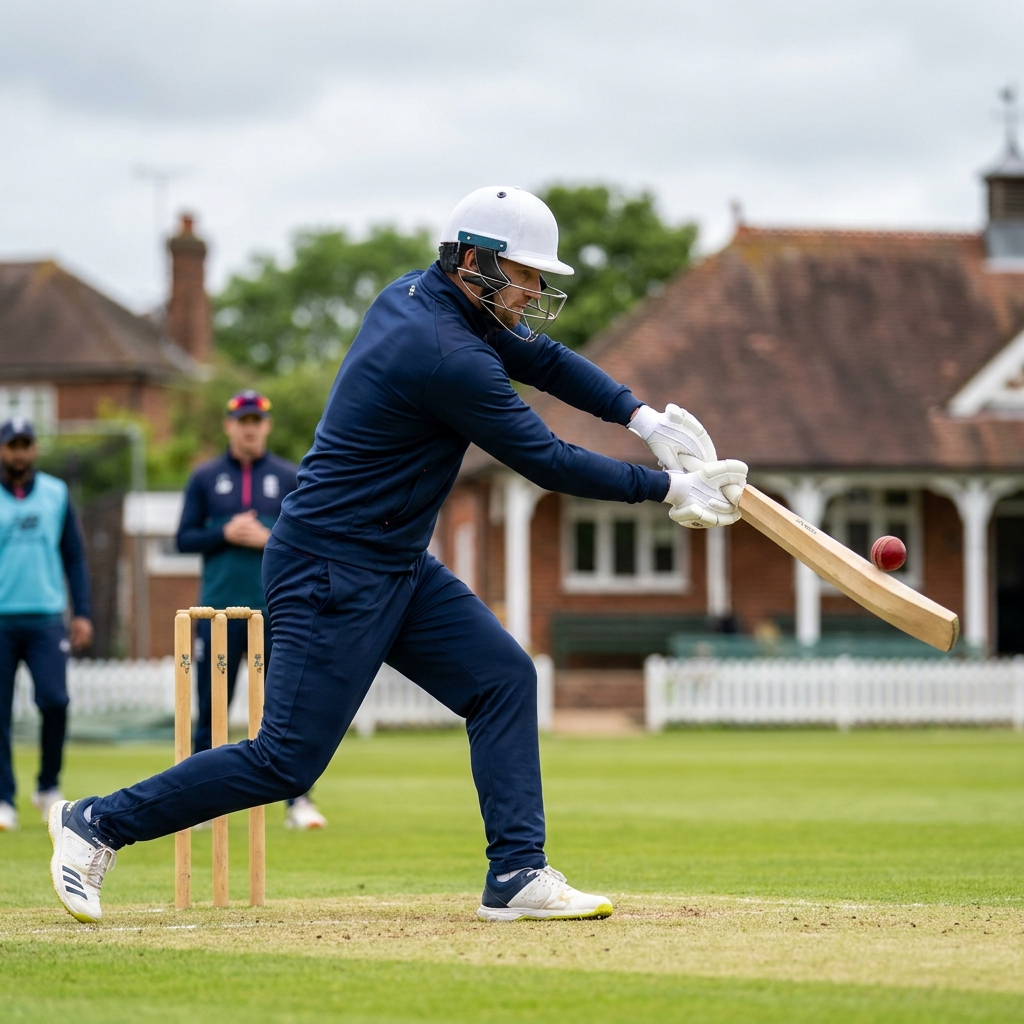
August is when seasons are decided, and most club games are lost chasing rather than setting. Give your batters a framework for the chase and you win the close ones.


Register for FREE and get coaching tips, top drills, session and more every week!