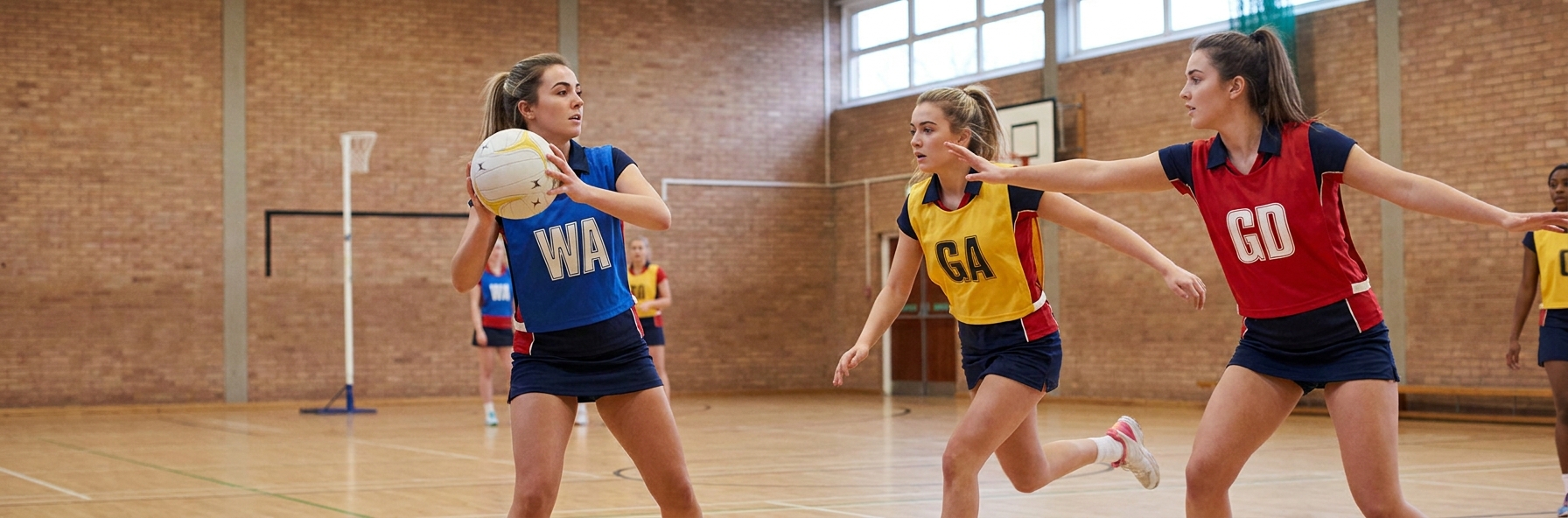
A few weeks into the winter league season, most coaches see the same picture. Your attackers work hard, but the defender is always there first. The thrower holds the ball, looks for an option and either forces a pass into traffic or gets called for holding too long.
The answer is rarely more running. It is smarter running. Getting free in netball is about deception, a change of pace and arriving in space at exactly the moment the thrower can use you. If you watched the elite netball at the Commonwealth Games in Glasgow this summer, you will have seen how little time top attackers spend running flat out, and how much they spend setting the defender up.
Why Attackers Stay Marked
There are three common causes. Players run in one straight line at one speed, which a defender can simply follow. They make their move too early, so they are free when the thrower is not ready and marked again by the time they are. And they drift away from the space they want, so they have to cover too much ground to get back to it.
Underneath all three is a lack of intention. A good dodge starts with the attacker knowing where they want to receive, then working the defender away from that spot before driving into it.
A Simple Framework for Getting Free
Step One: Pick your space. Before you move, decide where you want the ball. It might be the circle edge, the centre third line or a gap behind the defender. If you do not know where you are going, neither will the thrower.
Step Two: Sell the fake. Take the defender away from that space with a convincing first move. A step or two in the wrong direction, with your head, shoulders and eyes going the same way, is far more believable than a twitch of the hips.
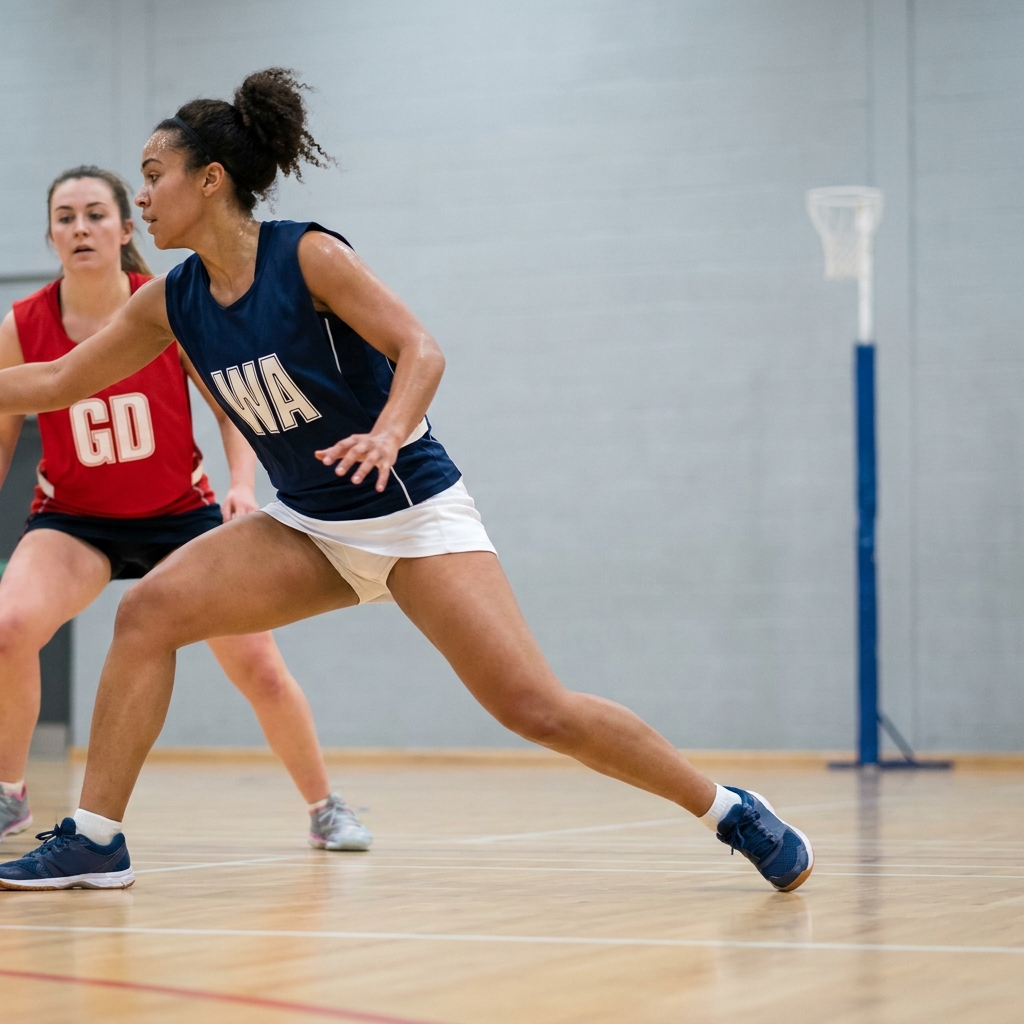
Step Three: Change direction sharply. Plant on the outside foot, drop your hips and push off hard into the space you picked. The single dodge, double dodge and roll are all variations on this same idea.
Step Four: Change pace. Explode out of the dodge for the first two or three strides. That burst is what creates the gap, not your top speed over ten metres.
Step Five: Time it with the thrower. Watch the ball carrier. Start your dodge as they land and look up, so you arrive in space just as they are ready to release. Free too early is the same as not free at all.
How to Train It
Warm-up: mirror games in pairs inside a small grid. One player leads, the other tries to stay touching distance away. Swap often. This builds the footwork and the awareness of how defenders react.
Technical: single dodge, double dodge and roll dodge against a passive defender, receiving from a feeder. Focus on a low body position and a sharp push-off.
Decision-making: make the defender active and add a rule that the feeder can only pass when they see the attacker change direction. This forces attackers to time their move rather than just run.
Game: 3v3 keep-ball in a third of the court. Award a bonus point for any pass received within two strides of a clear dodge.
Key Coaching Points
- Decide where you want the ball before you move.
- Make the fake believable with your head, shoulders and eyes, not just your feet.
- Stay low through the change of direction and push off the outside foot.
- Explode for the first two or three strides, then hold out a strong target.
- Watch the thrower and time the dodge so you arrive as they are ready.
- If the first dodge does not work, reset and go again rather than drifting.
Recommended Drills



Frequently Asked Questions
How do you get free from a defender in netball?
Pick the space you want, take the defender away from it with a convincing fake, then change direction sharply and accelerate into it. Time your move with the thrower so you are free at the moment they are ready to pass.
What is the difference between a single dodge and a double dodge?
A single dodge is one fake followed by a drive the other way. A double dodge adds a second fake, so you go one way, the other way, then back again. The double dodge is useful against a defender who has learned to read your first move.
What age should children learn to dodge?
Young players can start with simple tag and mirror games long before they learn formal dodges. Once they are comfortable with landing and pivoting, introduce the single dodge with a feeder, then add a passive defender before building up to live one-on-one work.
 sportplan_netball