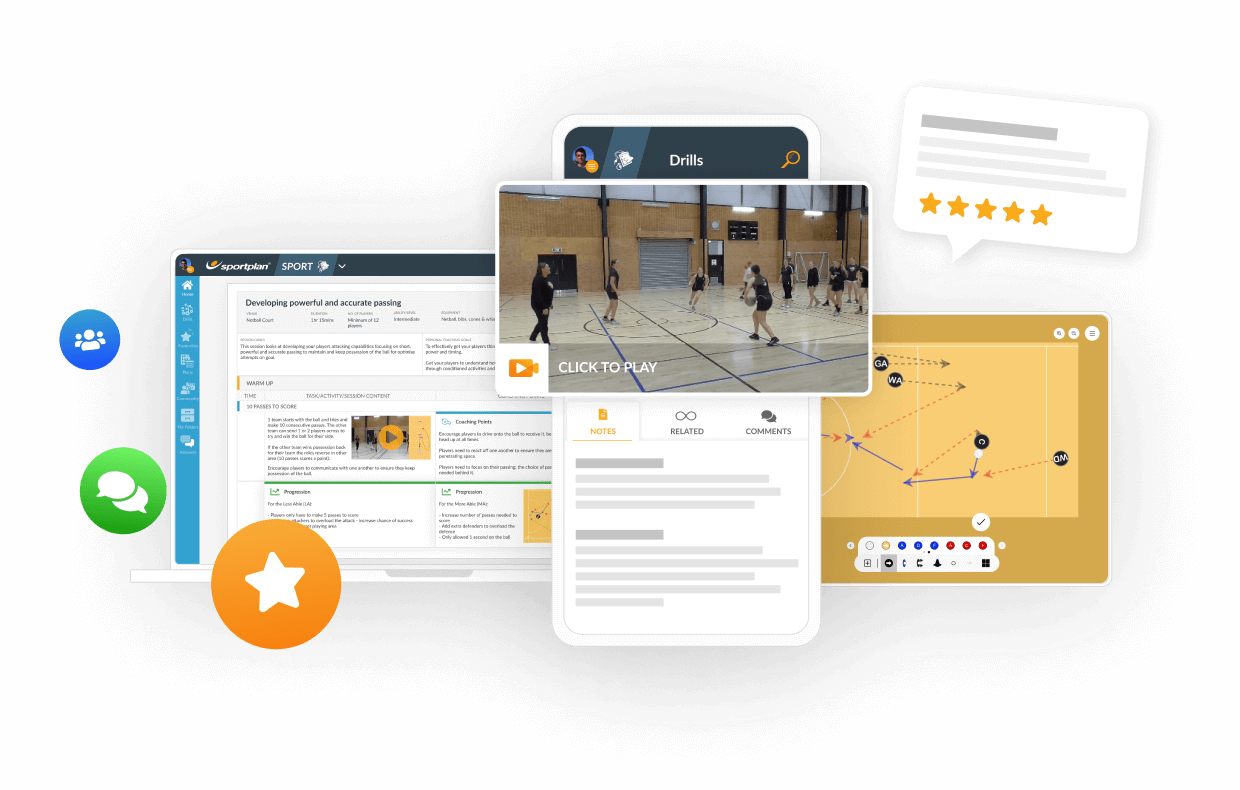
Reaction times in netball terms can mean the difference between being left standing or swiping the ball from your unsuspecting opposition.
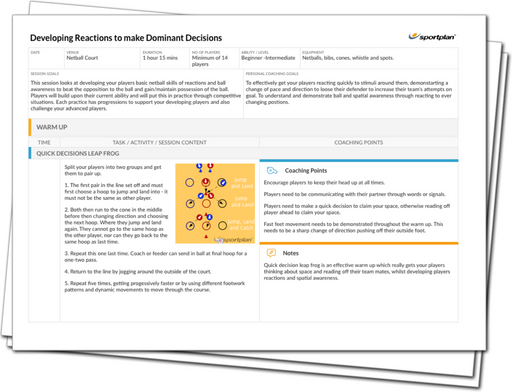
In order to help you improve your players’ reaction times we’ve created this session to test your players and keep them thinking quickly on their feet.
The psychological definition of reaction time is the elapsed period between the presentation of a sensory stimulus (e.g. the ball) and the subsequent behavioural response (e.g. a quick and incisive interception). With this session we aim to help you to get this time down to a minimum, resulting in speedier decision making when your players are out on the court.
Specifically we look at getting your players to think fast, move quickly and be decisive. Starting with a series of drills with your players working in pairs before culminating in a conditioned game, you will really be able to see the results of this training session in action.
Use this training plan today and speed up your players’ thinking time. Don’t dawdle, drive onto the ball.
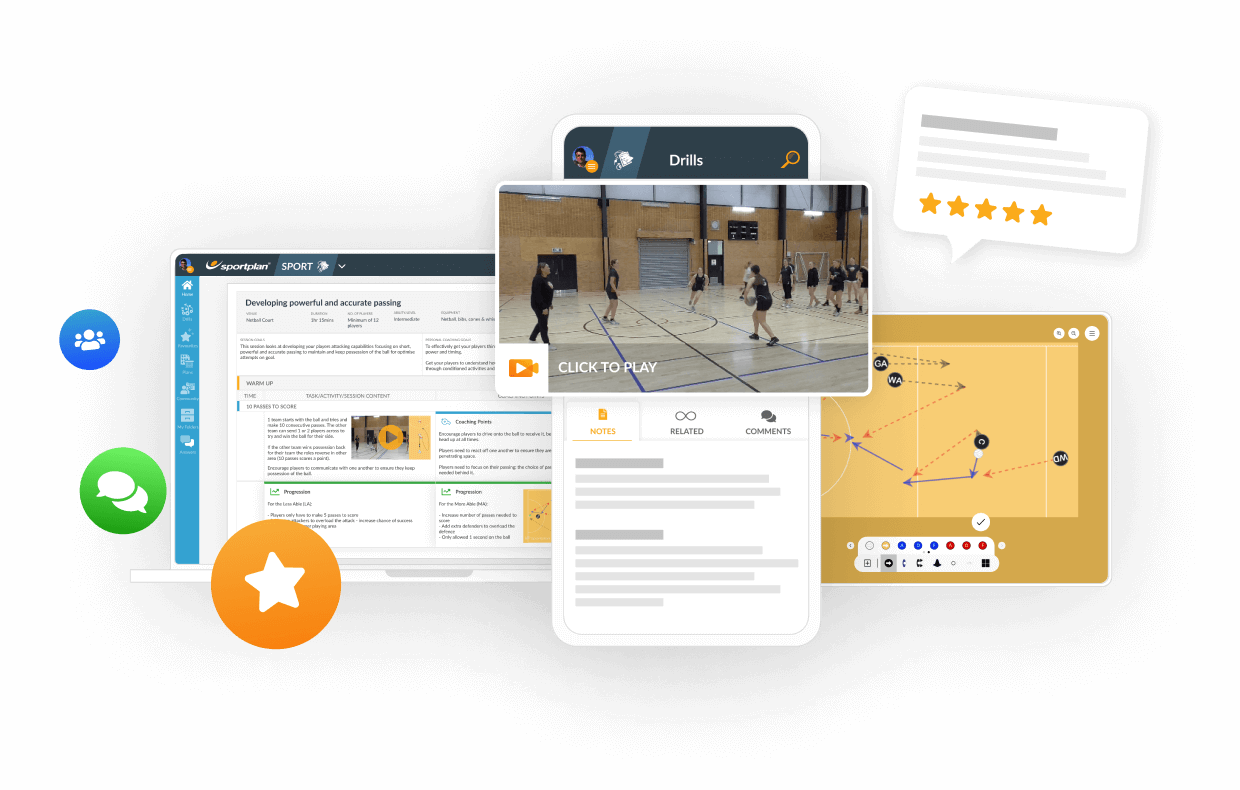
in more ways than one
 sportplan_netball


in more ways than one
sportplan_netball
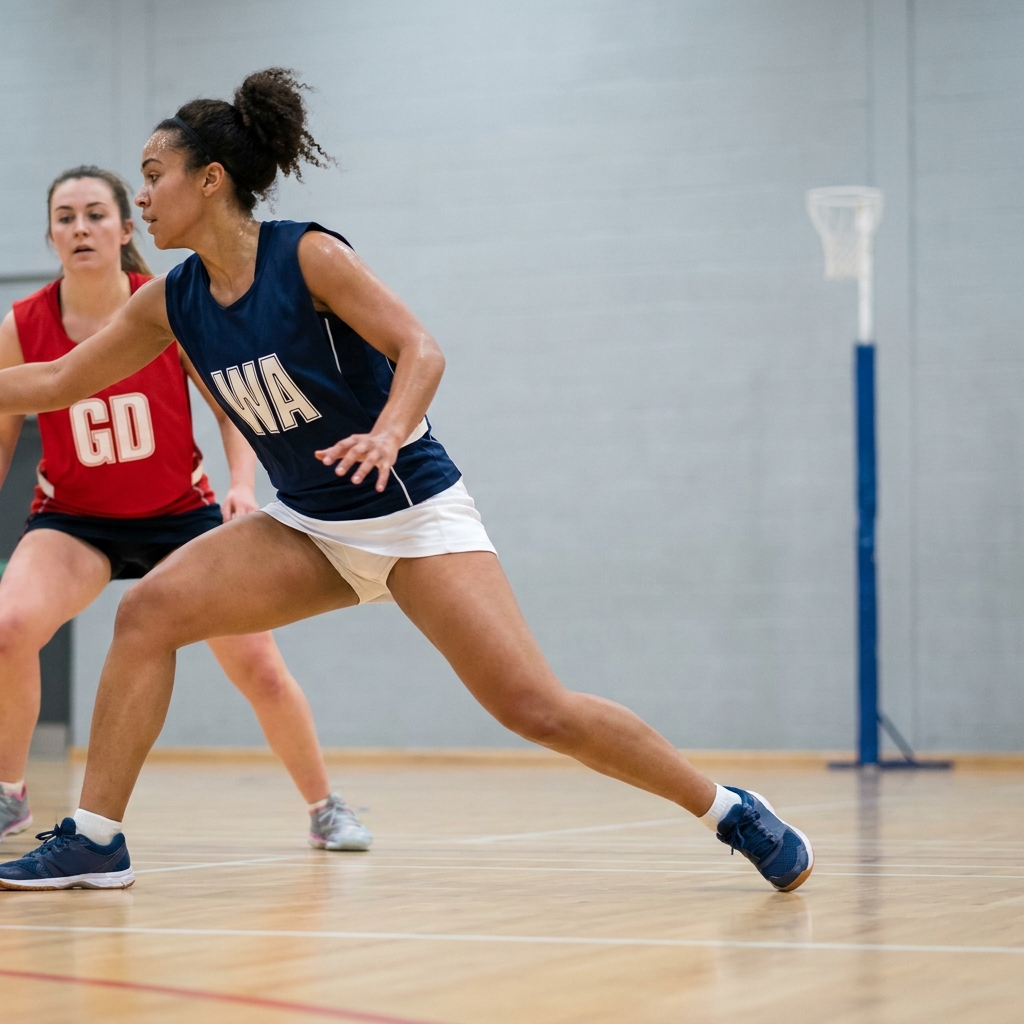
Tight markers win when attackers run in straight lines. Teach your players to dodge, change pace and time their drive so they get free when the ball is ready.
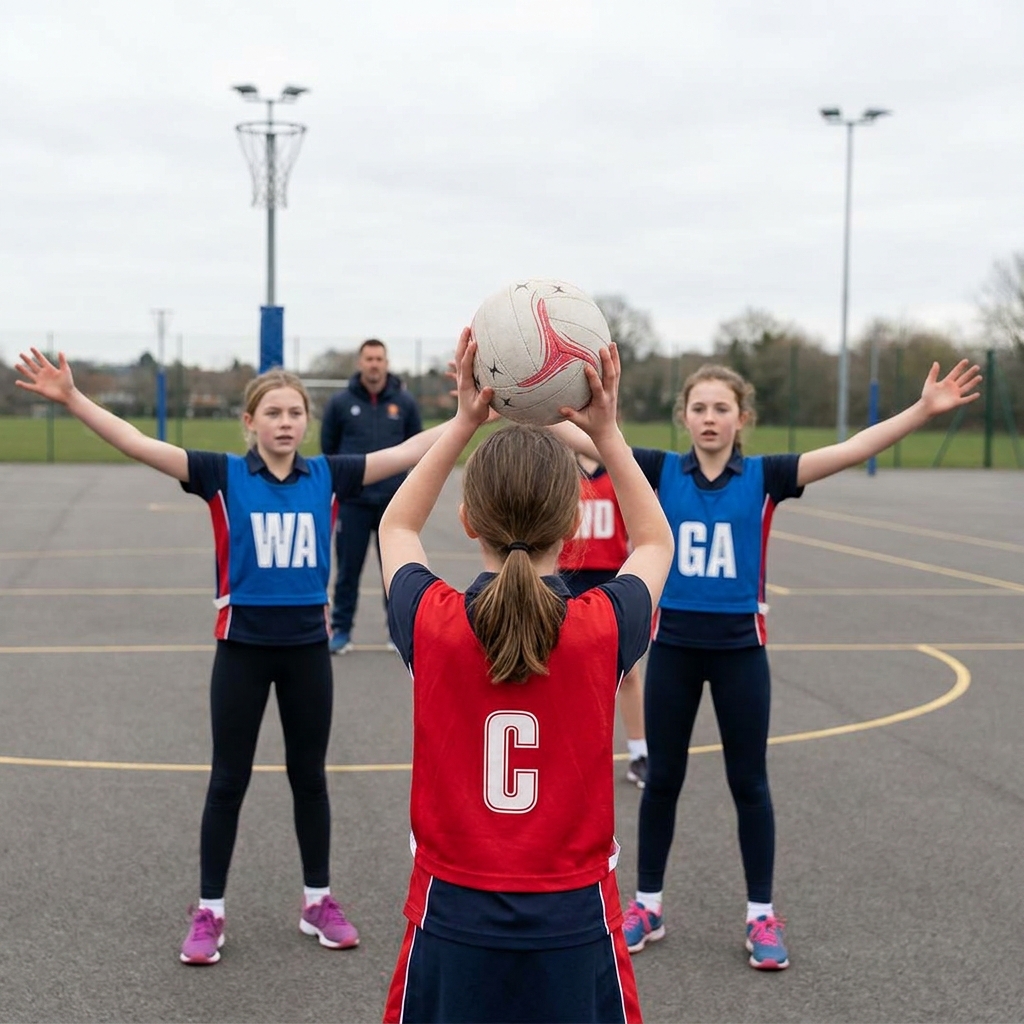
When everyone chases the ball, nobody is free. Teach your team to spread out, offer two options and clear space so the ball moves cleanly down court.
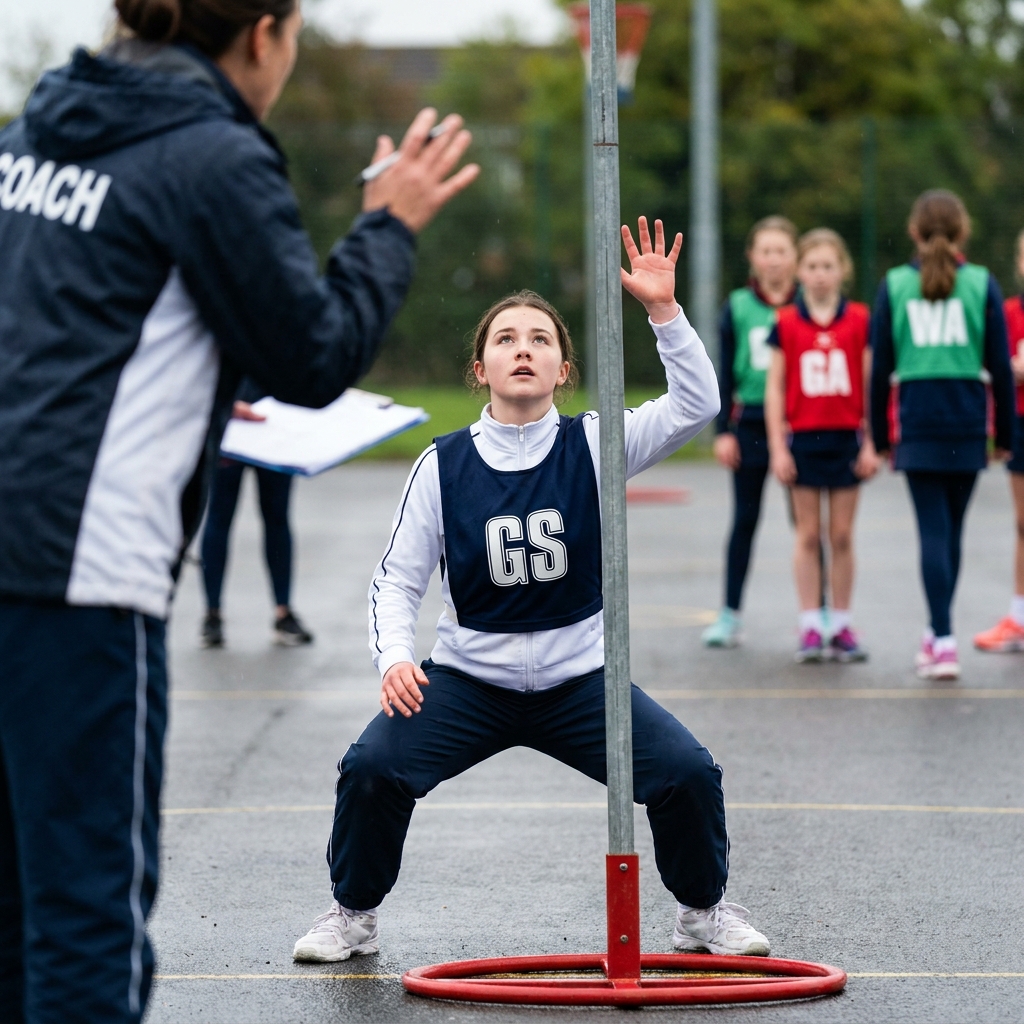
A shooter who can hold a strong position under the post is worth more than one who runs all over the circle. Here is how to coach body shape, a legal hold and a well-timed release, and how feeders make the most of it.