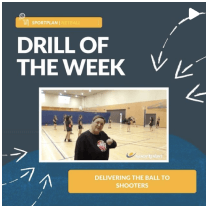
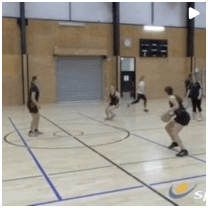
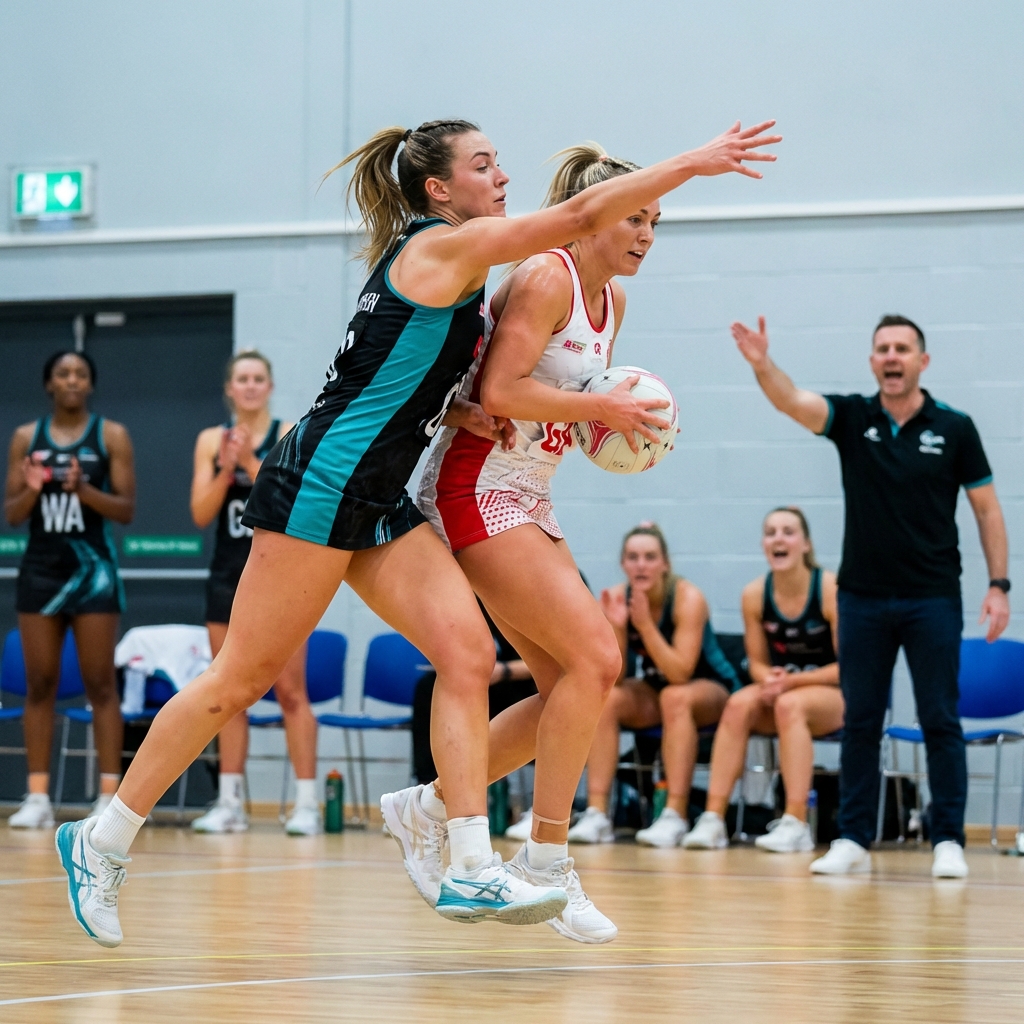
Working in a small space, first practise the body angles without a ball. Drill 1 - Straight Drive A driving hard up in a sraight line, then pulling back in straight line. D to angle body so that they always see A and F. Drill 2 - Angled Drive D driving at angle with the A but not overstepping so that when A runs back, the D can force them back in straight line and not allow the cut back to the centre channel A should be on the D's back. Do both sides for both drills. Start slower then intensify. Then add in a ball! When you add in ball, key will be accepting that the A recieving the ball high (close to F) is fine, but preventing that ground-gaining back pass must be prevented and that's the big victory! PROGRESSION Still working in a small space, work solidly to prevent the back pass. A can move in any direction, but D trying to dictate the space. Work for about 25 seconds, then swap or reset. It's high intensity! How many lifted back passes can the D prevent or intecept?
Feet under body Angled body Hips turning so always in direction of travel Eyes on ball and attacker at all times! Get the attacker on your back! What is a success? You can't get every ball, so accept that forcing a short ball and preventing a long ball is a victory!
This practice has no coaching points
This practice has no progressions
There are currently no more drills being shared in this category
in more ways than one
 sportplan_netball
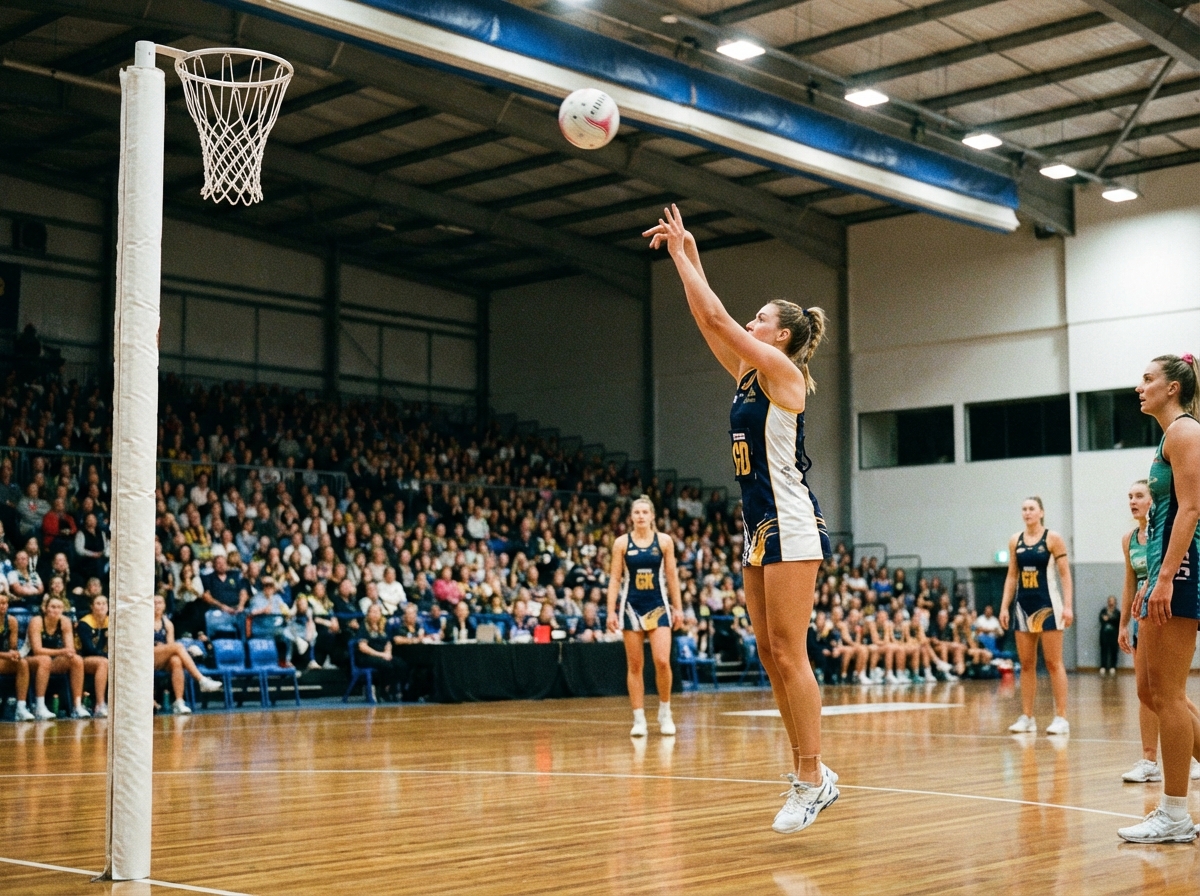
The early 'shoot from anywhere' era is over. Smart teams now use data-driven decision models to decide when the two-pointer is worth it.
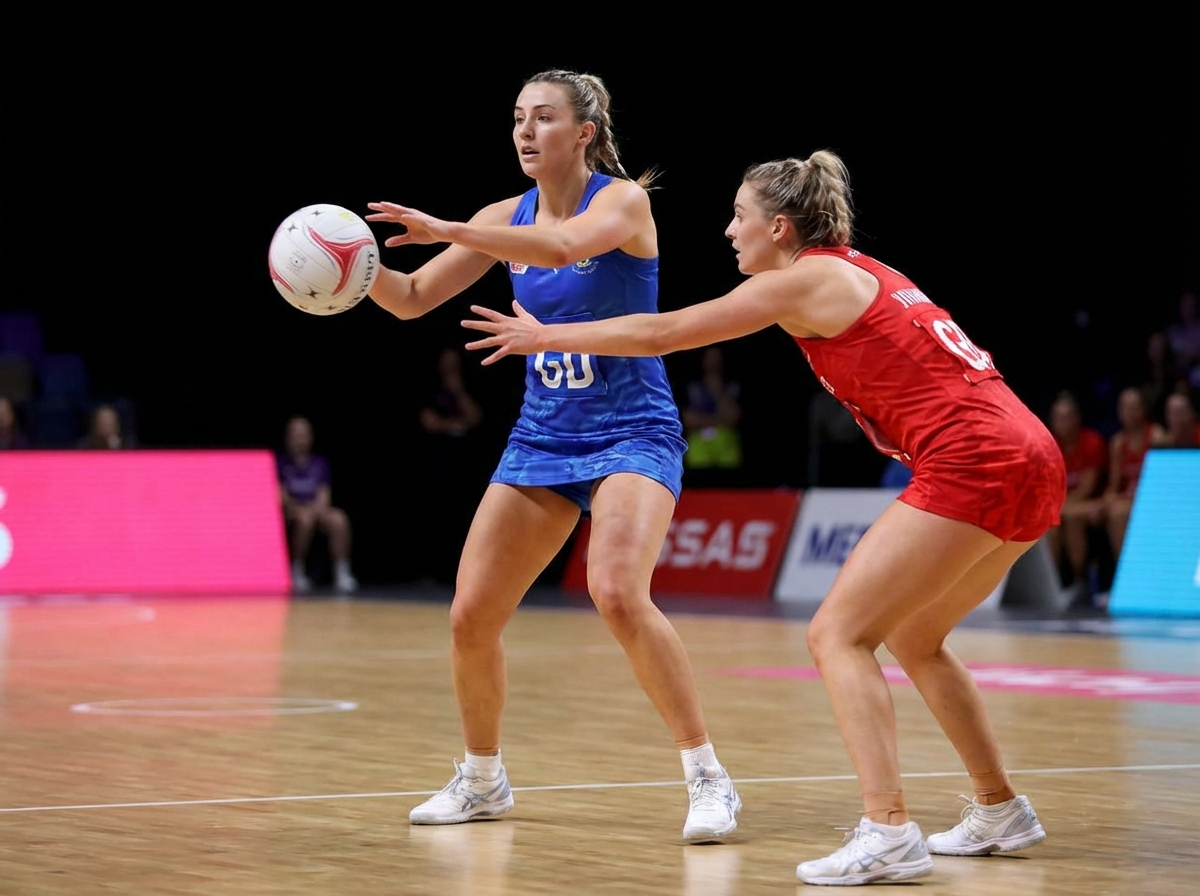
The short pass is being penalised more consistently in 2026. Here's how to train proper passing technique and eliminate hand-offs under pressure.
No more 50/50 toss-ups. When simultaneous infringements occur, possession now goes to the team that last had the ball. Here's what it means for your coaching.