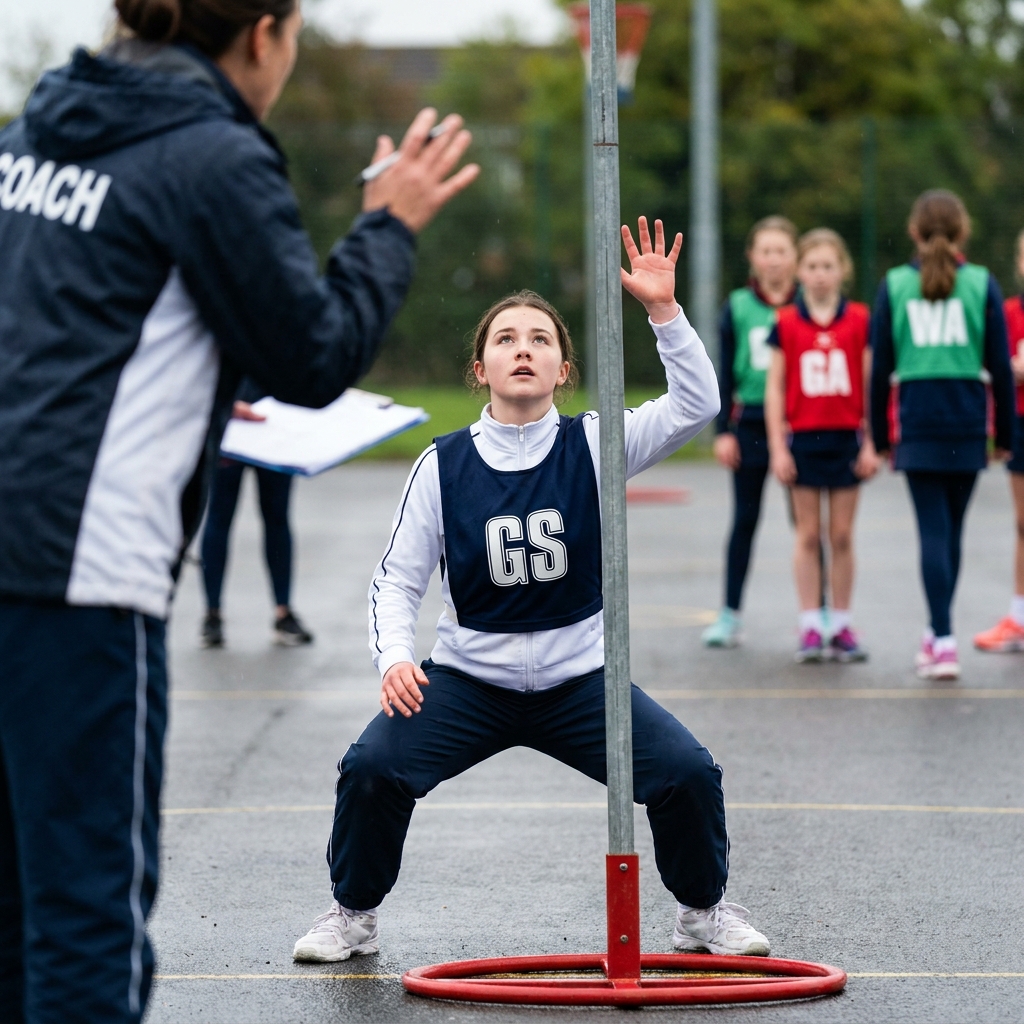
How do i teach U/11 GS how to pass out of the goal circle to reposition herself into a better position to shoot.
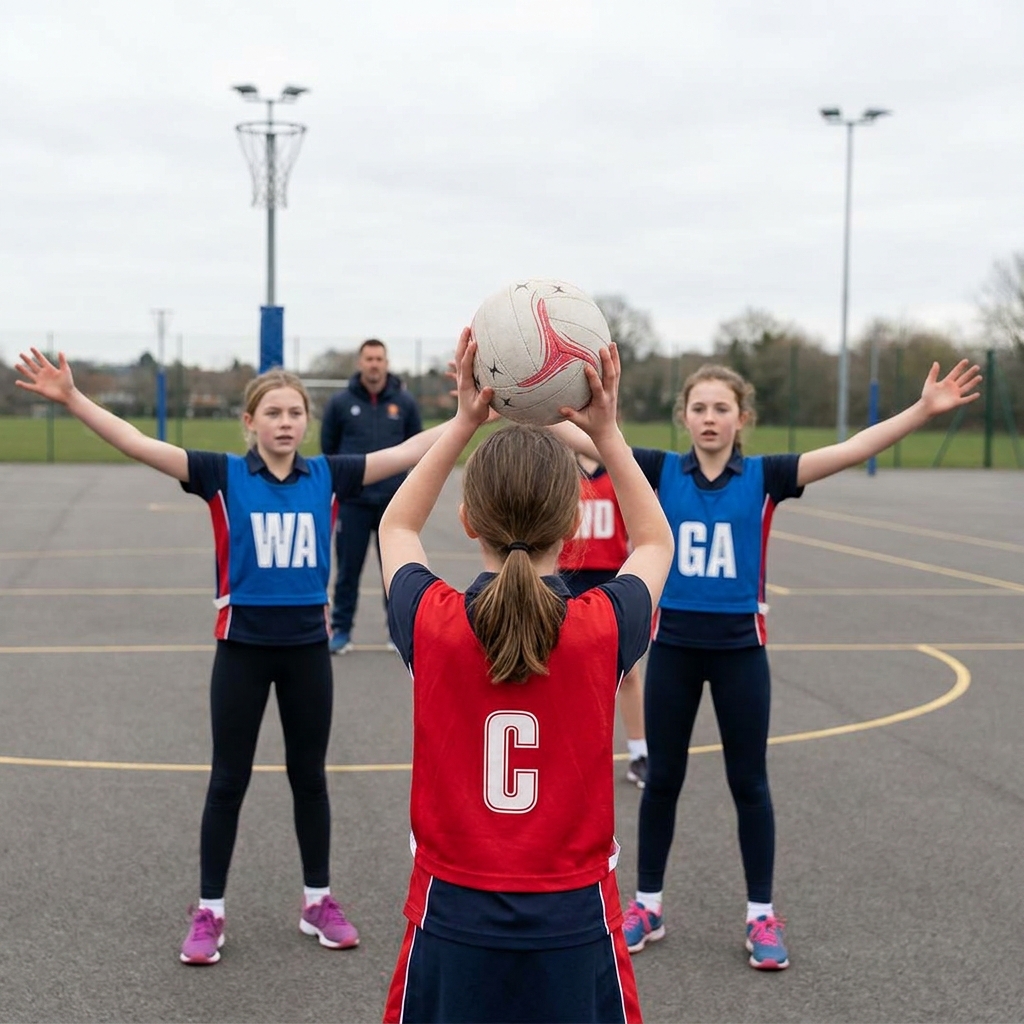
I have an U/11 GS who is passing out of the circle to C or WA to get into a better position to shoot, but in doing so, puts herself behind her opponent, blocking herself from taking the pass back. Can she pass out, then "reverse" herself back to take the pass so she doesn't end up behind her opponent, or is she likely to be penalized for potentially stepping on her opponent? Any ideas/techniques anyone can offer will be greatly appreciated. I am new to the coaching scene. Thanks

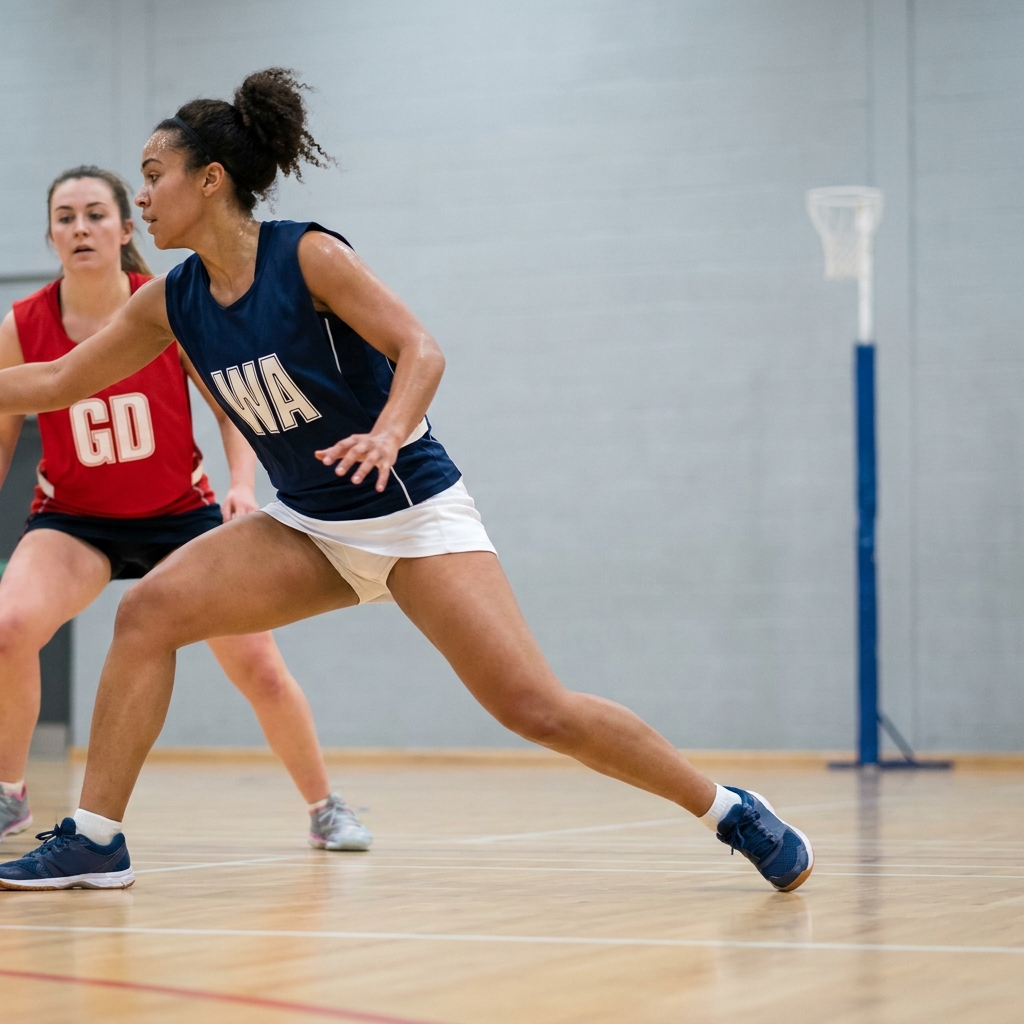
Suggest%3Awhen she passed the ball out to the WA or C that she moved her feet closer toward the goal with actually moving her body. If she has them in a left/right set up (left foot closer to the goal post and right foot in front toward the C or WA). She catches the ball, passes out to the C or WA at the same time adjusts her foot position so that the left foot is now closer to the goal post and the right foot moves back accordingly with her body position. This has to be done slowly at first until she understands the hang of moving just her feet rather than her whole body. As you have suggested in your question about reversing up, that is basically what I am suggesting, so yes she can as the player behind her has to move the 3 feet required before defending. Hope this helps.
Thanks Lynlea, I'll give it a go. Thanks for your help.
Karin, I hope this made some sense. It is hard to explain in words when you know in your head what you are trying to say. Pictures would also help here. I do this often myself as a player but also coach to others. Good luck.
 sportplan_netball