Communication on the court
My team has trouble communicating during games, but not in training. How can I encourage and improve their communication on the court?
Asked using Sportplan Mobile App


Hi Grace,
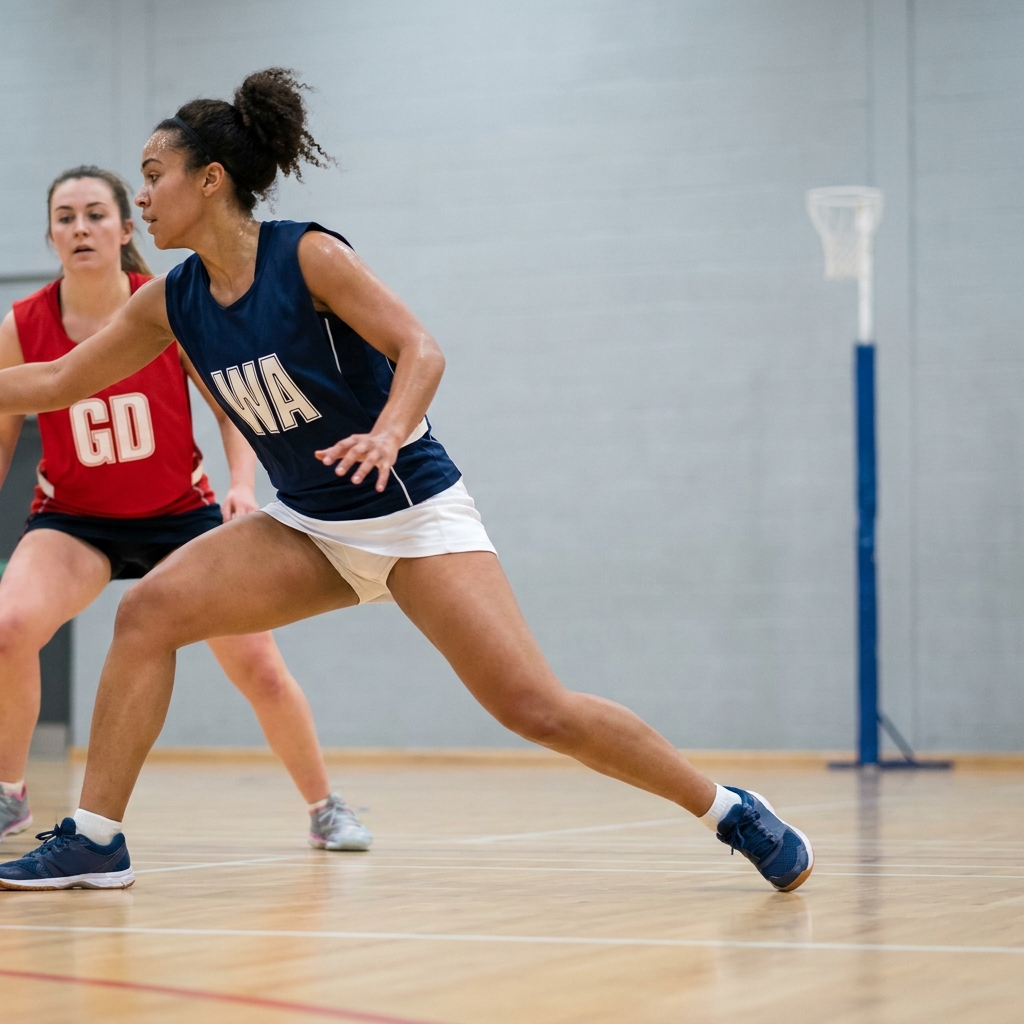
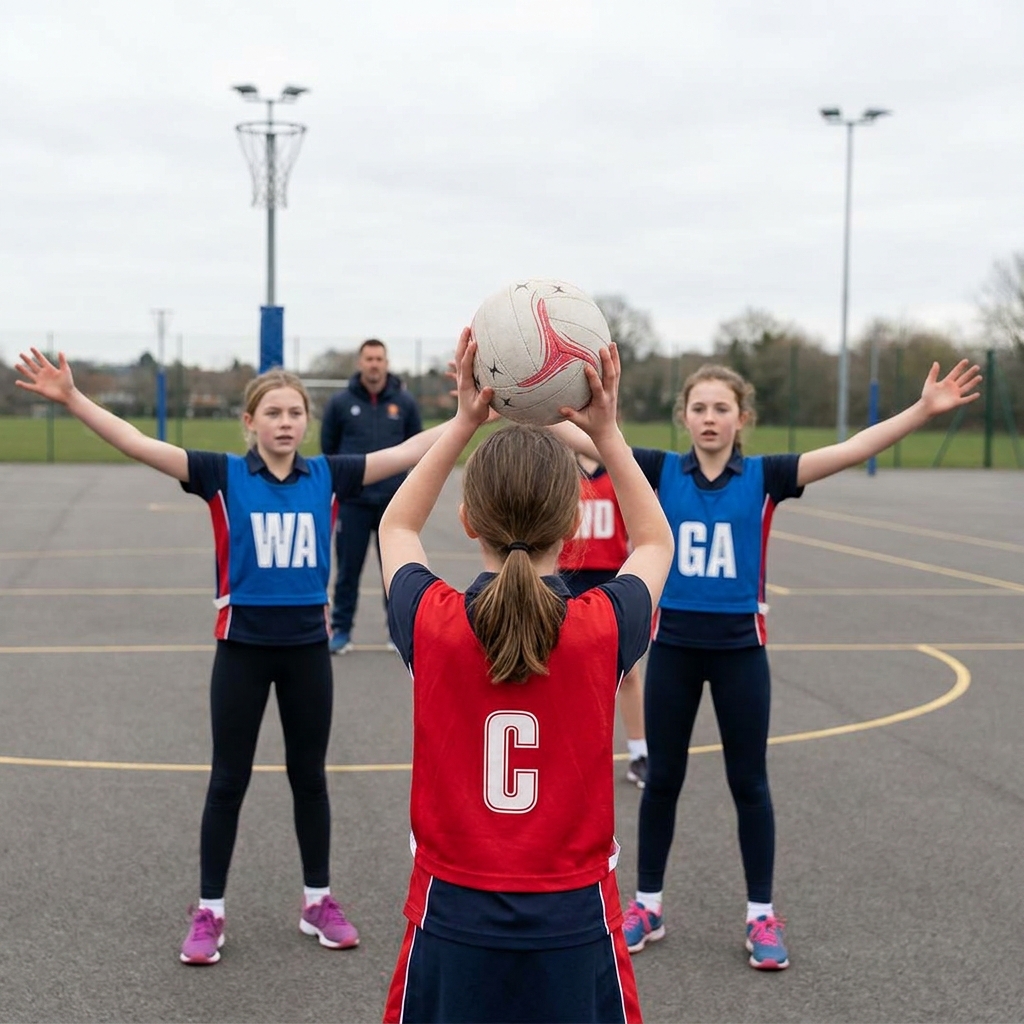
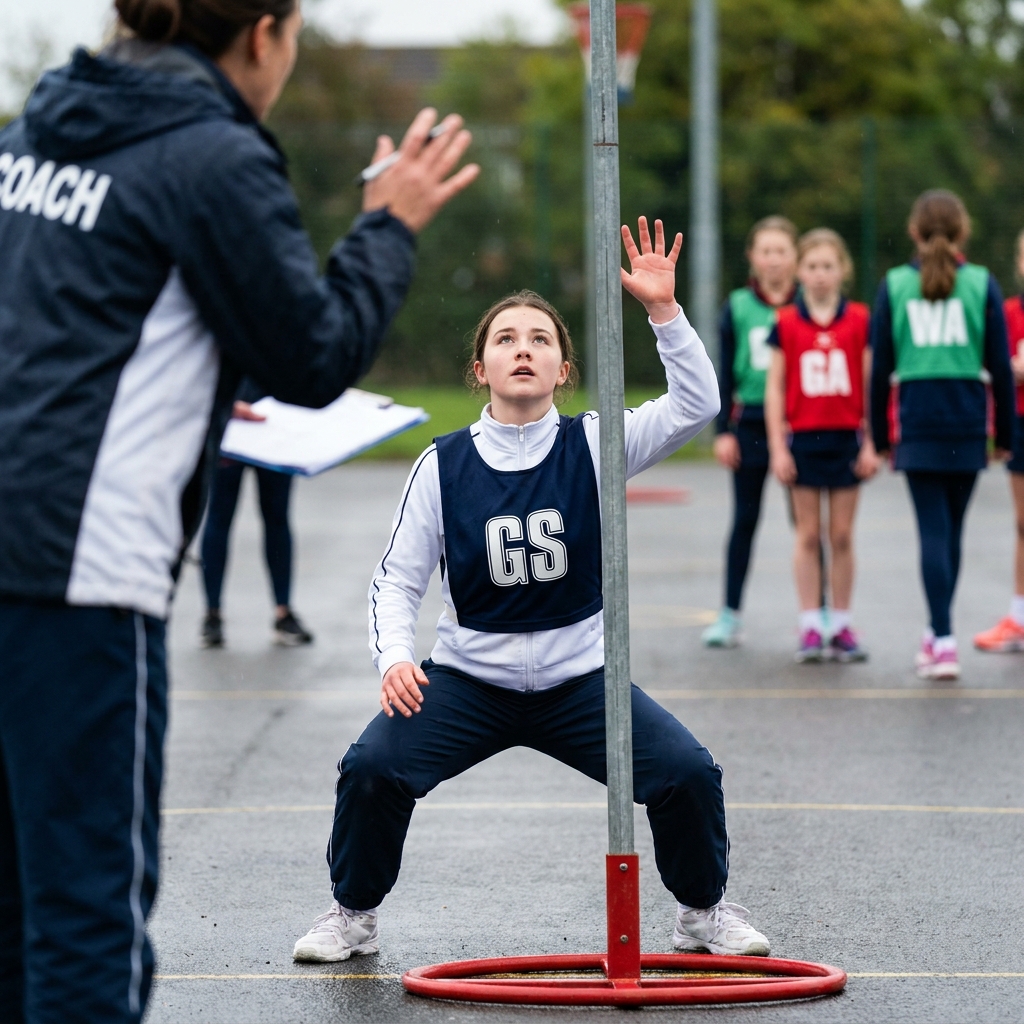
It is great your team are communicating during training and this is the first step to getting them communicating on court. To be honest, when players get on court they can often get into the zone and think about their role and their job only. To be able to communicate effectively, your players need to consider not only their own job but working as a unit e.g. defensive or attacking unit. Your GD and GK should have strong communication in the circle - switching players to cover the ground most effectively. Your centre court players should communicate and reposition around the circle edge, and your shooter should read off each other to utilise the circle well.
You need to allow your players to practice their unit work in training, which will translate into the game. Here are a couple of drills I think might help:
- Ball and Hole
- 3 Across - your players should work together to keep the opposition high up court and to slow the ball down
- Engaging the Front Defender
As a coach just continue to remind your players constantly on court to communicate, as they are likely to just go into their own zones. If you keep reminding them and praising them when they do communicate, you will begin to see a real change.
Hope this helps.
Hi Grace,
It is great your team are communicating during training and this is the first step to getting them communicating on court. To be honest, when players get on court they can often get into the zone and think about their role and their job only. To be able to communicate effectively, your players need to consider not only their own job but working as a unit e.g. defensive or attacking unit. Your GD and GK should have strong communication in the circle - switching players to cover the ground most effectively. Your centre court players should communicate and reposition around the circle edge, and your shooter should read off each other to utilise the circle well.
You need to allow your players to practice their unit work in training, which will translate into the game. Here are a couple of drills I think might help:
- Ball and Hole
- 3 Across - your players should work together to keep the opposition high up court and to slow the ball down
- Engaging the Front Defender
As a coach just continue to remind your players constantly on court to communicate, as they are likely to just go into their own zones. If you keep reminding them and praising them when they do communicate, you will begin to see a real change.
Hope this helps.
 sportplan_netball