Catching in netball
hello are there any types of catches in netball?If so please list them and fully explain.. It's for my P.E project

Hi Lerato,
In netball, catching is a fundamental skill, and there are specific rules governing how catches are made. Here are some key types of catches in netball along with explanations:
One-Handed Catch:
A player can catch the ball with one hand as long as the catch is clean, and the ball is controlled without bobbling or spinning. It is essential to have full control of the ball to avoid turnovers.
Two-Handed Catch:
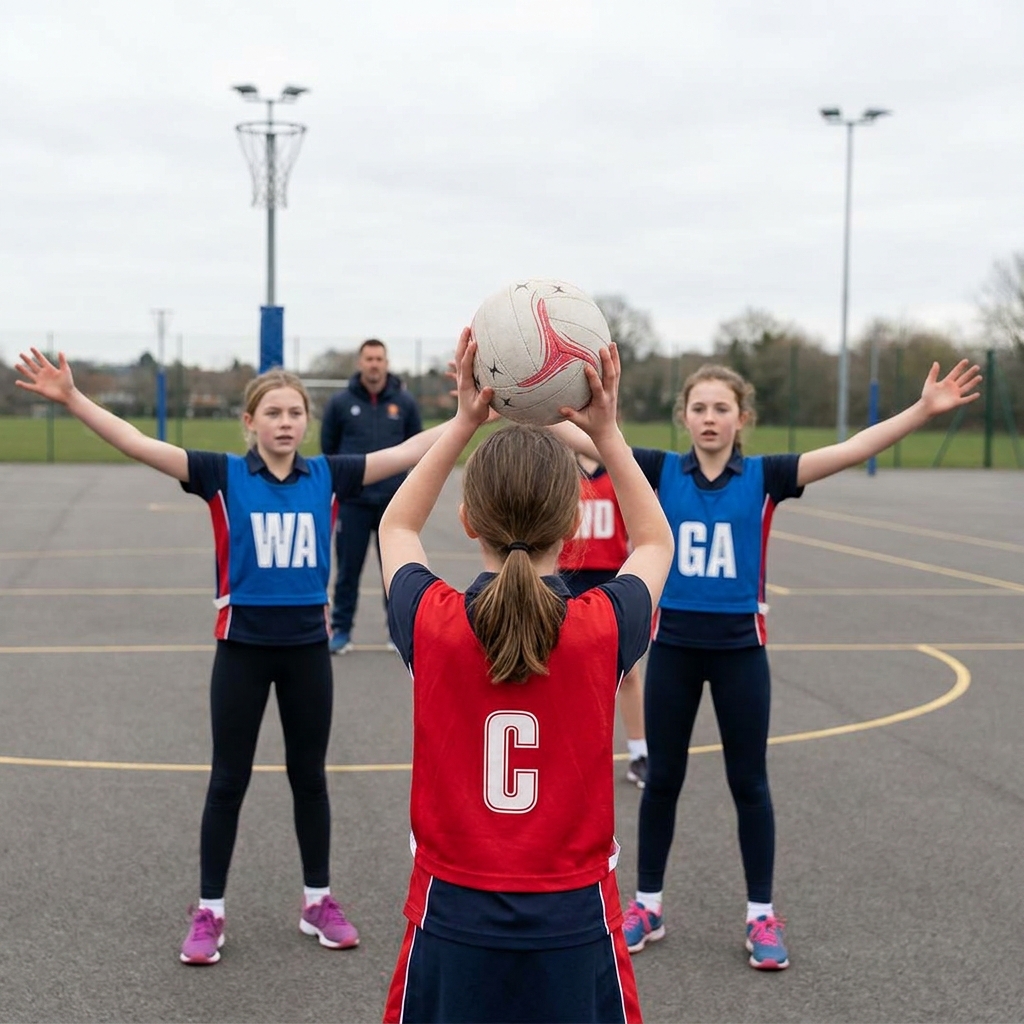
This is a common and secure method of catching in netball. A player uses both hands to catch the ball, ensuring a firmer grip and better control. Two-handed catches are often employed when the ball is coming at a high speed or from an awkward angle.
Rebound Catch:
A rebound catch involves catching the ball after it has rebounded off the goalpost or another player. It requires quick reflexes and good positioning to anticipate the ball's trajectory.
Interception:
An interception occurs when a player catches a pass intended for an opponent. This skill is crucial in disrupting the opposing team's attacking plays. It involves reading the game, anticipating passes, and making a timely move to intercept the ball.
Hope this helps.
Archie

 sportplan_netball