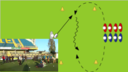
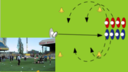
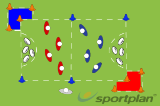
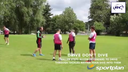
10m wide channel, 2 attackers start with the ball while 2 defenders atart at the other end.
when instructed the attackers attempt to score agaisnt them.
Defenders must work together to try stop them.
Attackers can throw dummies and switches.
Do continuous reps.
Low centre of gravity
light on feet - small steps.
Boxer hands - in tight to body
Foot in close
Head up. eyes on waist to not fall fot footwork or dummies.
Apprach attacker from angle and try shepard them out the grid.
Head position - Cheek to cheek. (low hit)
Sink from hips not from back for low hit.
Impact of hit.
Leg Drive - focus on positive hit.
Ring of Steel - strong grip around attacker.
Land ontop of the tackle
Bounce back onto feet.
LOTS OF COMMUNICATION.

in more ways than one
 sportplan_netball
in more ways than one
sportplan_rugby
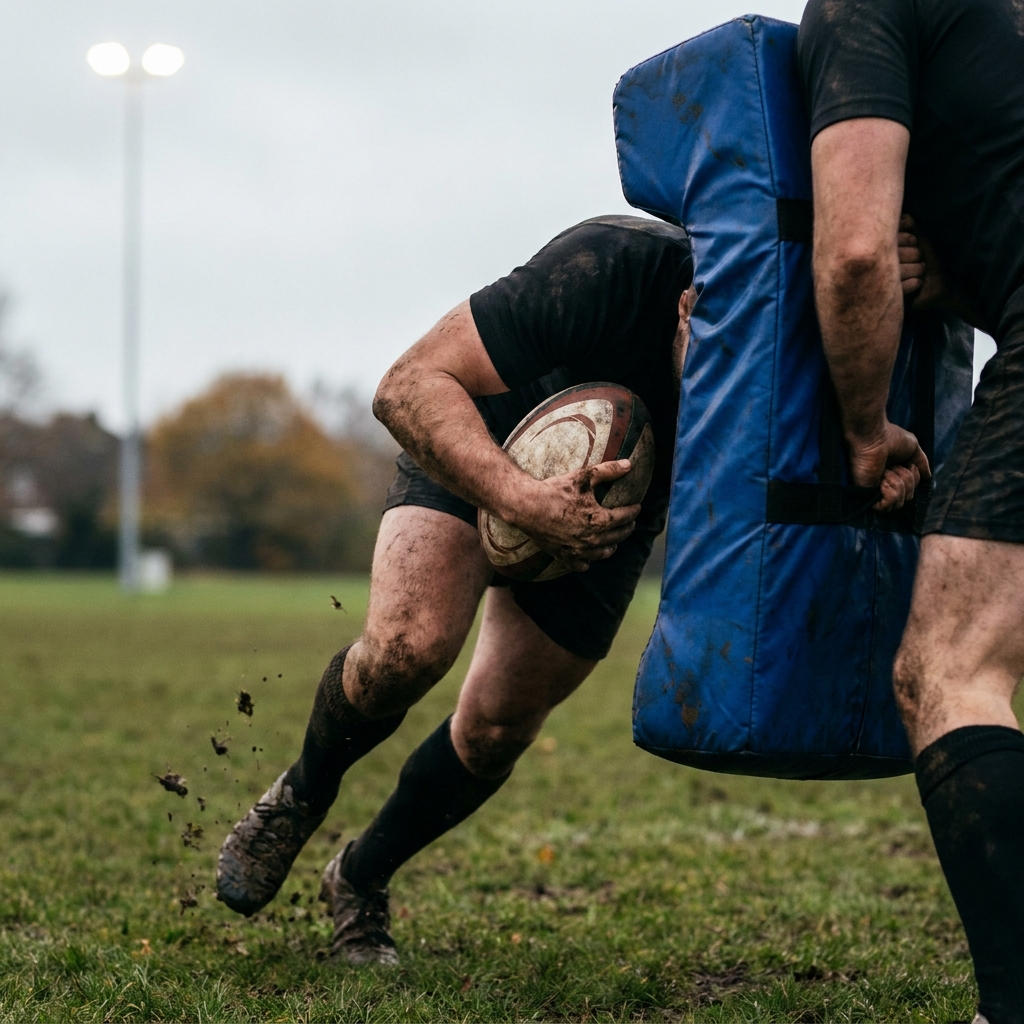
Tacklers are aiming lower, so carriers who dip late put heads at risk. Teach footwork, a strong early body height and leg drive to win the collision safely.
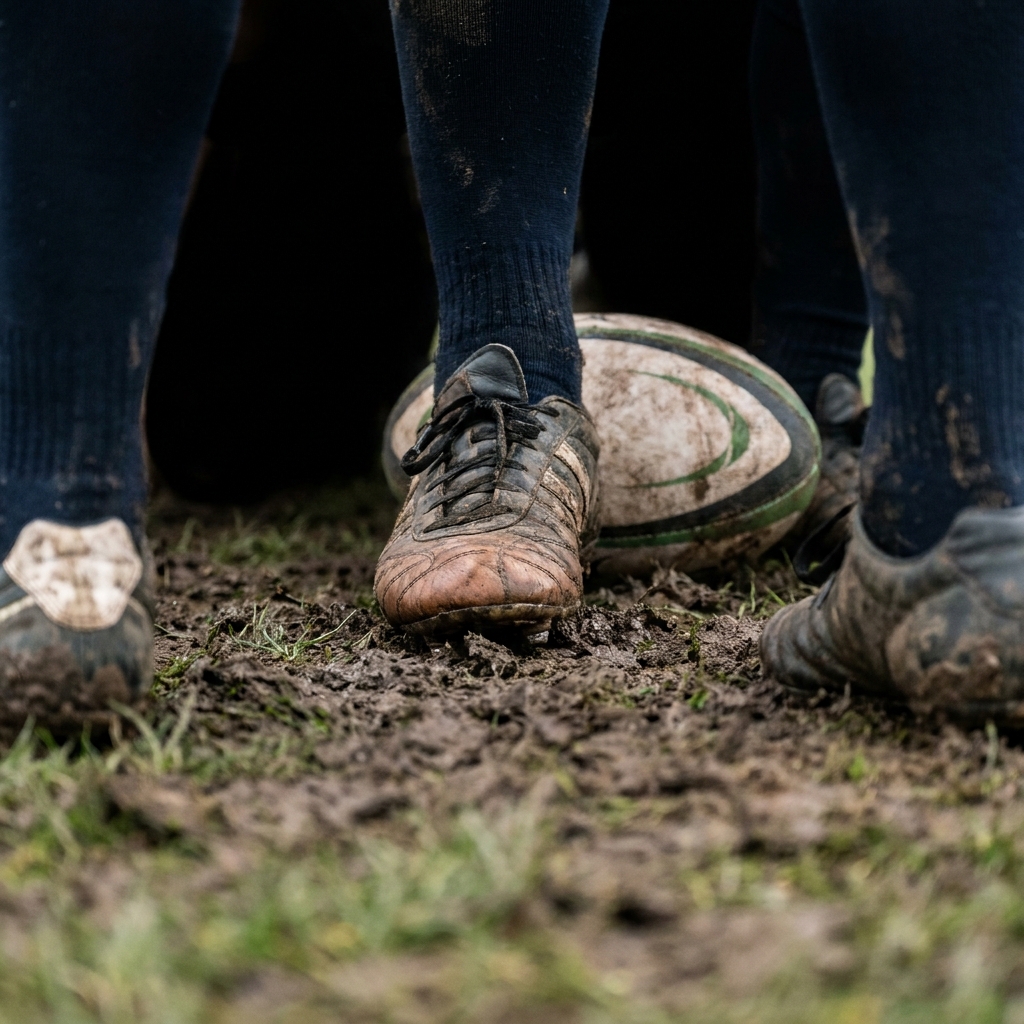
The hooker's brake foot moved from trial into full law in July 2026. Here is how to coach it so your front row stays stable, legal and safe.
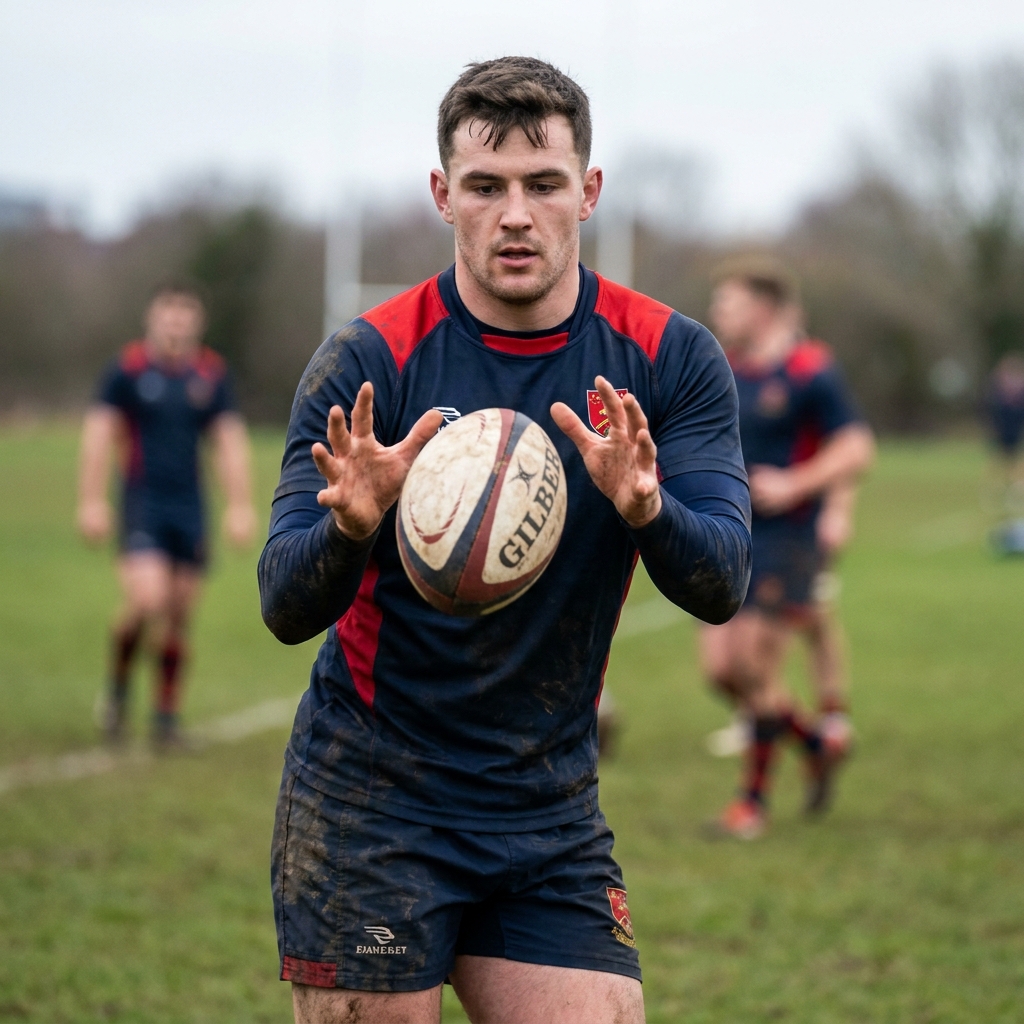
Your players can pass beautifully in a warm-up grid. Then a defender closes, their lungs are burning, and the ball goes to ground. Here is how to build catch-pass skills that hold up when it matters.