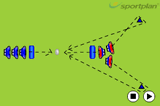
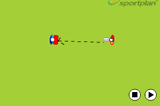
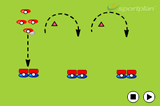
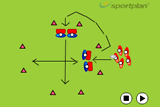
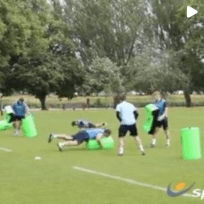
Have 3 or more pad holders, this depends on how many rucking units you wish to have and how many players you have at training - but work hard to keep every player busy and active.
The 3 pad holder should be about 5 meters back from the rucking units, and they should be holding the pads safely.
Players should work in groups of 2, and there will be 1 scrum half. Only one ball is needed as the scrum half will move the ball from unit to unit.
Get the players moving quickly, and tell the players the following....
The scrum half should move the ball from unit to unit, and the units/pads should reposition themselves for the next line of attacks. Keep the action going, and don't forget to change the players on the pads.
Ball carrier should hit low and hard. Ball carried should keep the ball away from the contact area.
The support player should decide: does he clear and drive, provide cover over the ball establishing an off side line, or simply position himself over the player on the ground and the ball. You might wish to work on decision making at the ruck?
The scrum half should have a target, maybe 3 seconds. Lets keep those heads up, play what we see and scan in order to make better decisions and to stay safe.
Communication, what needs to be said, who should be saying it, how should they be saying it. Loud, clear, useful communication.

in more ways than one
 sportplan_netball

in more ways than one
sportplan_rugby
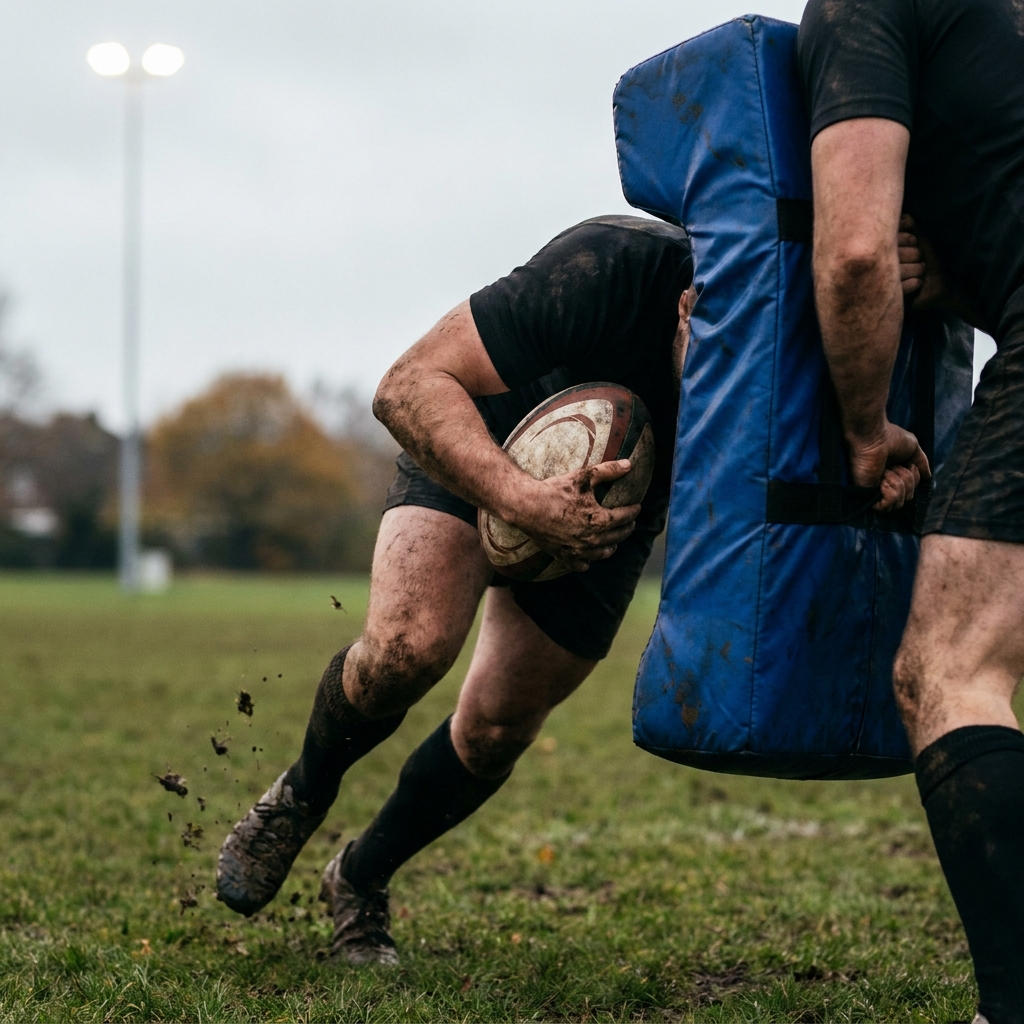
Tacklers are aiming lower, so carriers who dip late put heads at risk. Teach footwork, a strong early body height and leg drive to win the collision safely.

The hooker's brake foot moved from trial into full law in July 2026. Here is how to coach it so your front row stays stable, legal and safe.
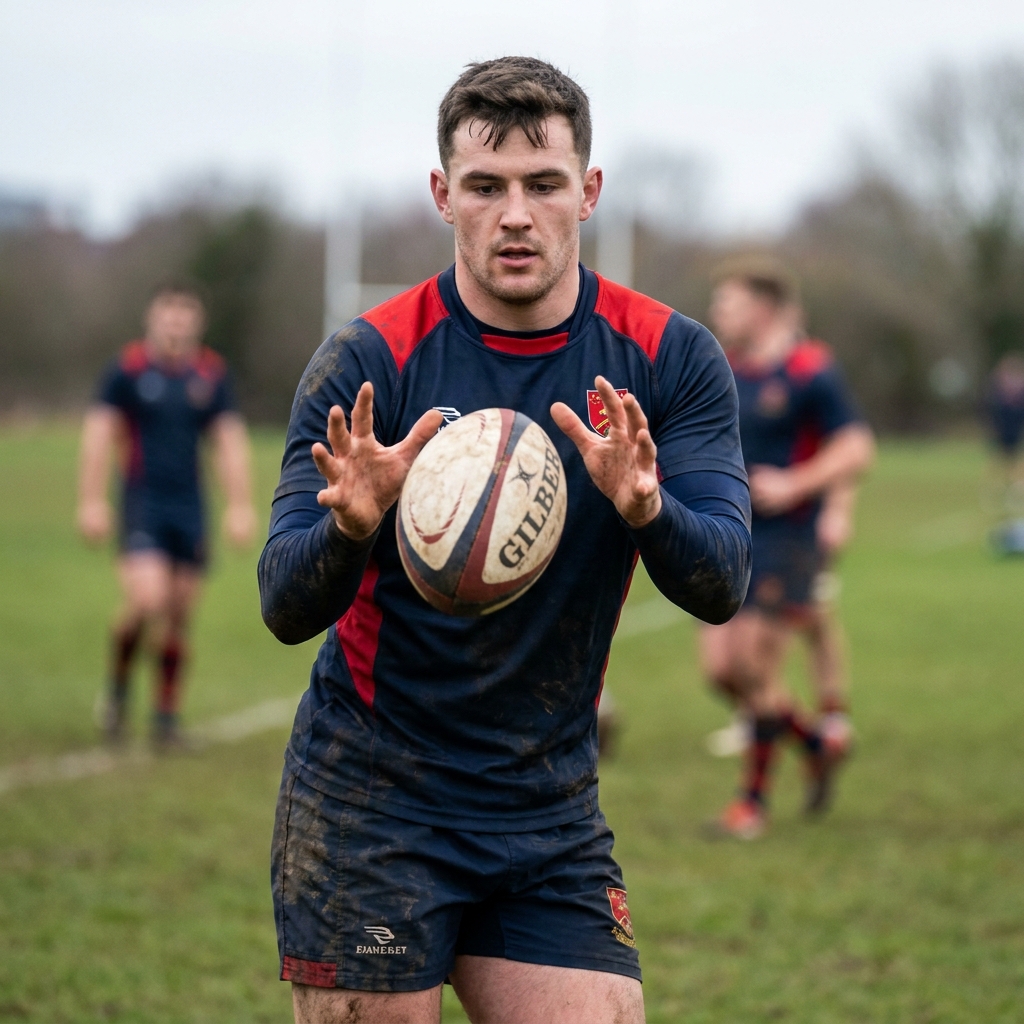
Your players can pass beautifully in a warm-up grid. Then a defender closes, their lungs are burning, and the ball goes to ground. Here is how to build catch-pass skills that hold up when it matters.