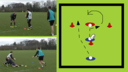
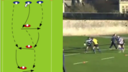
In 5m Channel have 4 defenders stood one behind eachother 5m apart.
Have 4 defenders stood in diamond formation. 1 ball carrier, 2 support runnners, 1 trailer runner.
Ball carrier takes on defender, trying to maneuver the defender or get on the outside of the defender using footwork and fend.
Once the player has line of sight of a supporting attacker, the attacker returns to 2 hands on the ball, then offloads to support runner.
The trailer runner then becomes the second support runner.
continue up the grid until the defenders left.
Attacker;
Use footwork
Use fend.
ensure you have a line of sight to support runner before offloading - (no blind passes)
Use a question mark shape to try maneuver the defender out the way off the offload.
Support Runners;
Tempo Running.
Do not get infront.
Accelerate onto the ball.
Lots of communication - let attacker know where you are.
Come in close - do not make the pass difficult.

in more ways than one
 sportplan_netball

in more ways than one
sportplan_rugby

Tacklers are aiming lower, so carriers who dip late put heads at risk. Teach footwork, a strong early body height and leg drive to win the collision safely.

The hooker's brake foot moved from trial into full law in July 2026. Here is how to coach it so your front row stays stable, legal and safe.
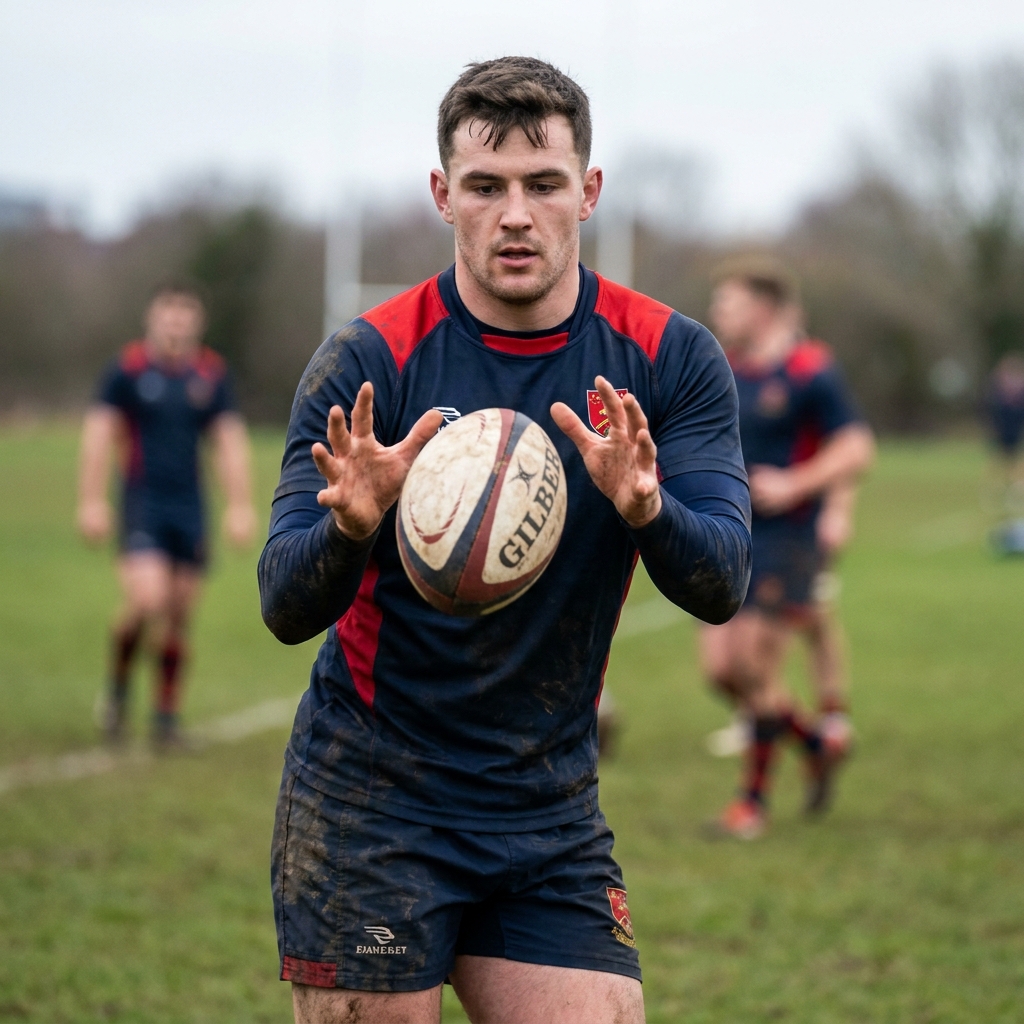
Your players can pass beautifully in a warm-up grid. Then a defender closes, their lungs are burning, and the ball goes to ground. Here is how to build catch-pass skills that hold up when it matters.