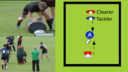
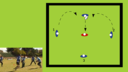
1. Shoulders on - low intensity
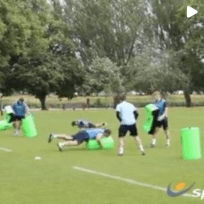
Shoulders on contact game on half a pitch, contiton is on the tackler. Tackler must perform a down up after shoulder on contact, immediatly after he/she needs to get into a good body postion to compete at the break down.
Attacking team must put 2 people into the breakdown to prevetn threat stealing the ball.
3 teams are working in rotation, to ensure the working team is always active.
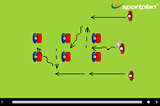
2. Same game - increaced intensity (now the defender can steal the ball if can get to it)
Attcking team must show urgency to remove the threat at the break down.
Defending team must adjust and maintain good body postition at the breakdown.
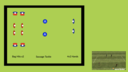
1. Defending Team;
Scanning - 2m apart, identify threats of attacking team.
Connections - think all defenderfs are on a piece of string.
Line Speed - off the line as quickly as possible (give attackers no time at all)
Ensure they have 1,2,3 defenders around every break down.
2. Tacklers - breakdown.
After shoulder on contact, must get into a strong powerful postiion to try win the ball
Urgency in the bounce off the floor.
Tower of power - stay on feet (stable body position.
3. Attackers
Pose lots of threats to the dfending team.
High tempo.
must show urgency with 2 players in the break down to secure it and prevent the defenders winning the ball.

in more ways than one
 sportplan_netball

in more ways than one
sportplan_rugby

Tacklers are aiming lower, so carriers who dip late put heads at risk. Teach footwork, a strong early body height and leg drive to win the collision safely.

The hooker's brake foot moved from trial into full law in July 2026. Here is how to coach it so your front row stays stable, legal and safe.
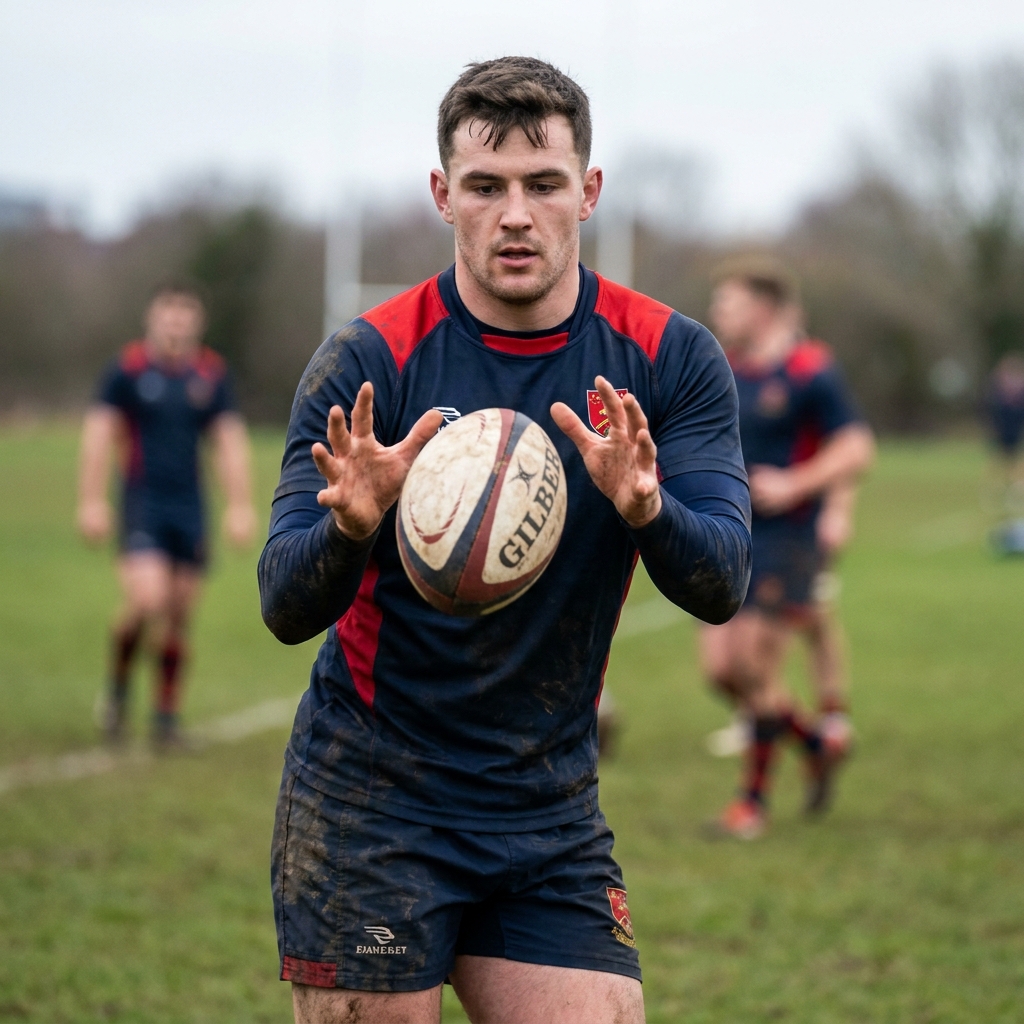
Your players can pass beautifully in a warm-up grid. Then a defender closes, their lungs are burning, and the ball goes to ground. Here is how to build catch-pass skills that hold up when it matters.