Every September the same conversation happens at junior training. One player has decided they are a shooter, another only wants to wear C, and somebody's parent has already mentioned that their daughter "is really a GK". It is tempting to settle the team early and get on with winning matches.
Resist it. At junior level, rotating positions is one of the best things you can do for your players, your team and the long-term health of your club. The start of the season is the easiest time to set that expectation, before anyone gets attached to a bib.
Why Rotation Matters for Young Players
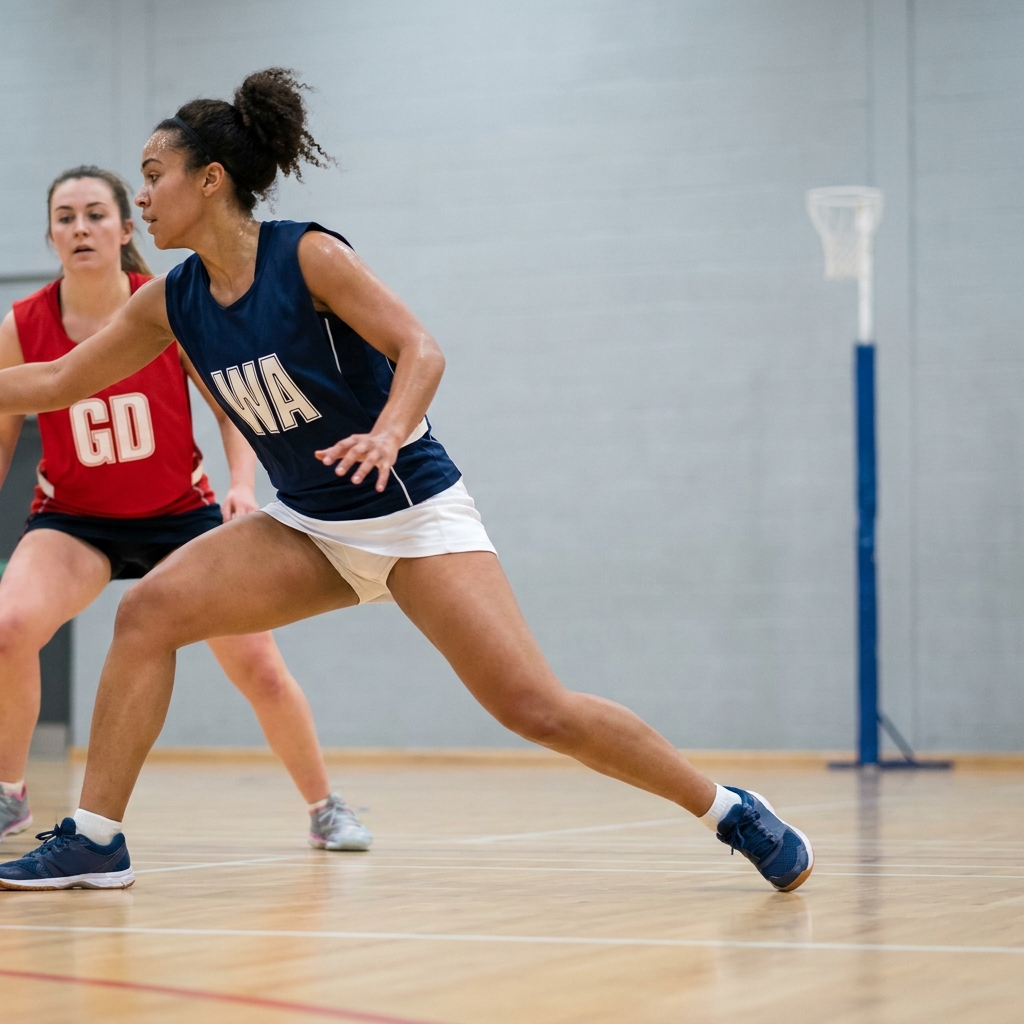
A player who has worn every bib understands the game. A centre who has played goal keeper knows what a keeper wants from a defensive transition. A shooter who has played wing defence knows how hard it is to stop a well-timed drive to the circle edge. That understanding shows up in better decisions everywhere on court.
It also protects development. Children change enormously between the ages of eight and fourteen. The tall player who looks like a natural goal shooter at ten may not be the tallest at fifteen, and the small, quick player who only ever played wing attack may turn out to be an outstanding defender. Specialising early closes doors that should stay open.
England Netball's own junior format backs this up. The Bee Netball rules for Stingers require players to rotate positions so that children learn and develop both attack and defence skills, with the frequency of rotation set by local competition organisers.
Fairness and Enjoyment
Rotation is also simply fairer. Centre and goal attack see plenty of the ball; goal keeper and wing defence can go a whole quarter with only a handful of touches. If the same children are always in the busy positions, the others learn less and enjoy it less, and those are the players most likely to drift away from the sport.
Knowing that everyone gets a turn also takes pressure off. Players stop worrying about losing "their" spot and start trying new things, which is exactly what you want at this age.
A Four-Step Framework for Organising Rotation
Step One: Set the expectation before the first match. Tell players and parents at the first session that everyone will play every position across the season, and explain why. It is much easier to announce a policy than to defend a team sheet after the event.
Step Two: Build a simple rotation grid. List your squad down one side and quarters or halves across the top, then fill it so every player moves through attack, centre court and defence, and time off court is shared evenly. England Netball publishes example rotation sheets for different squad sizes that are a useful starting point.
Step Three: Track it across the season, not just the match. A single game will never be perfectly balanced. Keep a running record so that the player who sat out first quarter this week starts next week, and nobody goes three matches without trying a shooting bib.
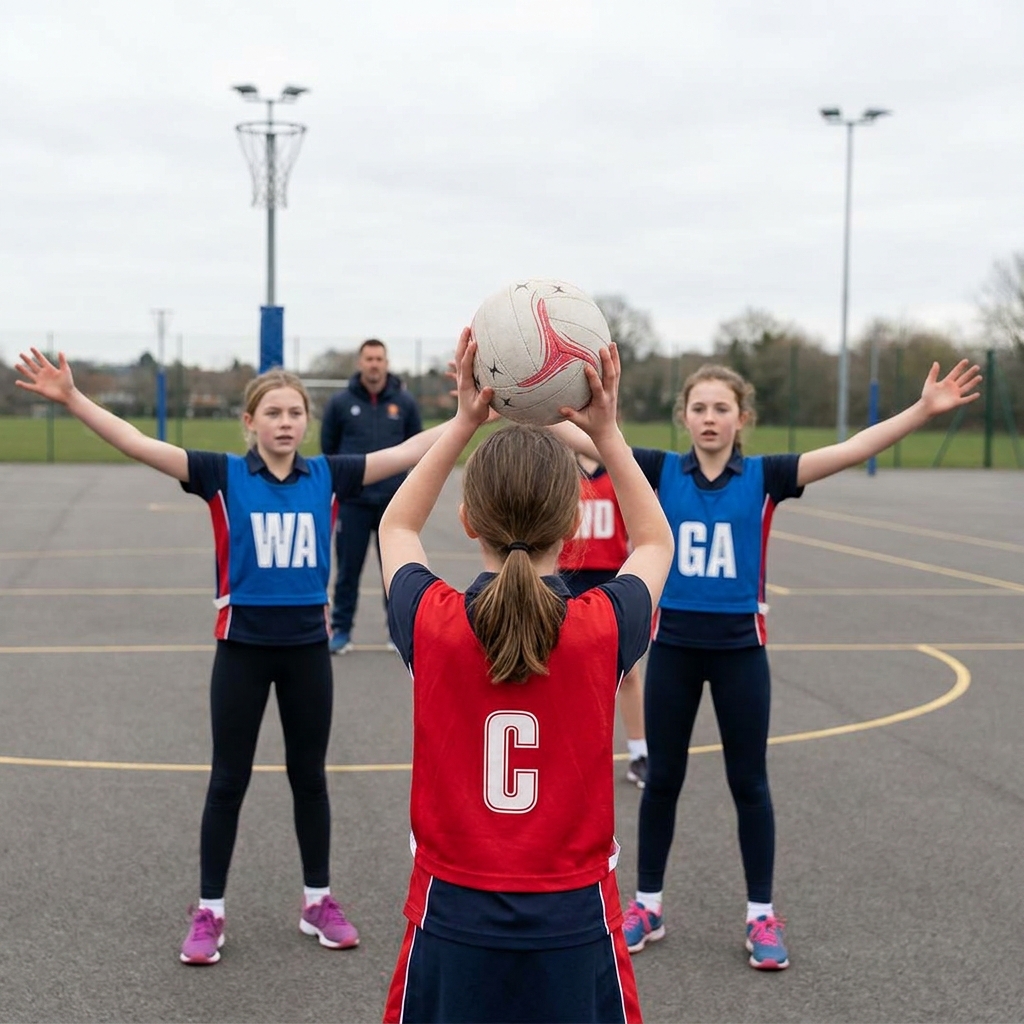
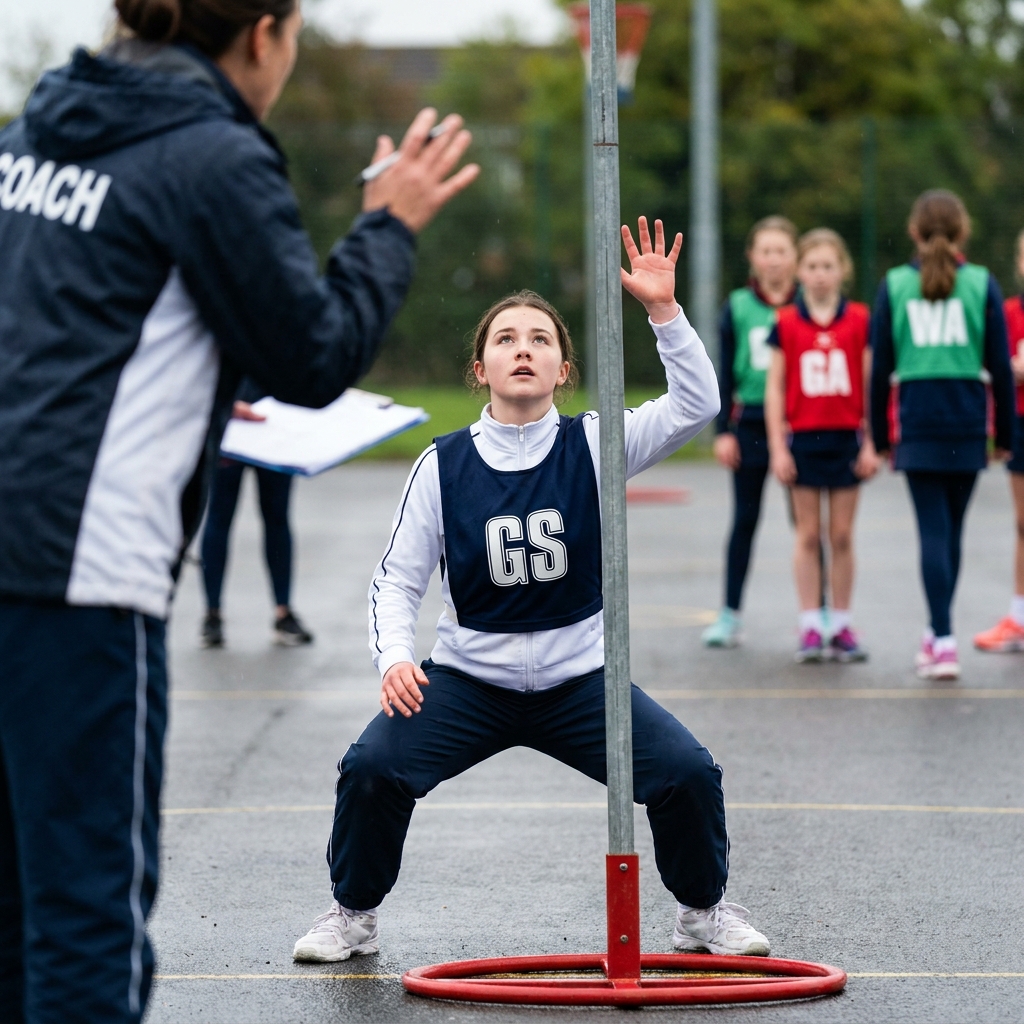
Step Four: Coach the position, not just the bib. Before a player takes on a new position, give them a quick reminder of where they can go and what their main job is. A child who is thrown into goal keeper without knowing they cannot leave the defensive third will have a miserable quarter.
How to Train It
Mirror your match rotation in training. Use small-sided games where players swap roles after a set number of goals or a set time, so switching between attacking and defending becomes normal rather than unsettling.
Keep a short positions refresher in your warm-up for the first few weeks. Call out a bib and have players run to the areas that position is allowed in. It is quick, it is active, and it stops offside calls from ruining a new position before the player has had a chance to enjoy it.
Handling Players and Parents Who Want "Their" Position
Listen first. Usually the worry is that the child will not get a fair go, or will lose out on selection later. Explain that trying every position makes them a better player in the position they love, and that the whole squad is on the same rotation.
Be consistent. The quickest way to lose trust is to rotate everyone except your strongest shooter in a close game. If you do make exceptions, for example a nervous player who is not ready to shoot in a match, make it about the child's wellbeing and agree it with them, not about the scoreline.
Key Coaching Points
- Announce the rotation policy at the start of the season, before anyone claims a bib.
- Use a written rotation grid so attack, defence, centre court and time off are shared evenly.
- Balance rotation across the whole season, not just a single match.
- Give a quick role reminder every time a player takes on a new position.
- Use role-swapping small-sided games in training so switching feels normal.
- Stay consistent, especially in close games, so players and parents trust the system.
Recommended Drills

VIEW ALL ROLES AND RESPONSIBILITIES DRILLS
Frequently Asked Questions
Won't rotating positions mean we lose more matches?
Sometimes, in the short term. But junior netball is about developing players, and teams where everyone understands every role tend to improve faster over a season. Players who have defended also attack more intelligently, and that pays off later.
At what age should players start to settle into positions?
There is no single cut-off, and it will depend on your club and the competitions you enter. As a general rule, keep rotation broad for as long as you can, then gradually let players spend more time in two or three positions that suit them as they move into older age groups.
What if a child really does not want to play a certain position?
Find out why. Often it is fear of shooting in front of people or worry about not knowing the rules. Give them practice in that role at training first, pair them with a confident teammate on court, and build up gradually rather than forcing it on match day.

 sportplan_netball