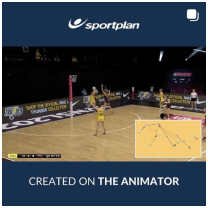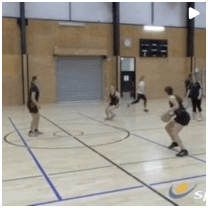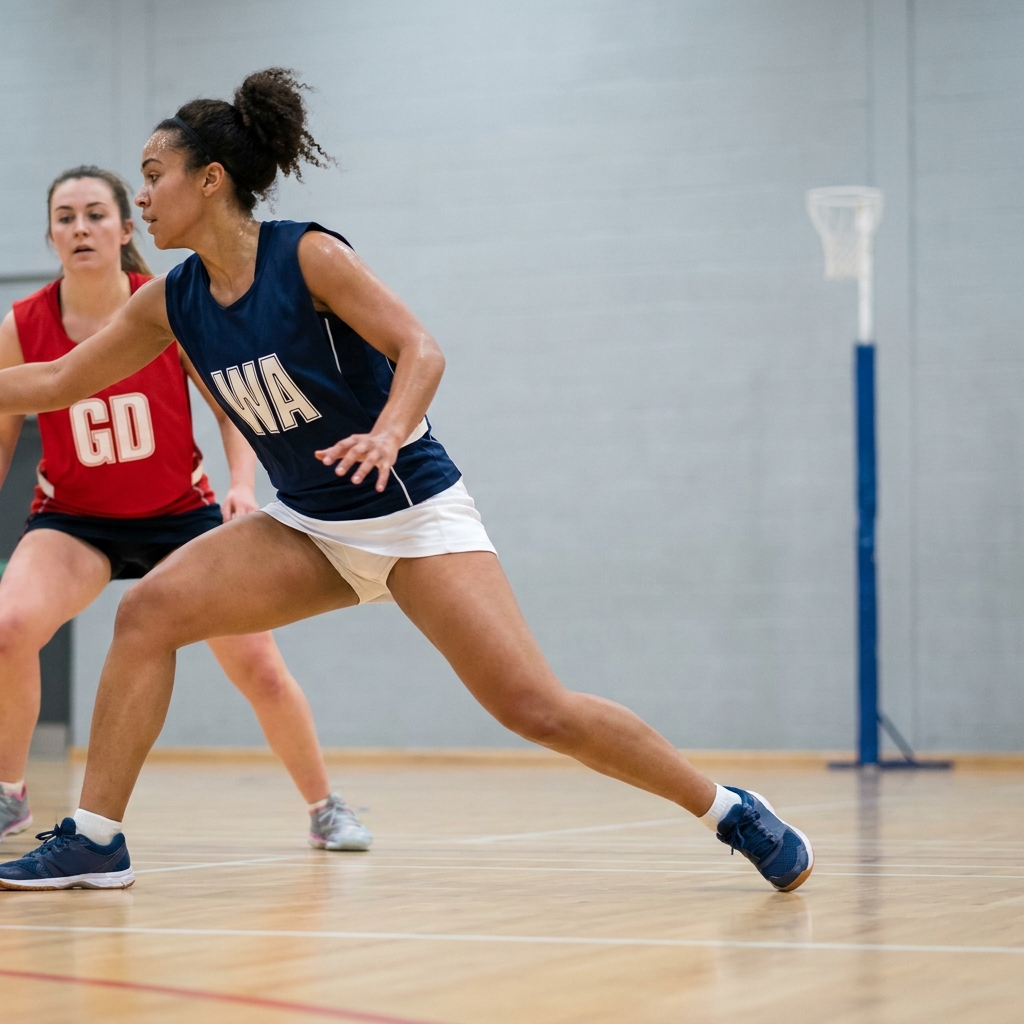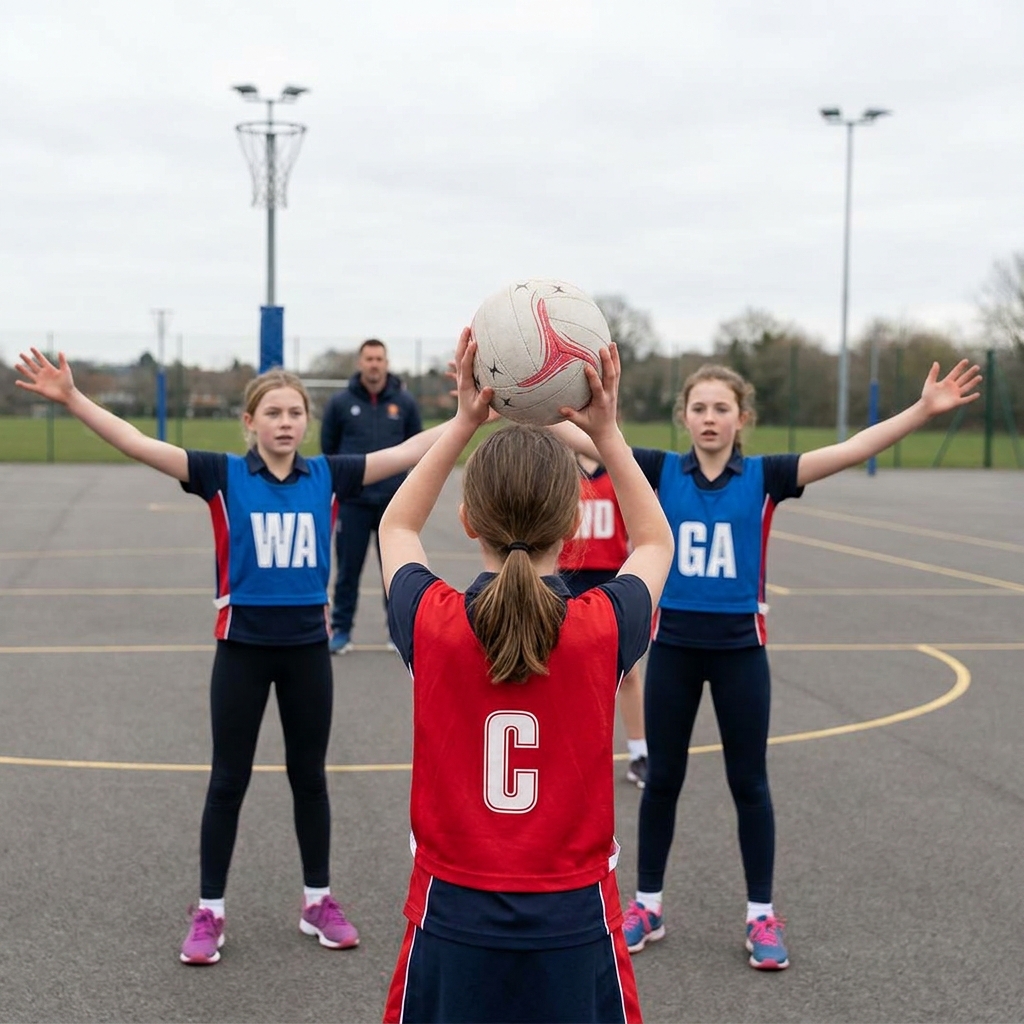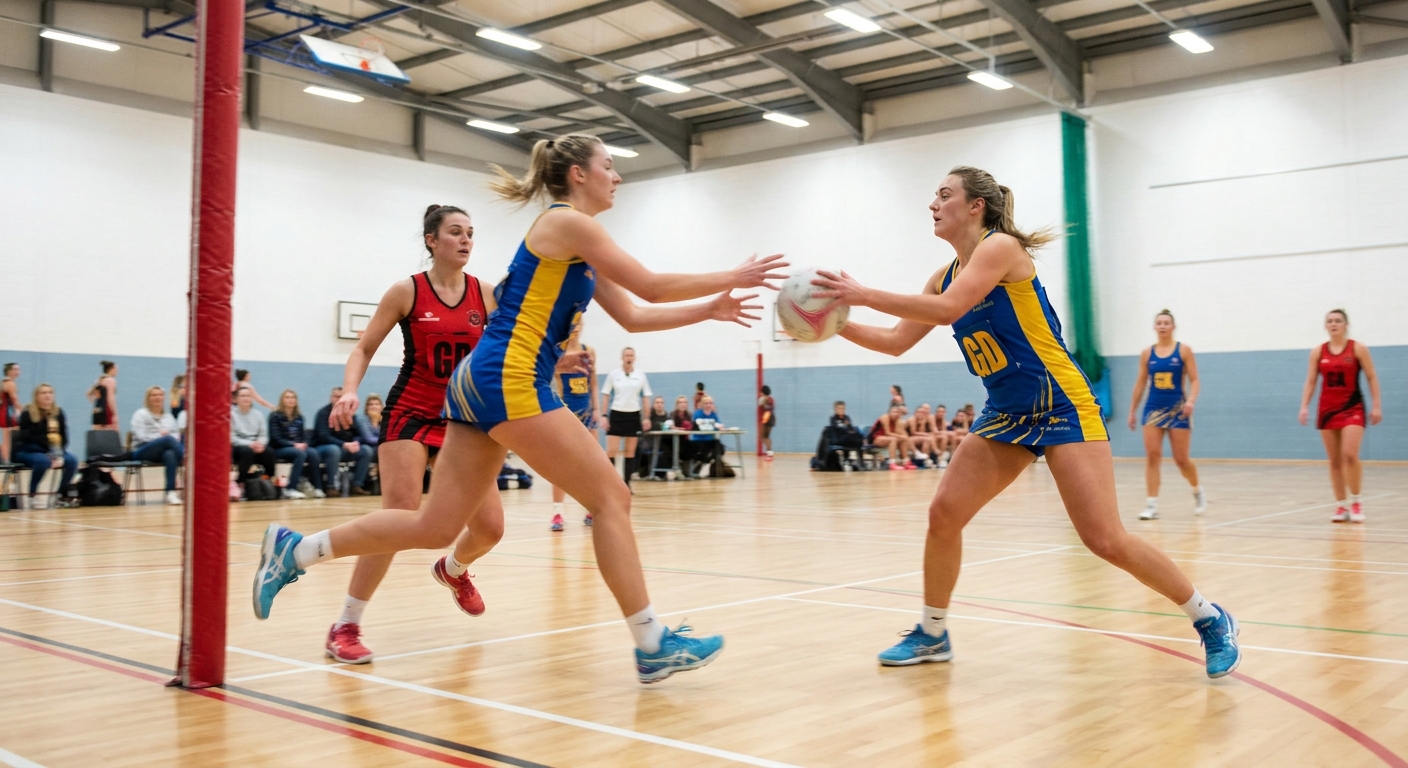
Watch the sharpest attacking units in the game and you will notice how often two players beat a whole defensive structure with a single quick exchange. One player passes, immediately drives past her marker, and receives the ball straight back on the other side. It is the netball version of the give-and-go, and coaches increasingly call it the double play. Done at pace, it is almost impossible to defend one-on-one.
The double play has become a talking point in 2026 partly because top coaches have put it front and centre - West Coast Fever's Dan Ryan and his triangle double-play work is a well-known example. But it is not a professionals-only trick. The give-and-go is one of the most coachable attacking patterns in the game, and even young club sides can learn to unlock a packed defence with it. The key is teaching the timing, not just the movement.
What Makes the Double Play So Hard to Stop
A defender's job gets much easier when the attacker stands still after passing. The moment the ball leaves an attacker's hands, most defenders relax for a split second and shift their attention to the next threat. The double play punishes exactly that moment. By passing and then immediately driving, the attacker attacks the defender when she is least ready - just as she switches off.
It also creates a numbers problem. The receiver becomes an instant passing option again, so the defence has to account for a player they thought was finished with the play. If the return pass is quick and flat, there is simply no time to recover. The double play turns one pass into a two-touch combination that a static defence cannot track.
Coaching the Give-and-Go: A Simple Framework
The movement looks effortless when it works, but it is built on a few precise habits. Break it down for your players in order rather than expecting the whole thing to click at once.
Step One: Pass and go, do not pass and admire. Drill into players that the pass is the start of their movement, not the end of it. The instant the ball is released, they drive - ideally straight past the shoulder of their marker.
Step Two: Change the angle. A double play straight back down the same line is easy to read. The driver should attack a new space - across the defender's body or into a channel - so the return pass opens fresh court, not the same congested pocket.
Step Three: The feeder holds and reads. The player receiving the first pass should not rush the return. She holds the ball an extra beat, lets the driver commit, and delivers into space ahead of the run so her partner runs onto it rather than stopping for it.
Step Four: Time the release, do not force it. If the drive is not on, the return does not happen - the ball simply moves elsewhere. Teach players that the double play is an option they take when the defender bites, not a scripted move they run regardless.
Building It Into Team Attack
The double play is at its most dangerous around the circle edge, where a give-and-go between a feeder and a driving attacker can create a clean shooting feed. But it works all over the court - two mid-court players can use it to break a tight press, and a centre-pass receiver can double-play with the wing to punch through the transverse line.
Start players in unopposed pairs so the timing becomes automatic, then add a passive defender, then a live one. The move only earns its place under genuine pressure, so do not linger too long in the unopposed phase. Once players can read when the defender switches off, let them hunt for that moment in small-sided games.
Key Coaching Points
- Pass and go - the pass triggers an immediate drive, catching the defender in the split second she relaxes.
- Attack a new angle on the return so the second phase opens fresh space rather than the same congested area.
- The feeder holds and reads - an extra beat lets the driver commit before the return pass is delivered ahead of the run.
- Deliver into space, not to feet so the receiver runs onto the ball at full pace.
- Keep it an option, not a script - take the double play when the defender bites, move the ball on when she does not.
- Rehearse under pressure - progress from unopposed to passive to live defence so the timing survives a real contest.
Recommended Drills
Frequently Asked Questions
At what age can I teach the double play?
The basic give-and-go can be introduced from around under-11s in an unopposed form, because it is really just pass, drive and receive. The timing against a live defender - reading when to take it and when to move the ball on - develops later, usually from under-13 upwards. Build the movement habit young and layer the decision-making on as players mature.
How is the double play different from a normal give-and-go?
They are essentially the same idea - the double play is simply the term many coaches now use for a quick two-touch give-and-go used deliberately as an attacking weapon, often around the circle edge. The emphasis is on speed and on attacking the defender in the moment she switches off after the first pass. Some coaches chain it into triangle or three-player patterns for a more layered attack.
My players run the double play even when it is not on. How do I fix that?
This is a decision-making problem, not a technique one. Coach it as an option that lives or dies on the defender's reaction. In your live drills, reward players for moving the ball on when the drive is covered, not just for completing the double play. Once they learn that forcing it into a set defender leads to a turnover, they will start reading the moment properly.
 sportplan_netball