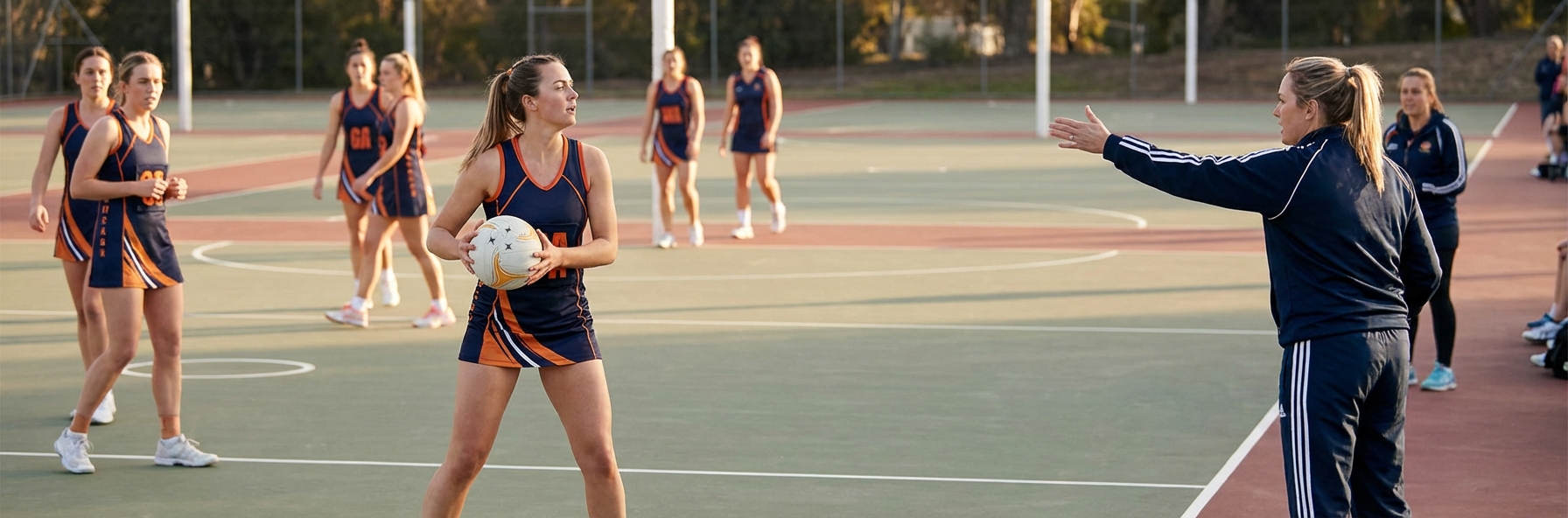
The Super Shot has created a strategic dilemma that every shooter faces multiple times per quarter: take the two-goal attempt from range, or work the ball closer for a higher-percentage standard shot?
The answer isn't always obvious. The wrong decision - in either direction - costs goals. The best shooters develop a framework for making this choice under pressure, quickly and consistently.
The Expected Value Calculation
At its simplest, shot selection is a maths problem. Expected value equals probability of success multiplied by reward.
Super Shot example: A 50% shooter from the Super Shot zone has an expected value of 1.0 goals per attempt (0.5 x 2).
Standard shot example: An 85% shooter from under the post has an expected value of 0.85 goals per attempt (0.85 x 1).
In this scenario, the Super Shot is mathematically superior despite the lower percentage. The threshold varies by shooter, but generally: if your Super Shot percentage exceeds 42.5% of your standard percentage, the Super Shot has higher expected value.
Beyond the Maths
Pure expected value ignores important context. Several factors should influence shot selection:
Game State
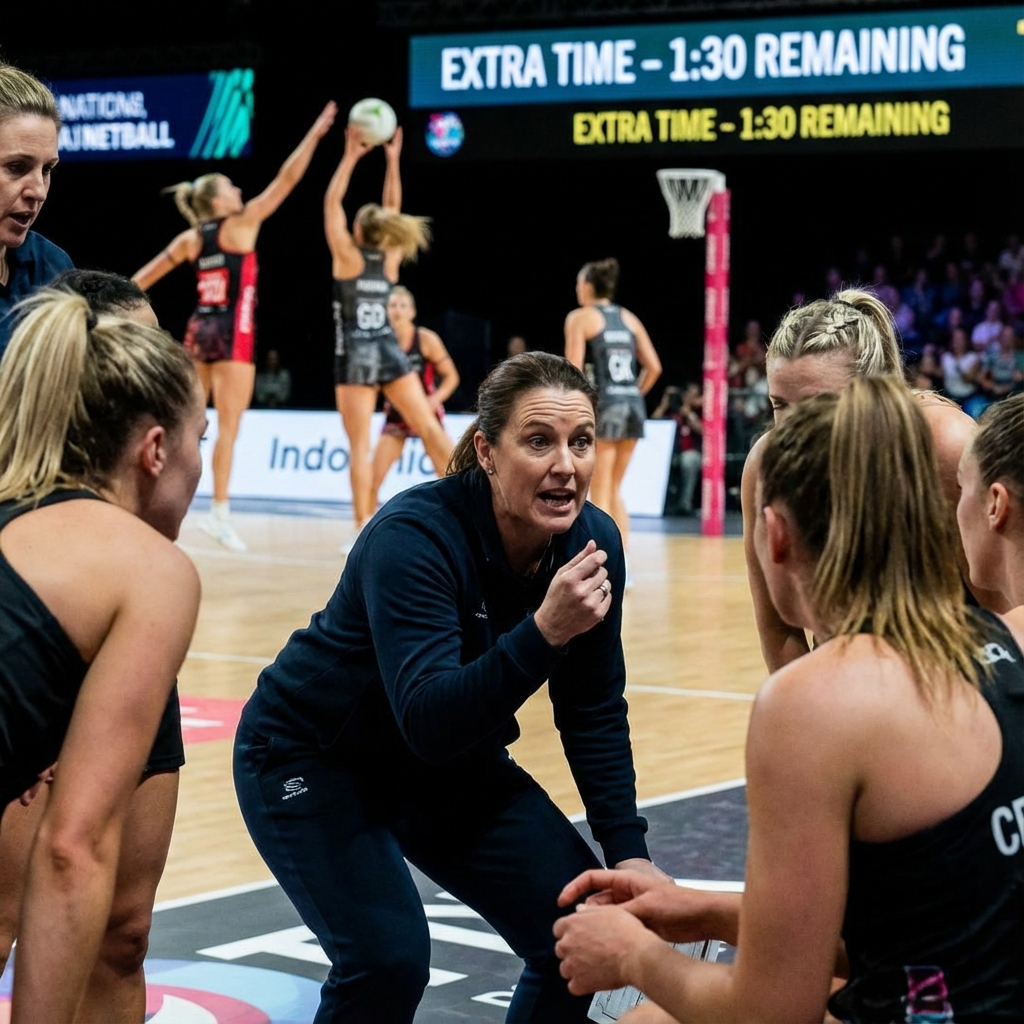
Down by 6 with 2 minutes left? Aggressive Super Shot hunting is necessary - you need multiple two-goal swings to catch up. Up by 4 with 90 seconds remaining? Conservative standard shots protect the lead without gifting turnovers.
Time on the Clock
Early in Power 5, there's time to work the ball and create better opportunities. With 30 seconds left, a clean Super Shot look might be your last chance to score twice.
Defender Position
A Super Shot with no defender pressure is different from one with hands in your face. Read the defence before committing to range.
Rebounding Setup
If your GA is well-positioned for an offensive rebound, a Super Shot miss has a safety net. If not, the turnover risk increases.
The Decision Framework
Train your shooters to ask three questions before every shot during Power 5:
1. Am I balanced? A rushed or off-balance Super Shot rarely goes in. If you're not set, work closer or reset the attack.
2. What's the defence giving me? Tight defence at the edge suggests working inside. A defender who sags offers a cleaner Super Shot look.
3. What does the game need? Does the scoreboard demand risk, or reward patience? Make the decision that serves the team, not your stats.
Recognising Good vs Bad Super Shot Opportunities
Good Super Shot opportunity:
- Clean catch in the zone with time to set
- Defender more than arm's length away
- Balanced stance, comfortable body position
- Support positioned for potential rebound
Bad Super Shot opportunity:
- Catching on the move or off-balance
- Tight defensive pressure on the release
- Rushed attempt with defender closing
- No rebound support, high turnover risk
Training Shot Selection
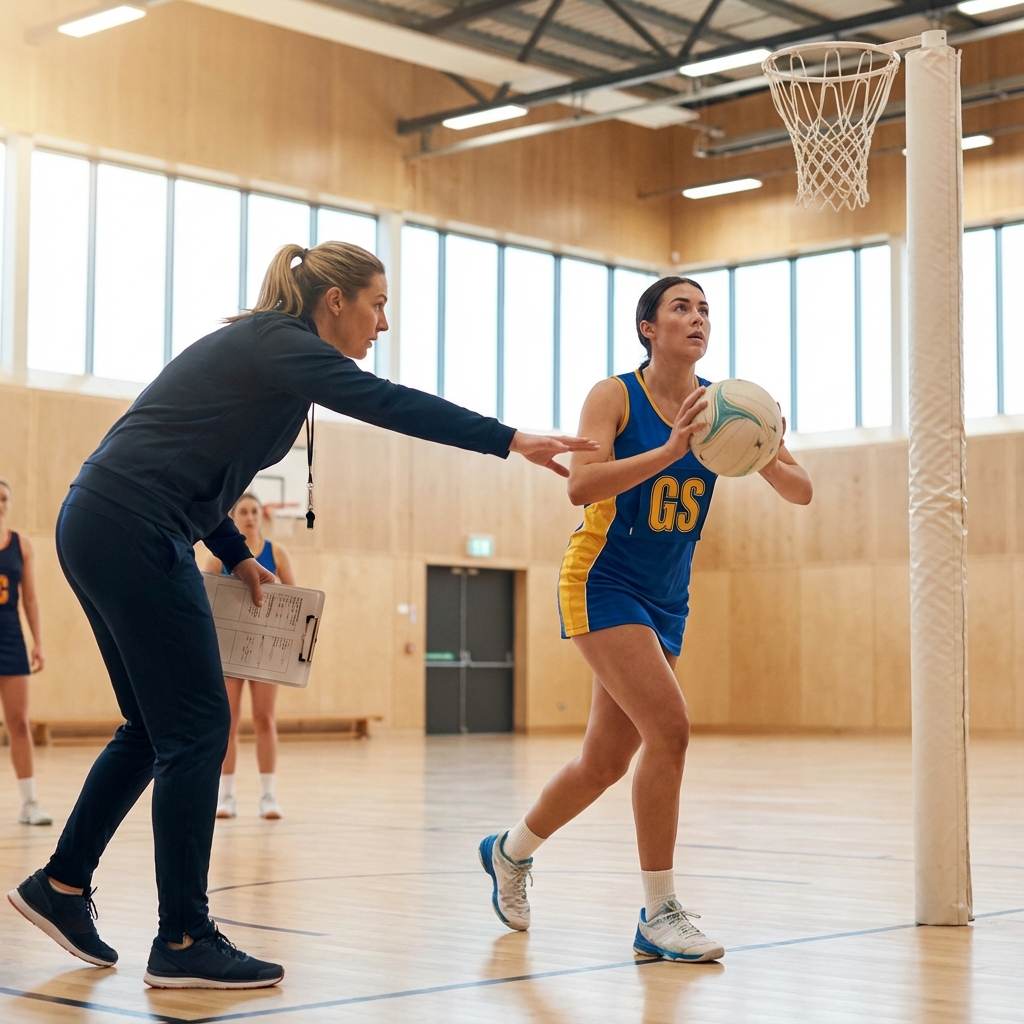
Decision drills. Coach feeds ball to shooter in Super Shot zone with varied defensive pressure. Shooter must call "shot" or "work" instantly. Rewards for correct decisions based on pre-defined criteria.
Game state scenarios. Set up specific situations - down 4 with 1 minute left, up 2 with 3 minutes remaining - and let shooters practice decision-making in context.
Video review. Analyse Super Shot attempts from training and matches. Was the decision correct? Was the execution the problem, or the choice?
Team-Level Strategy
Shot selection shouldn't be purely individual. Teams should develop guidelines:
- Which shooter has the best Super Shot percentage? She gets priority on long-range attempts.
- At what score margin do we become aggressive/conservative with Super Shots?
- When do we deliberately work for Super Shot opportunities vs standard shots?
These guidelines reduce decision burden on individuals and create consistency across the team.
The Discipline to Pass Up Shots
Perhaps the hardest skill is passing up a Super Shot opportunity that looks tempting but isn't optimal. Shooters are trained to shoot - resisting that instinct requires discipline.
Frame it positively: passing up a 35% Super Shot for an 80% standard shot isn't weakness - it's smart netball. The best shooters have the confidence to decline bad opportunities.
Evolving Your Approach
Track your shooters' conversion rates from different zones. The data should inform decision-making. If a shooter converts 60% from range, she should be hunting Super Shots. If she's at 30%, she should be more selective.
This data also helps opponents scout you. Vary your approach to remain unpredictable while staying within expected value guidelines.
Shot selection in the Super Shot era is a skill that separates good shooters from great ones. Train it deliberately, review it constantly, and trust the framework when the pressure is on.
Where to Go Next
Ready to improve your shooters' technique and decision-making? Explore our shooting drills and session plans:
- Shooting Drills - Build accuracy and confidence from all positions
- Session Plans - Complete training sessions including shooting movement
 sportplan_netball