- set up a 10m by 10m grid and split group into four, with a line on each corner (cone) of the grid.
- First person with ball passes directly to their left. they then run to the middle of the square to recieve the pass (from the same person they just passed it to).
- Continue running line to the same colour cone directly infront of your origonal line.
- Pop the ball to the next person in the line.
- repeat steps.
- Stay to the left of your cone.
- Big talk is important
- catch, pass, run, pop. This is the order of what each person has to do, this is crucial to ensure players do the right thing at the right time to do the drill correct.
ADAPTIONS:
- can add a second ball. Things that then become even more important: stay left, coms (cprp).
in more ways than one
 sportplan_netball
in more ways than one
sportplan_rugby
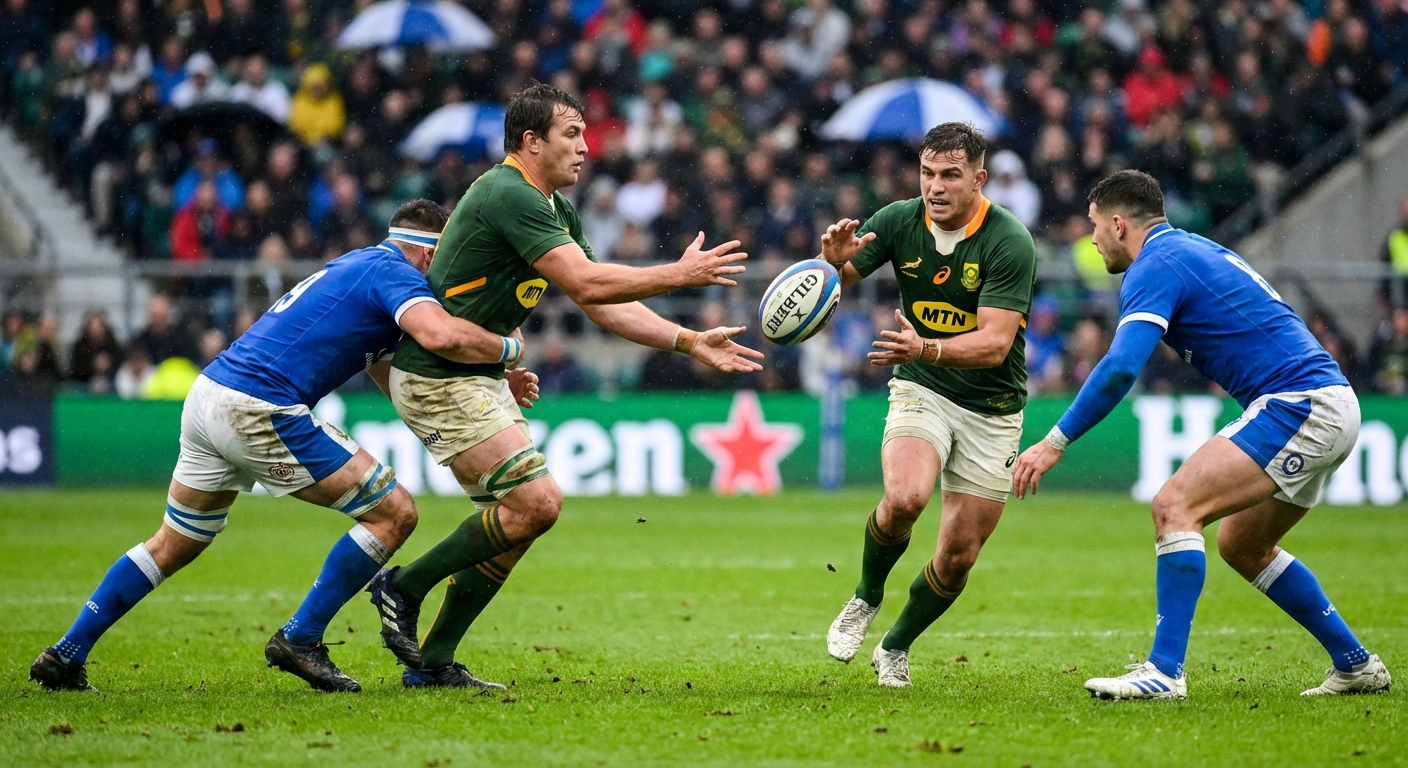
The offload is one of rugby's most devastating weapons when executed well, turning a defensive collision into a second-phase attacking opportunity. This article breaks down the technique, timing, and training progressions coaches need to develop confident offloaders at every level.
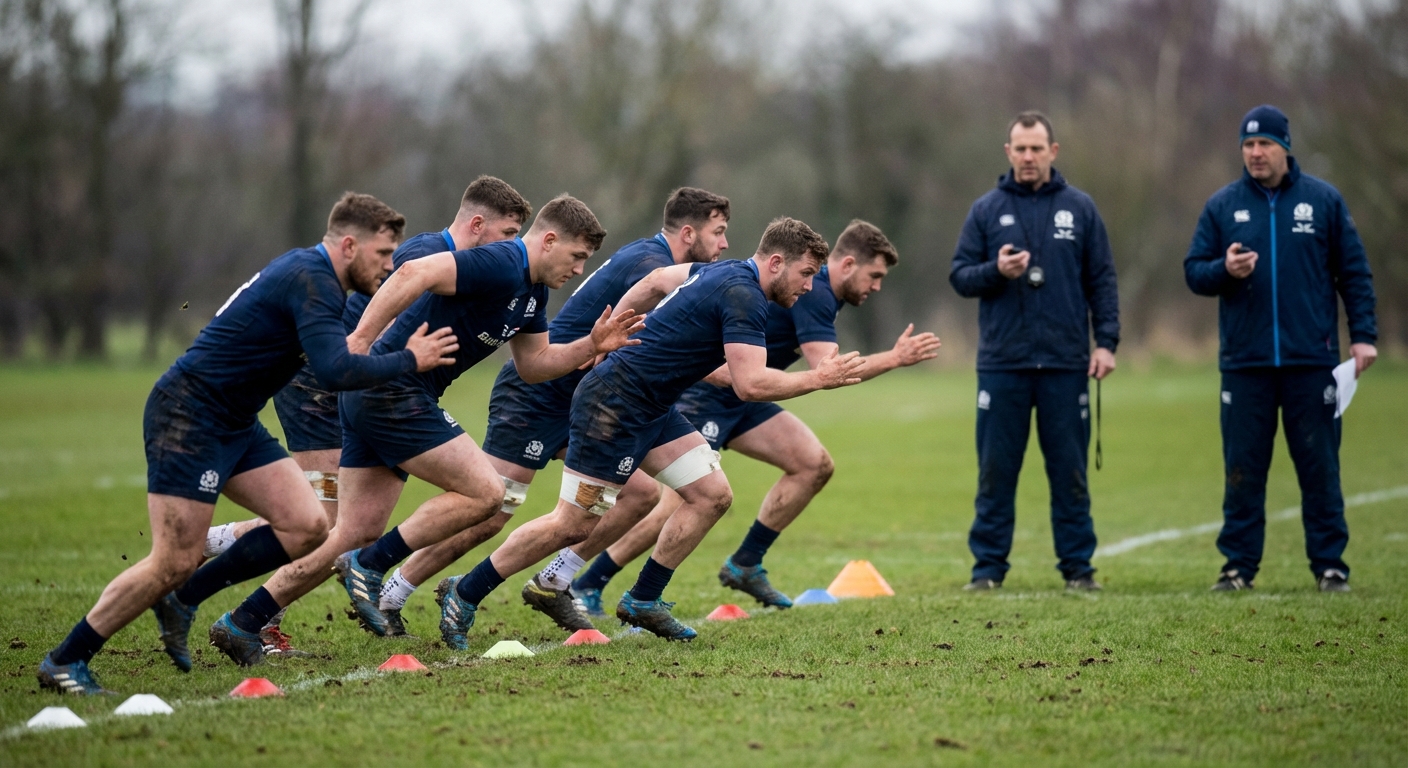
Defensive line speed is the single most important factor in shutting down attacking opportunities before they develop. This guide explores how to coach your defensive line to push up as a connected unit, communicate under pressure, and deny the opposition time and space.
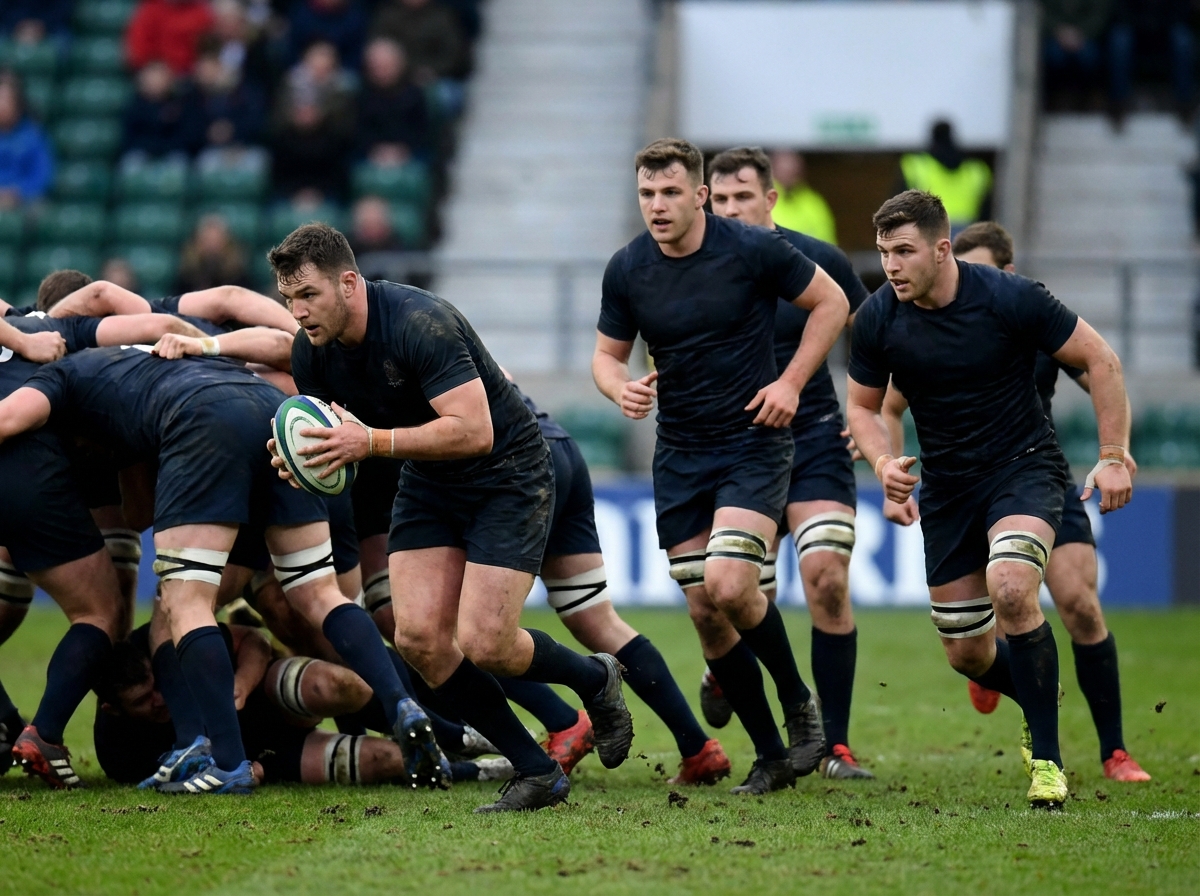
The teams winning in 2026 aren't taking risks - they're grinding out territory with relentless pick-and-go phases. Here's how to coach it.