5/6 defenders 3/4 attackers.
The attackers pass the ball between themselves with out attacking.
The defenders call left/right and move together to follow the ball (closing the gaps).
The Coach stands behind the defenders and signals to the attackers when they are able to attack.
They move forward and place the ball. The nearest defender must touch and kneel by the ball, attackers pick the ball up and carry on. The defender on knee counts to 10 then rejoins. (or stays until coach says
If/When tagged. the game starts again, with the attackers starting from the tag position. focus on the defenders getting back onside (back 5m) quickly and into their defencive line ready.
Defenders can slowly move forward whilst moving left/right. to put pressure on the attackers pass.
Work on the defender communication and collective movement.
And defenders getting back into positions (not bunching).

in more ways than one
 sportplan_netball

in more ways than one
sportplan_rugby
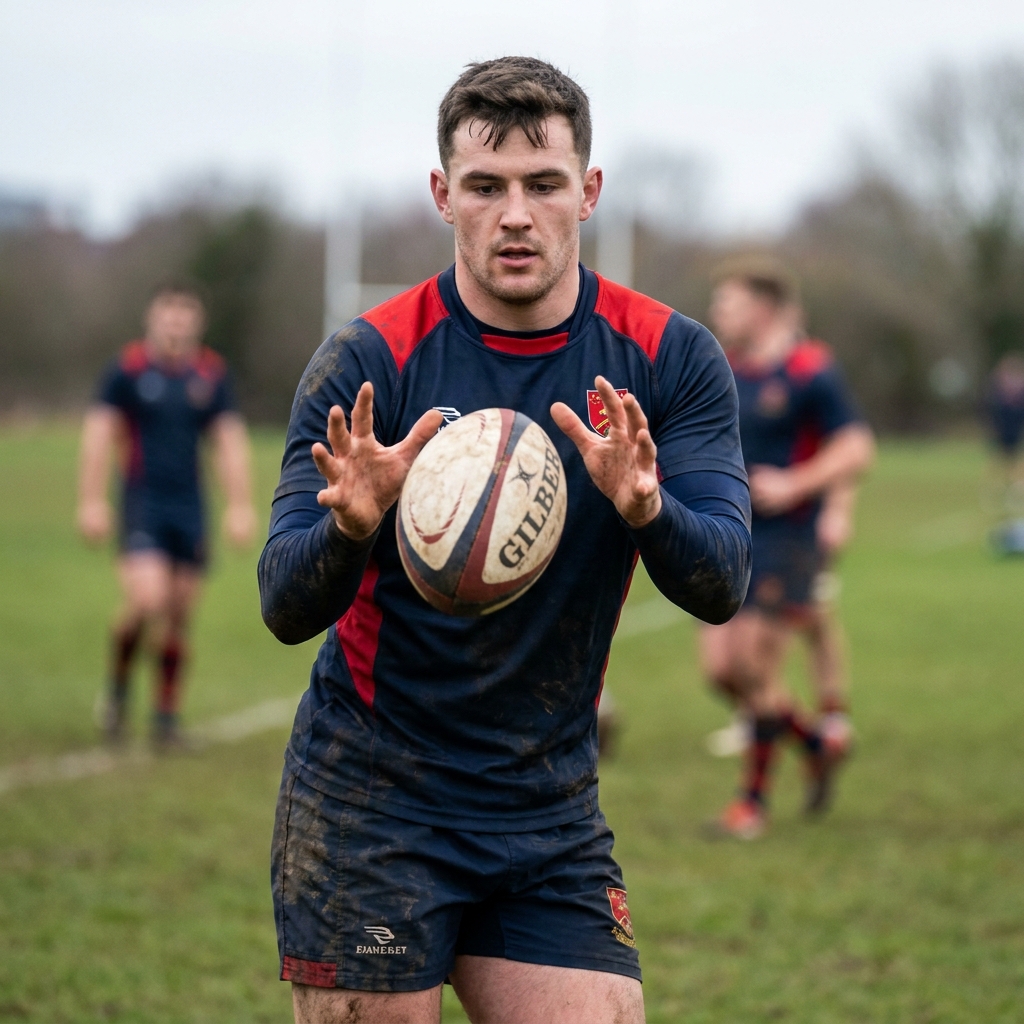
Your players can pass beautifully in a warm-up grid. Then a defender closes, their lungs are burning, and the ball goes to ground. Here is how to build catch-pass skills that hold up when it matters.
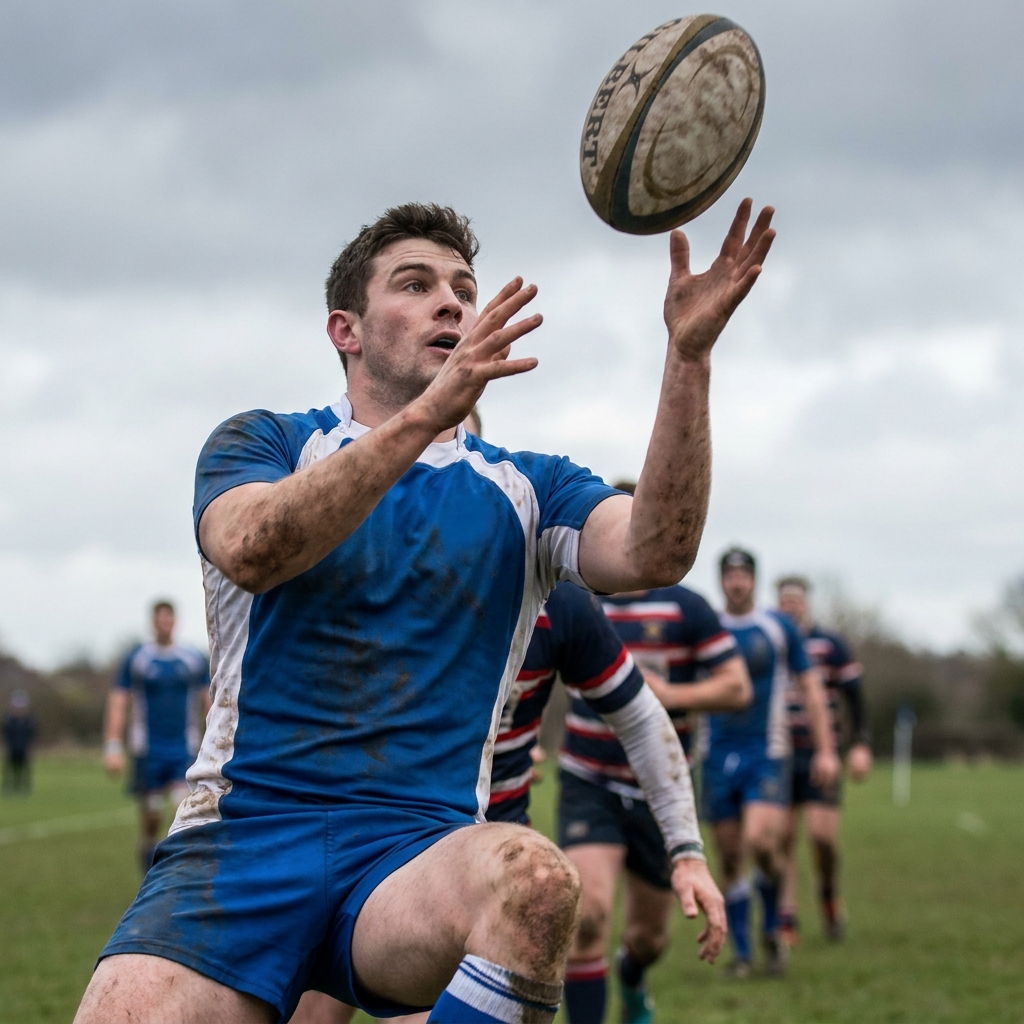
A box kick or up-and-under is only as good as the chase behind it. Here is how to organise your chase line, compete in the air safely, and make sure your own catchers are ready for what comes next.
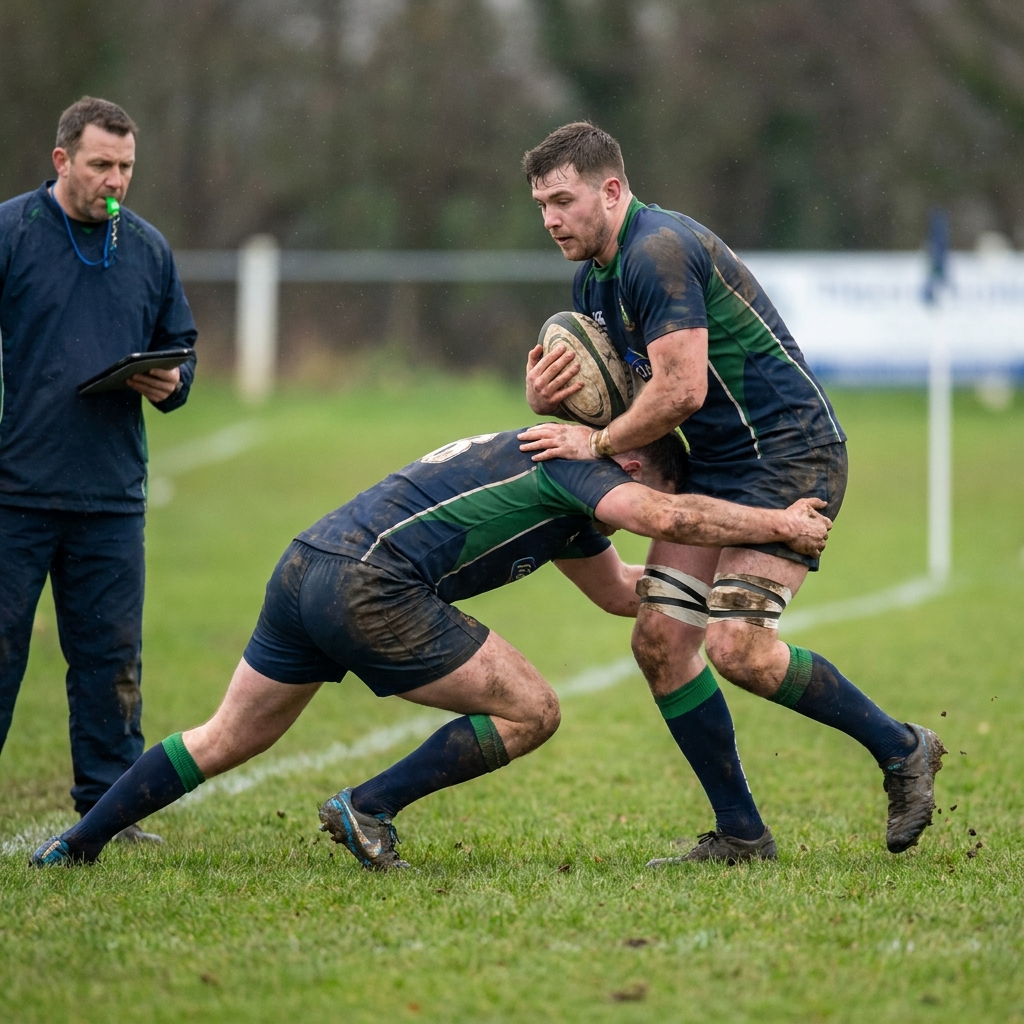
World Rugby's lower tackle height is no longer a trial. It is law in community rugby from this season, and unions choose waist or base of the sternum. Here is how to retrain your defence.