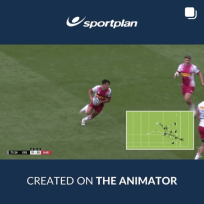
Illustration of an ideal execution of the slide defence. Numbered arrows indicate the player (on that run) calling “Shift” or “Push”, with the number indicating the order in which the calls should occur.
The goal is to push the opposition towards the touchline, or force them to try cut back into traffic. Best used against sides that like to distribute and try to create overlaps.
Pros: Simple, easy to organise, hard to break down. Offers turnover opportunities due to better numbers at following breakdown. Touchline forms extra defender.
Cons: Poor matchups in pace may cause outside defenders to step in to cover. Lack of communication/organisation will cause gaps from players shifting too early or switching off after the ball has moved on (No inside cover on running lines cutting back towards breakdown)

in more ways than one
 sportplan_netball


in more ways than one
sportplan_rugby

Your players can pass beautifully in a warm-up grid. Then a defender closes, their lungs are burning, and the ball goes to ground. Here is how to build catch-pass skills that hold up when it matters.

A box kick or up-and-under is only as good as the chase behind it. Here is how to organise your chase line, compete in the air safely, and make sure your own catchers are ready for what comes next.
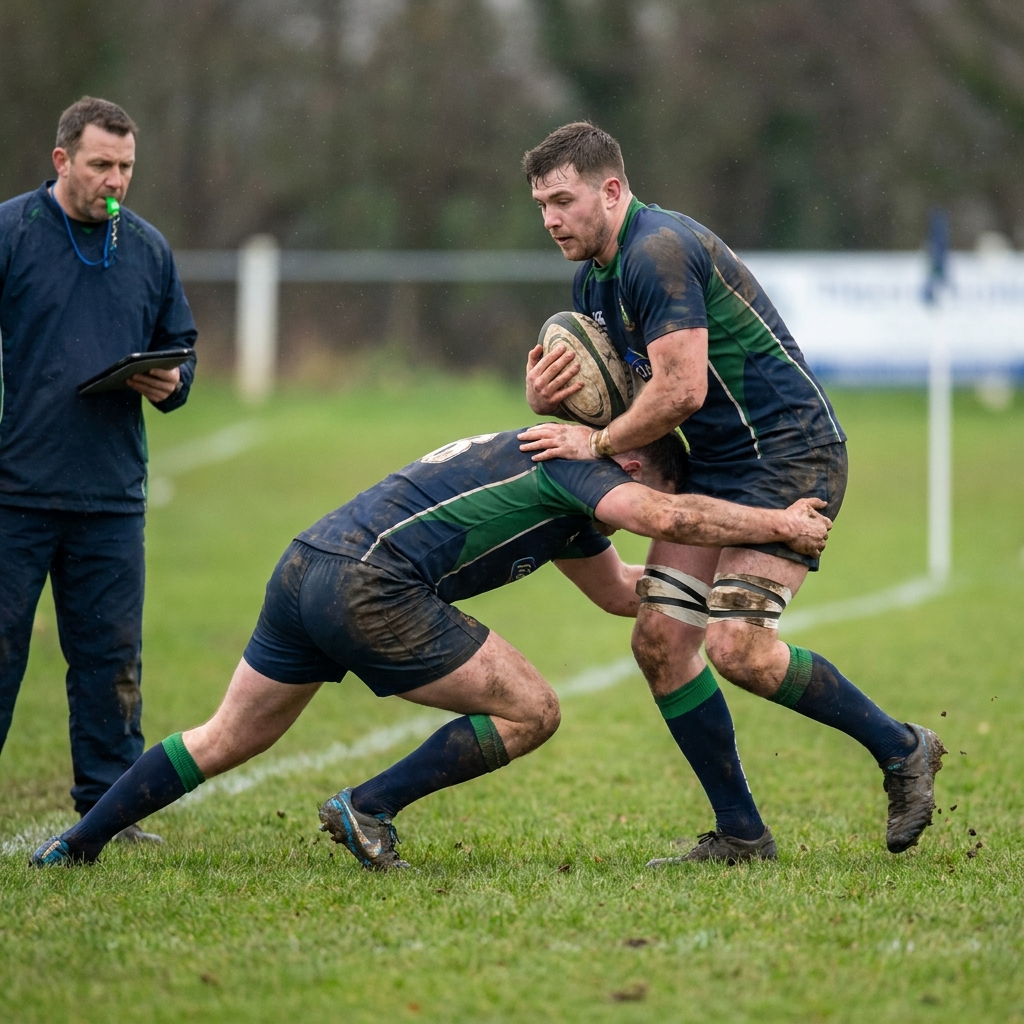
World Rugby's lower tackle height is no longer a trial. It is law in community rugby from this season, and unions choose waist or base of the sternum. Here is how to retrain your defence.