Lineout move only. Should be used when we have a linout inside the opponent 10.
Best utilized with a short lineout (3-4) and a quick jump to the front pod.
9 -> 10 -> 11 (inside ball)
10 needs to bring in opposite 10 and offload to 11. Not a big gain play, 11 should just crash for a 5 - 6 m gain.
2nd phase, ball comes back inside to hooker with 2 lifters ready to support. During second phase, 1, 3, 4, & 5 should be setting up pod in the middle of the field for 3rd phase train option
15 should line up in 12 spot and be ready to be playmaker (10) for the 3rd phase.
3rd phase can be flash with hands to the space if defense is not set or train to the forwards if the defense is well set.
After 3rd phase we go back to open play
Mostly meant to get the defense unorganized.
Defensive linout not shown to avoid more confusion in the picture, but assume they will be relatively set to make tackle on hooker.

in more ways than one
 sportplan_netball


in more ways than one
sportplan_rugby

Your players can pass beautifully in a warm-up grid. Then a defender closes, their lungs are burning, and the ball goes to ground. Here is how to build catch-pass skills that hold up when it matters.
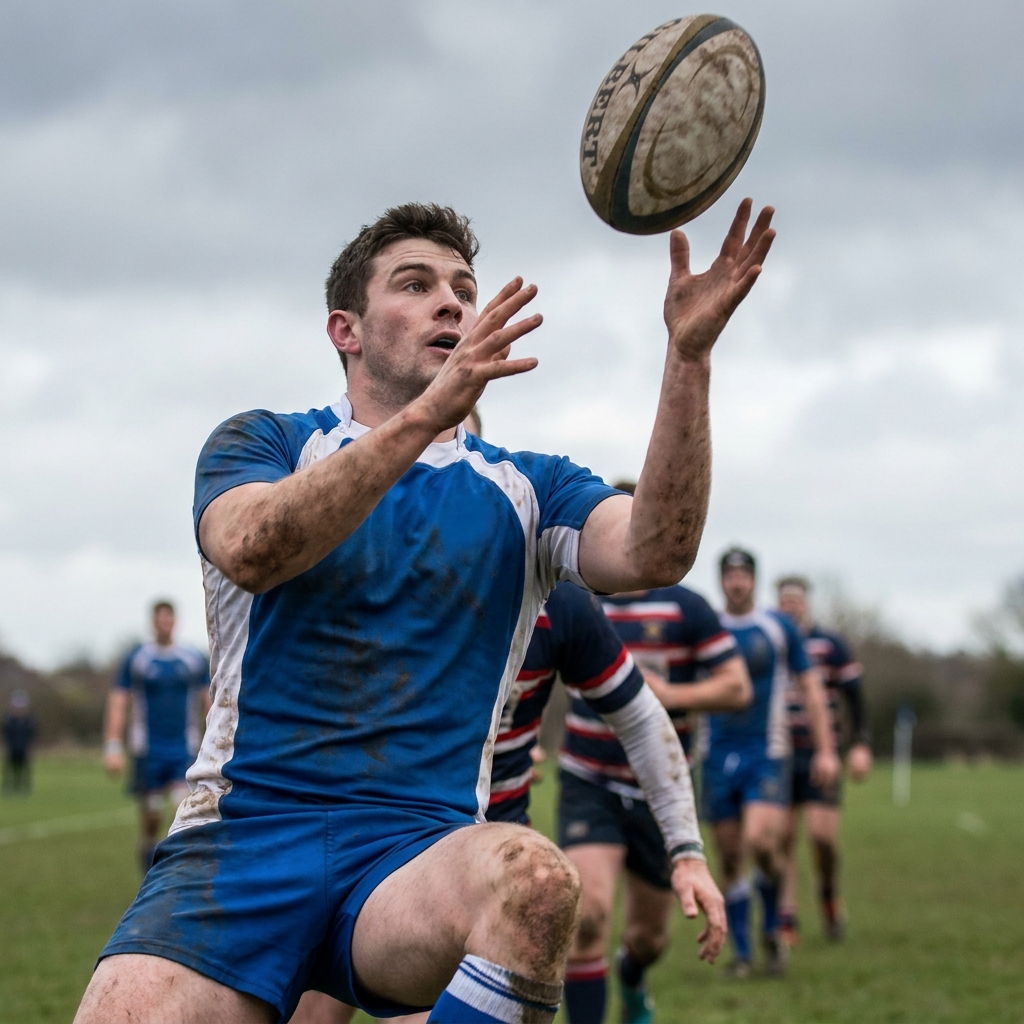
A box kick or up-and-under is only as good as the chase behind it. Here is how to organise your chase line, compete in the air safely, and make sure your own catchers are ready for what comes next.
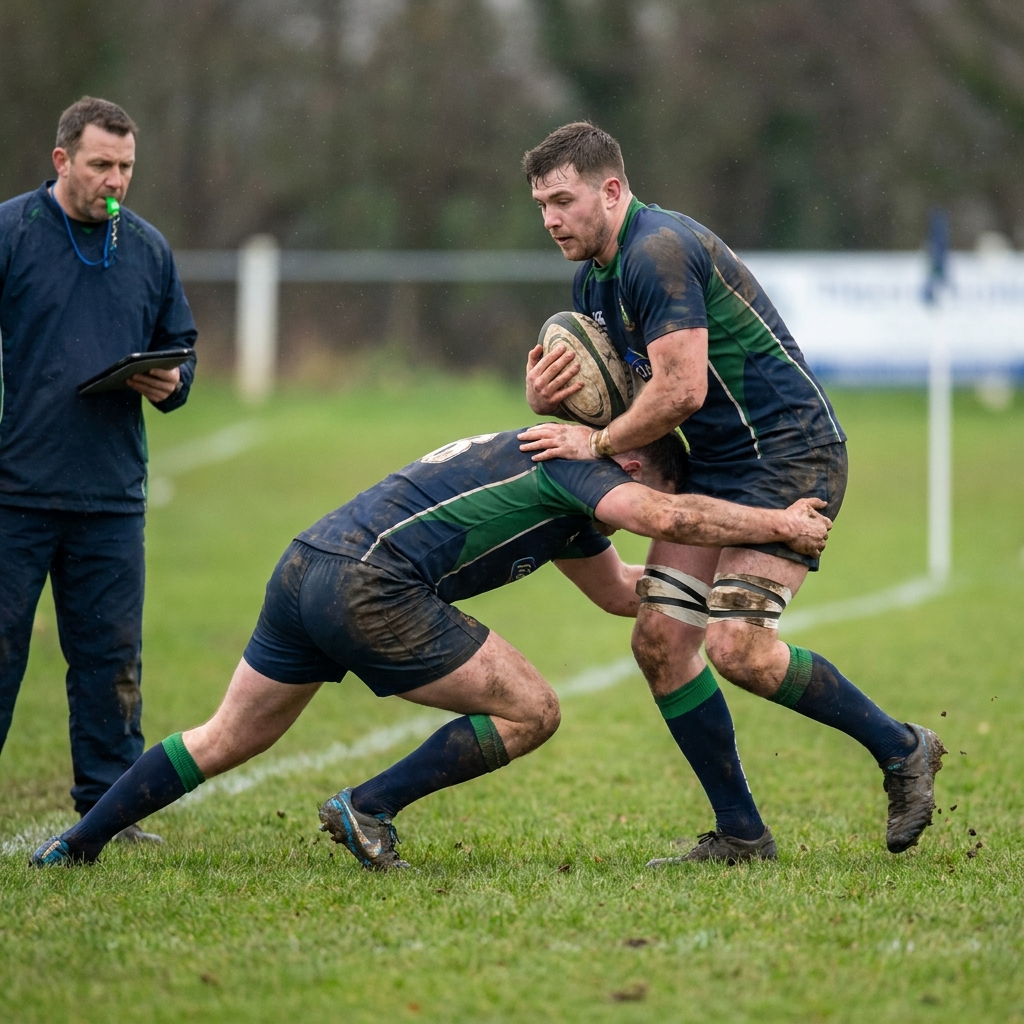
World Rugby's lower tackle height is no longer a trial. It is law in community rugby from this season, and unions choose waist or base of the sternum. Here is how to retrain your defence.