SHOOTERS (11 and 8): These players should be leading the chase and aiming to catch the kick, knock the ball back or make the initial hit.
SUPPORT (5,4, 3 and 1): These players should be coming up as a line to support SHOOTERS by setting defensive line or clearing out ruck or tidying any loose ball.
BACKS (12, 13 and 14): These players should be coming up together with 14 and 13 slightly ahead of 12 to block any wide passes/runs attempted by opposition.
SCRUM HALF (9): Should be chasing up slightly behind SUPPORT players, getting into position to play the ball if it is won or filling into the defensive line if ball is lost.
BACK FIELD (15 and 10): 15 should be set behind forwards and holding position incase the opposition kick. After kicking the ball, 10 should drop slightly to cover the other side of the field in case of return kick and to support 15. 10 should move back into position after a phase or two.

in more ways than one
 sportplan_netball


in more ways than one
sportplan_rugby

Your players can pass beautifully in a warm-up grid. Then a defender closes, their lungs are burning, and the ball goes to ground. Here is how to build catch-pass skills that hold up when it matters.
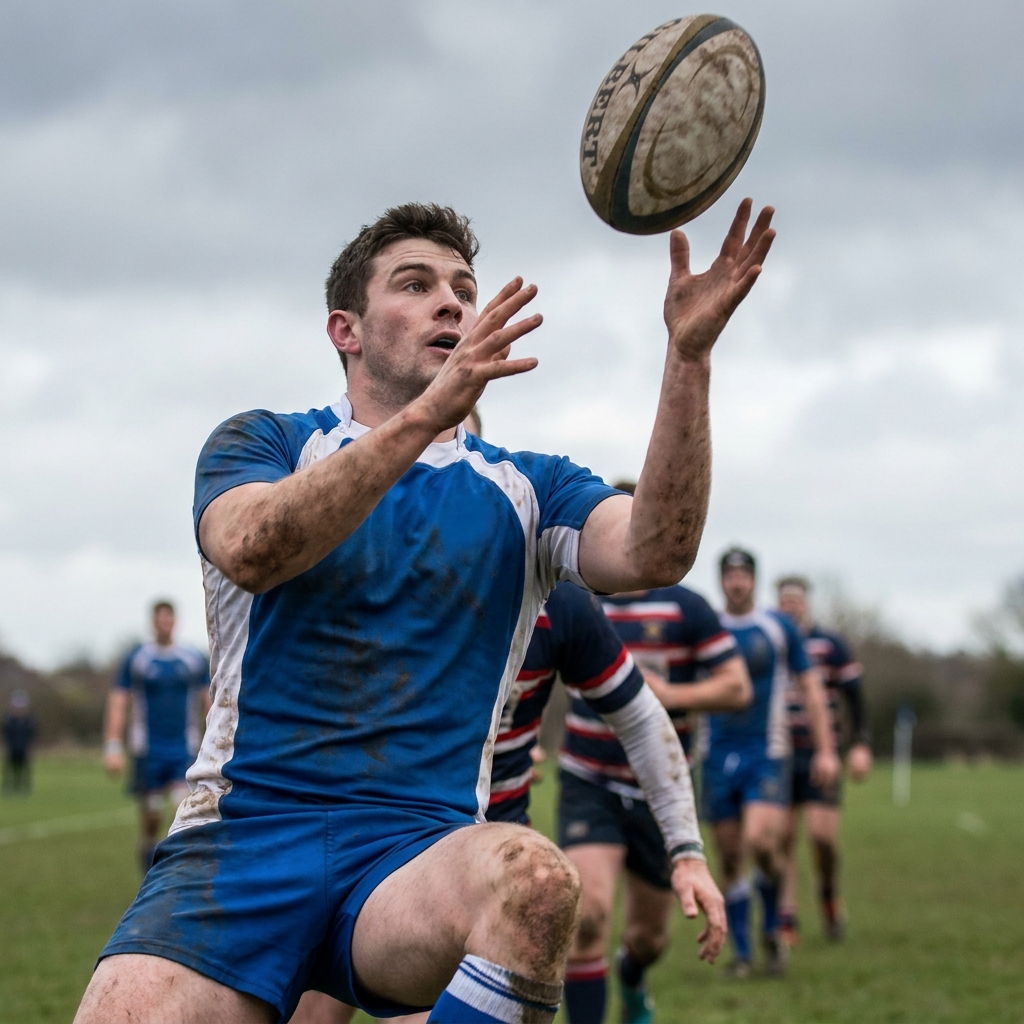
A box kick or up-and-under is only as good as the chase behind it. Here is how to organise your chase line, compete in the air safely, and make sure your own catchers are ready for what comes next.
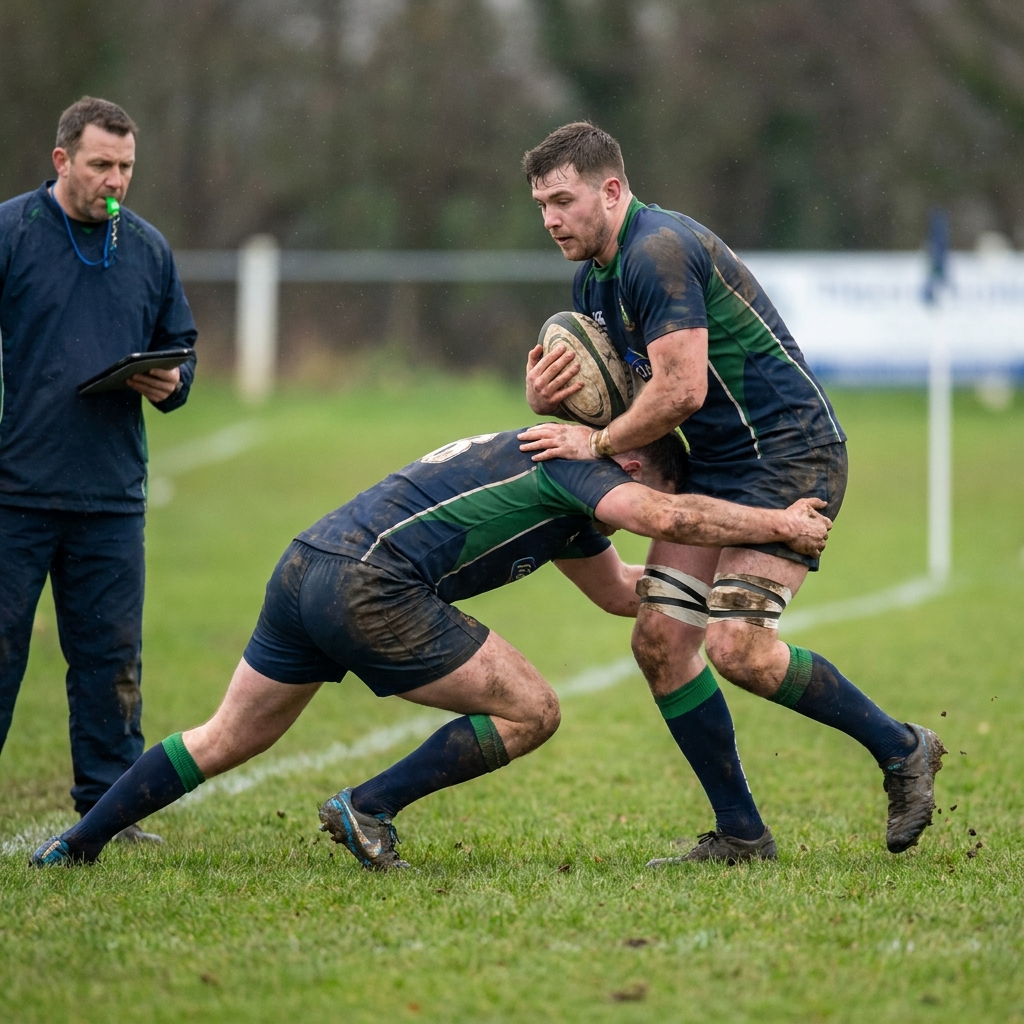
World Rugby's lower tackle height is no longer a trial. It is law in community rugby from this season, and unions choose waist or base of the sternum. Here is how to retrain your defence.