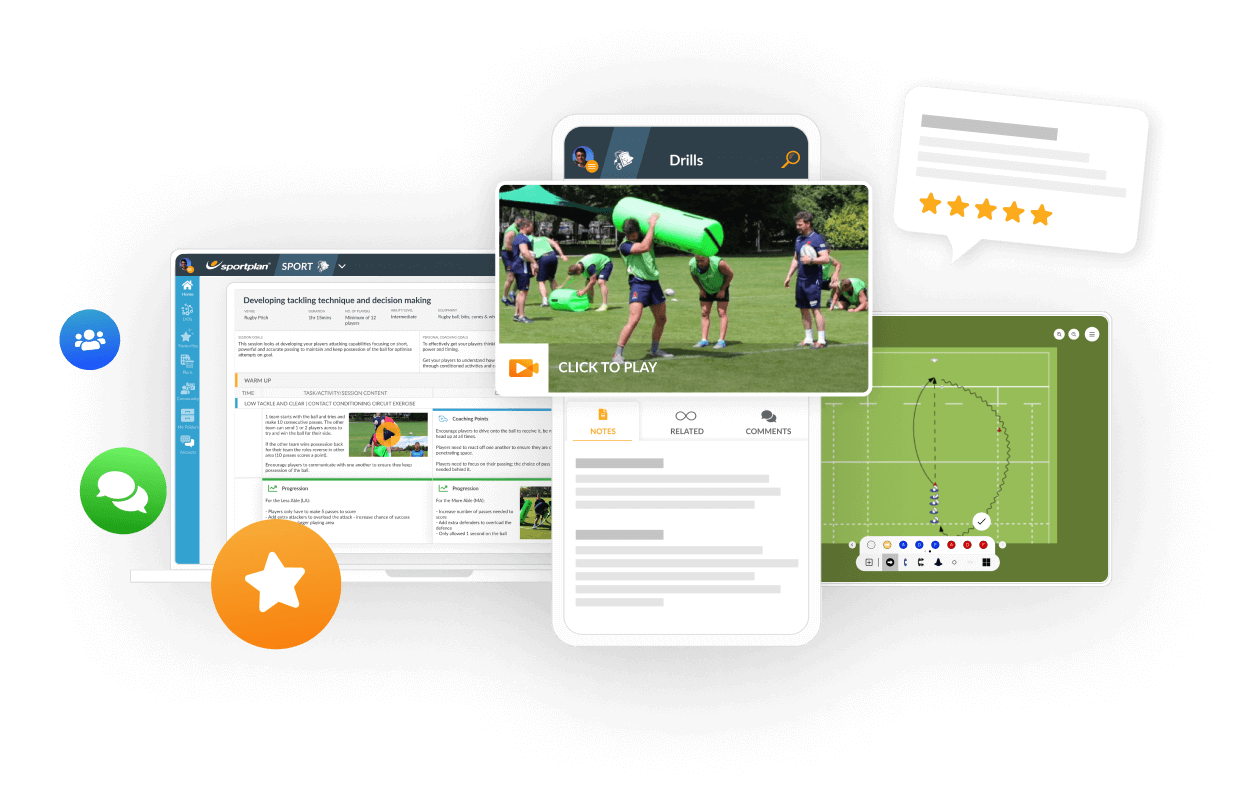
Fitness, communication, ball recovery, evasion, scanning.
Example:
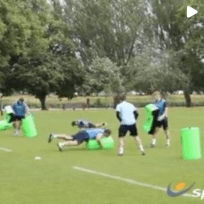
Coach B signals Red. Player on red cone from Pool B moves forward, scoops ball and attempts to score past the 22. The defender on the red cone, with early guidance from the defense support, attempts to stop the attacker scoring.
Exercise can move from simple to complicated depending on skill level of the players.
Start with basic touch for success for the defense, then progress to tackle, add support, switch pool relationship (A-A to A-B), change active area size, change ball/s position, and move coaches wider for broader field of view.
in more ways than one
 sportplan_netball
in more ways than one
sportplan_rugby
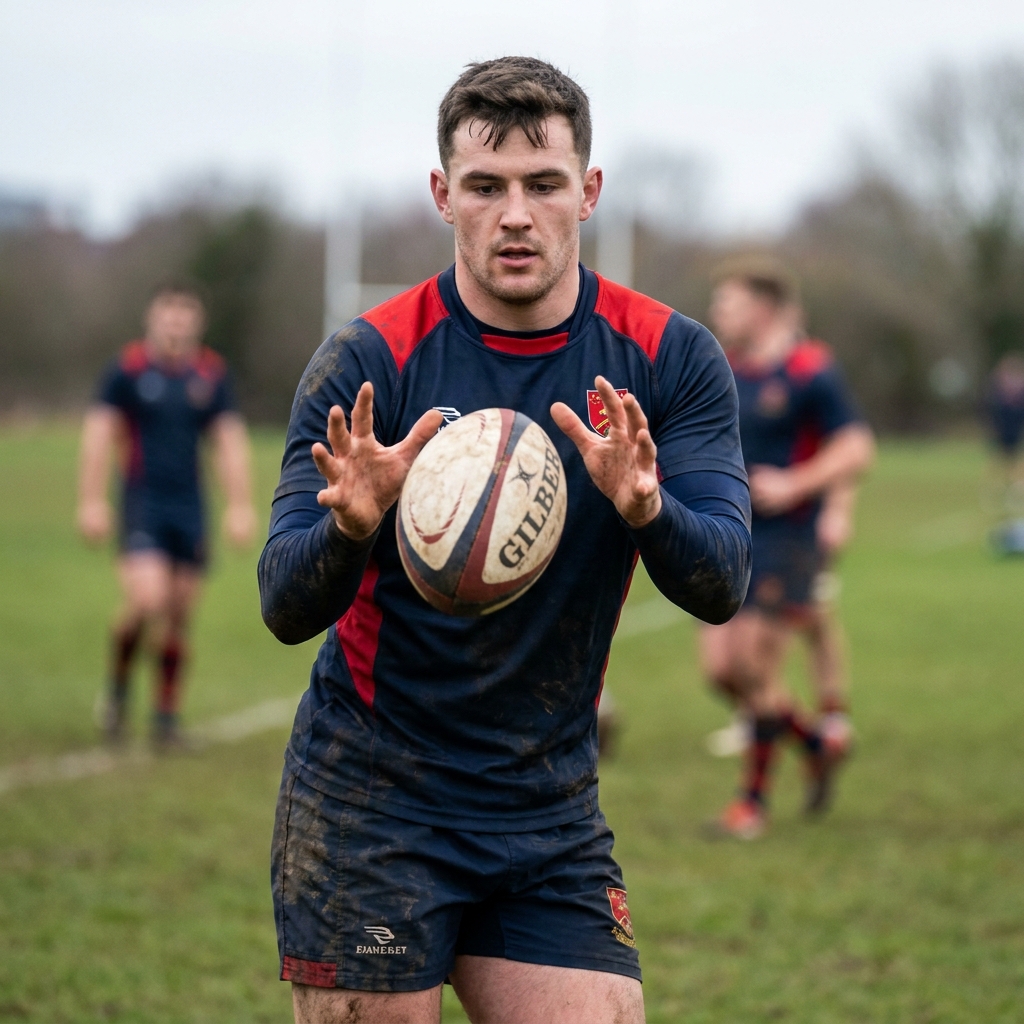
Your players can pass beautifully in a warm-up grid. Then a defender closes, their lungs are burning, and the ball goes to ground. Here is how to build catch-pass skills that hold up when it matters.
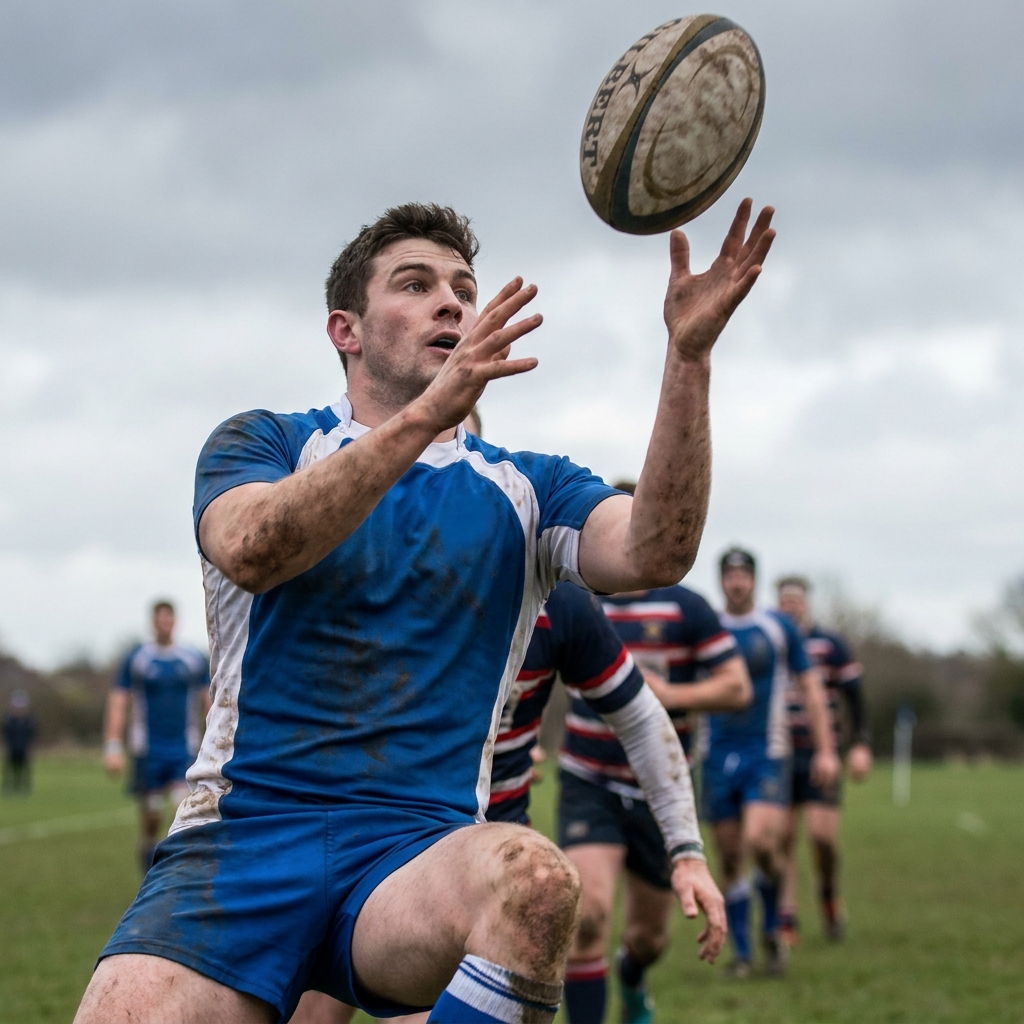
A box kick or up-and-under is only as good as the chase behind it. Here is how to organise your chase line, compete in the air safely, and make sure your own catchers are ready for what comes next.
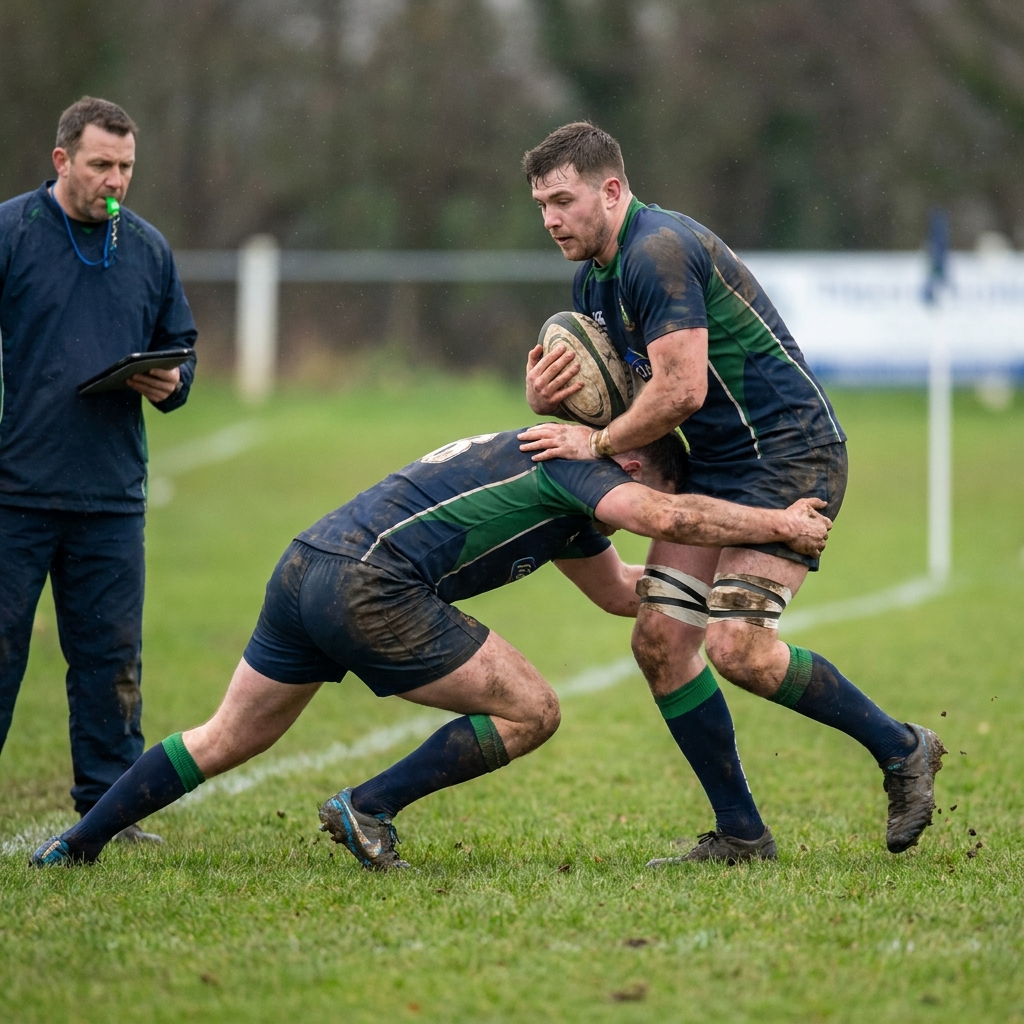
World Rugby's lower tackle height is no longer a trial. It is law in community rugby from this season, and unions choose waist or base of the sternum. Here is how to retrain your defence.