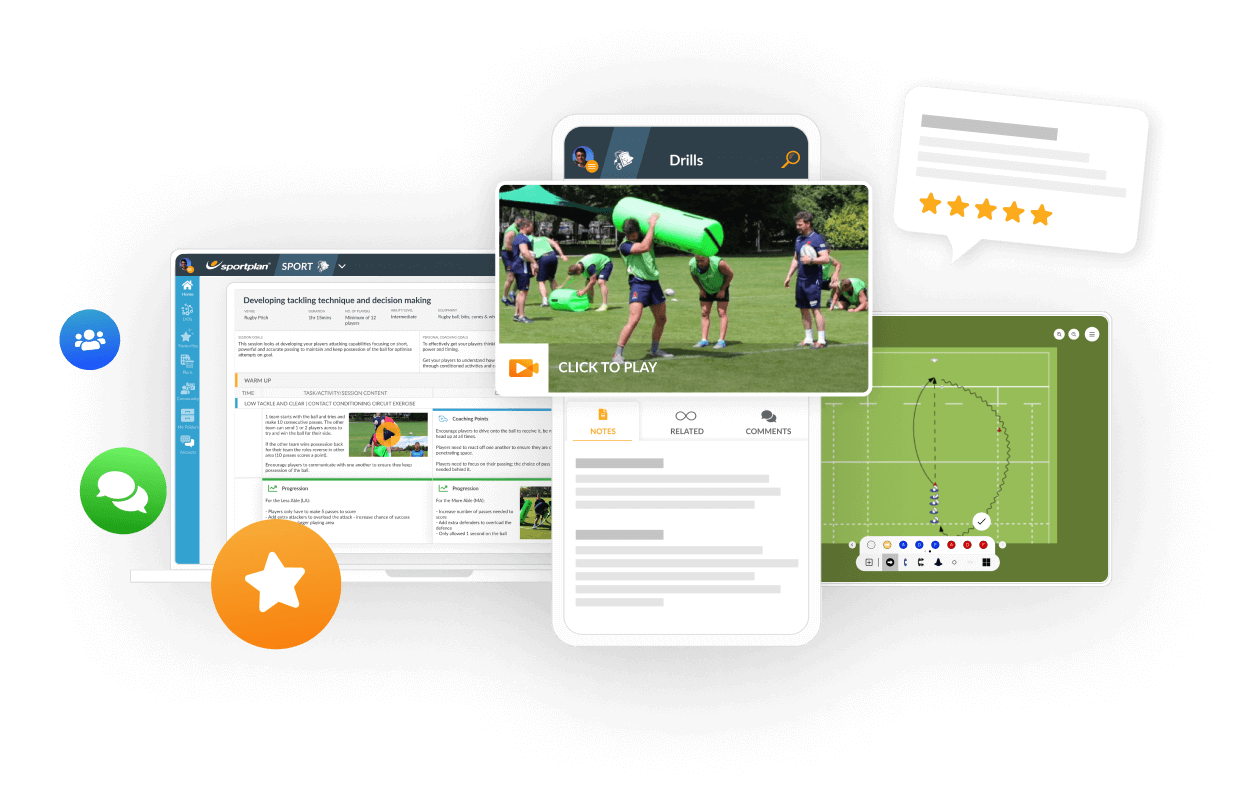
Our lineout has 2 pods-red (front) and blue (back), stretched between the 5 and 15 meter lines. The middle lifter can be part of either pod. The letters "r" and "b" used in the call stand for "red" and "blue." The numbers following the letters, "1" or "2" indicate if the jumper should step forward (1) or backwards (2). The call for "yes" or "no" will indicate either the front pod (yes) or the back pod lifting (no). For example, a call of "R1B2yes" would mean the throw would be going to the front pod (yes), who would be stepping forward (R1) to lift.

in more ways than one
 sportplan_netball
in more ways than one
sportplan_rugby
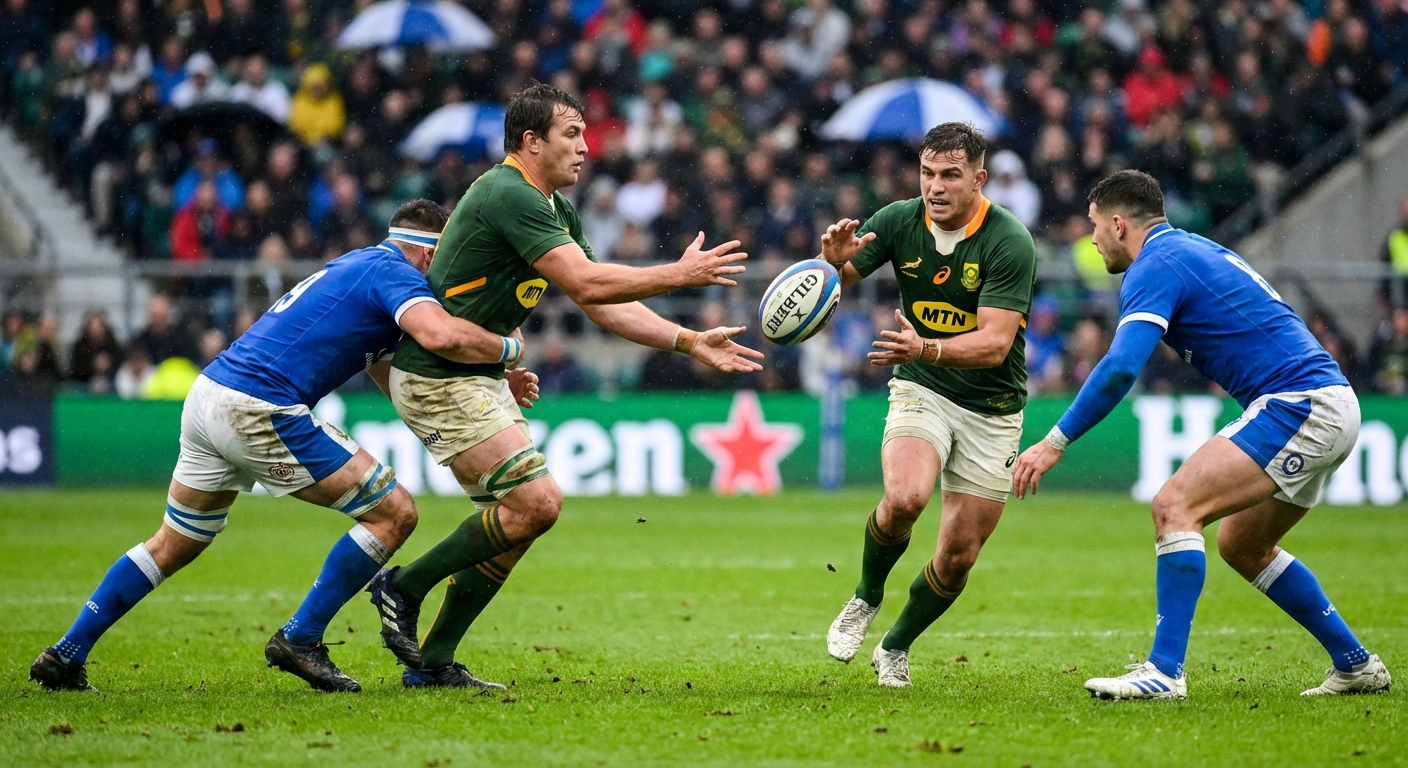
The offload is one of rugby's most devastating weapons when executed well, turning a defensive collision into a second-phase attacking opportunity. This article breaks down the technique, timing, and training progressions coaches need to develop confident offloaders at every level.
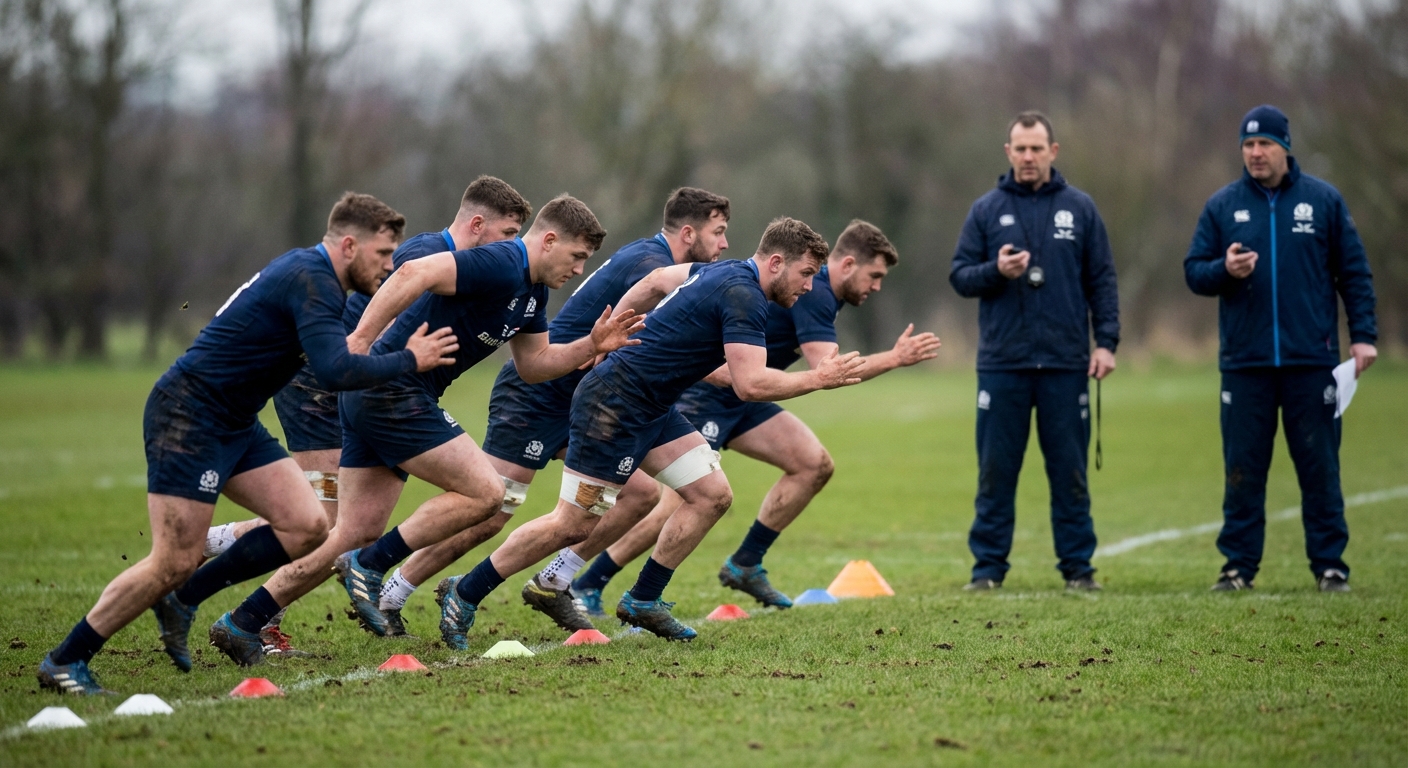
Defensive line speed is the single most important factor in shutting down attacking opportunities before they develop. This guide explores how to coach your defensive line to push up as a connected unit, communicate under pressure, and deny the opposition time and space.
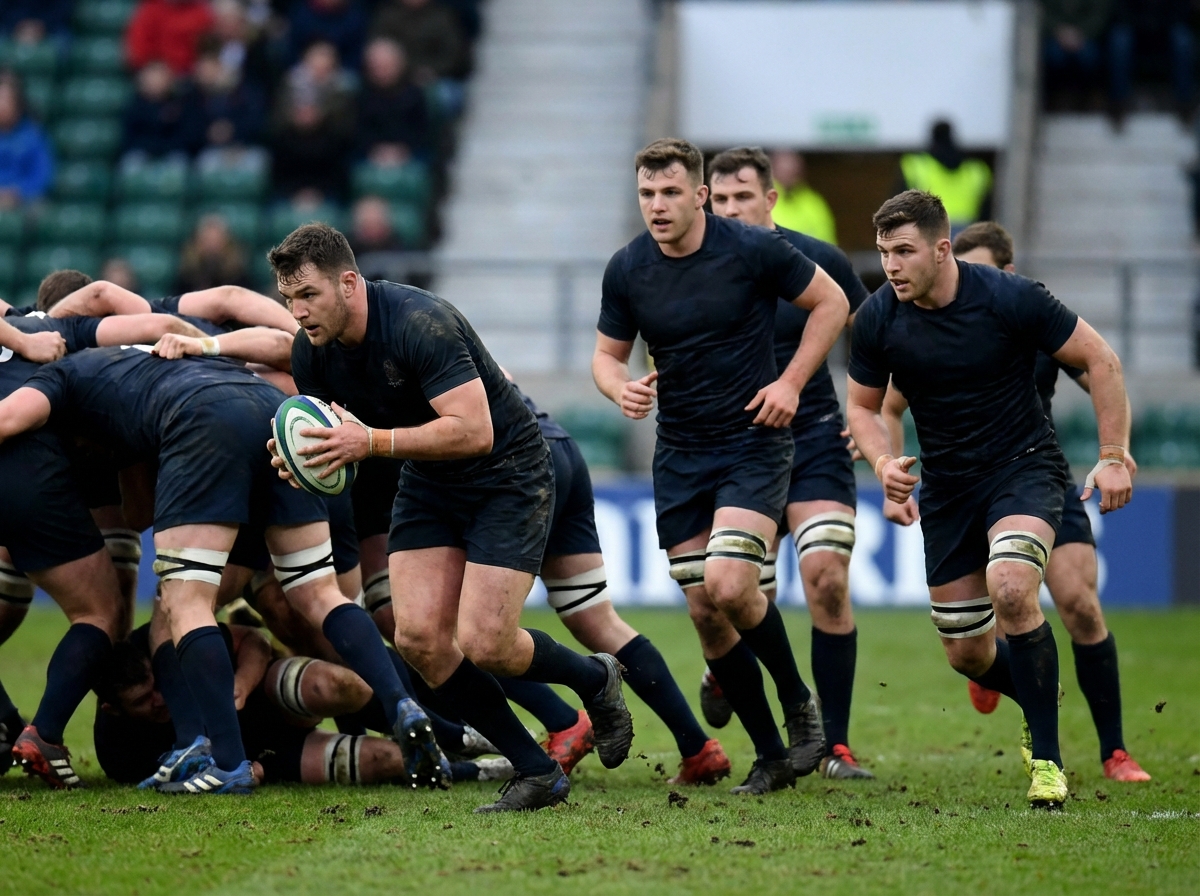
The teams winning in 2026 aren't taking risks - they're grinding out territory with relentless pick-and-go phases. Here's how to coach it.