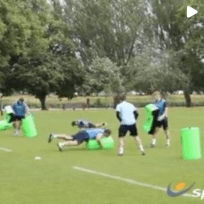
The players attacking have to get in position in a row in front of the coach
The player that defendes has to get behind the coach.
When the coach throws the ball in air, the defense chose a side (left or right)
The players attacking have to move on the opposite side of the defense,so the coach passes them the ball and they play a 3vs1 taking the lead (because the defense player has to cover more distance to takle them).
This exercise is very good to make players understand where and how attacking the space and to develop decision making, however is very articulated so it may not be reccomended for beginners.
If there are too many errors (eg. defense wins too many time or wrong movements by attack) the coach can change times of playing (eg. the defense have to lie down after chosing the side) or using cones (eg. to help attack movements).

in more ways than one
 sportplan_netball

in more ways than one
sportplan_rugby

Your players can pass beautifully in a warm-up grid. Then a defender closes, their lungs are burning, and the ball goes to ground. Here is how to build catch-pass skills that hold up when it matters.
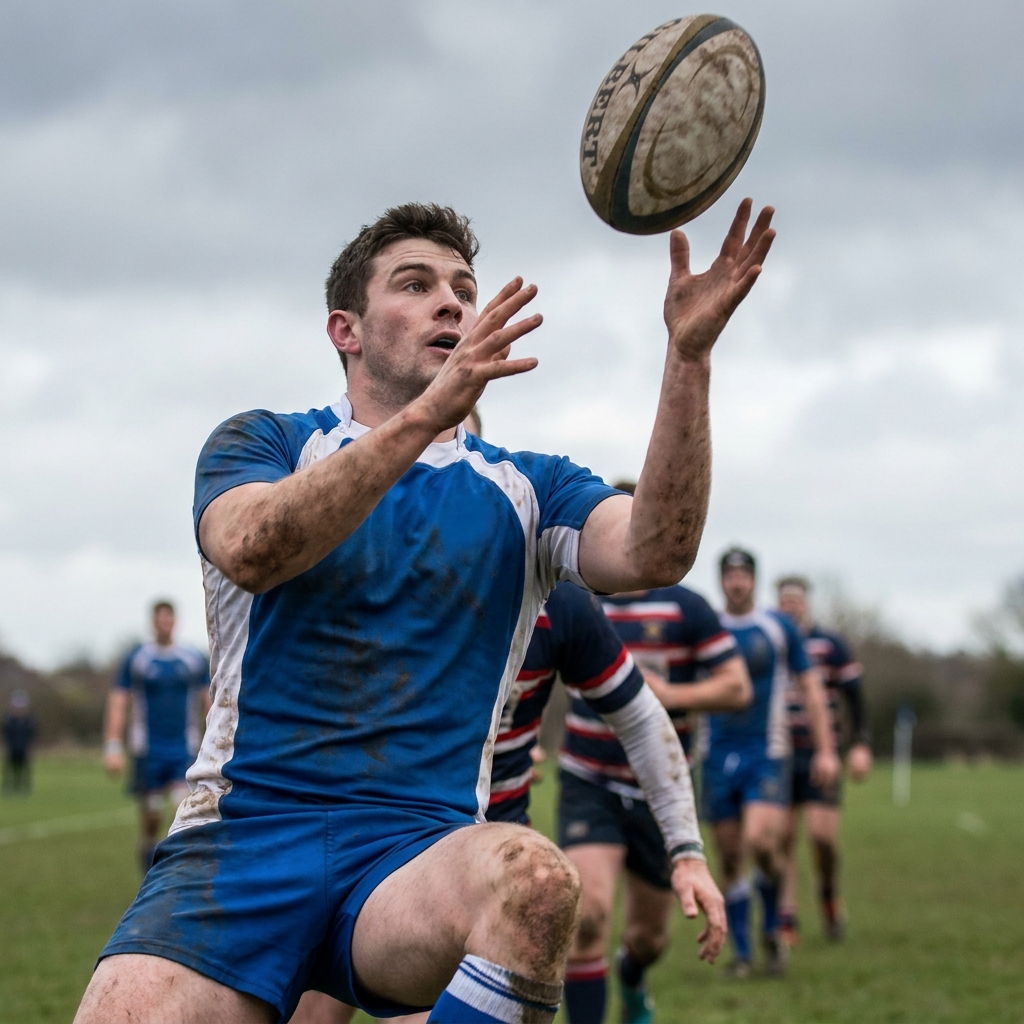
A box kick or up-and-under is only as good as the chase behind it. Here is how to organise your chase line, compete in the air safely, and make sure your own catchers are ready for what comes next.
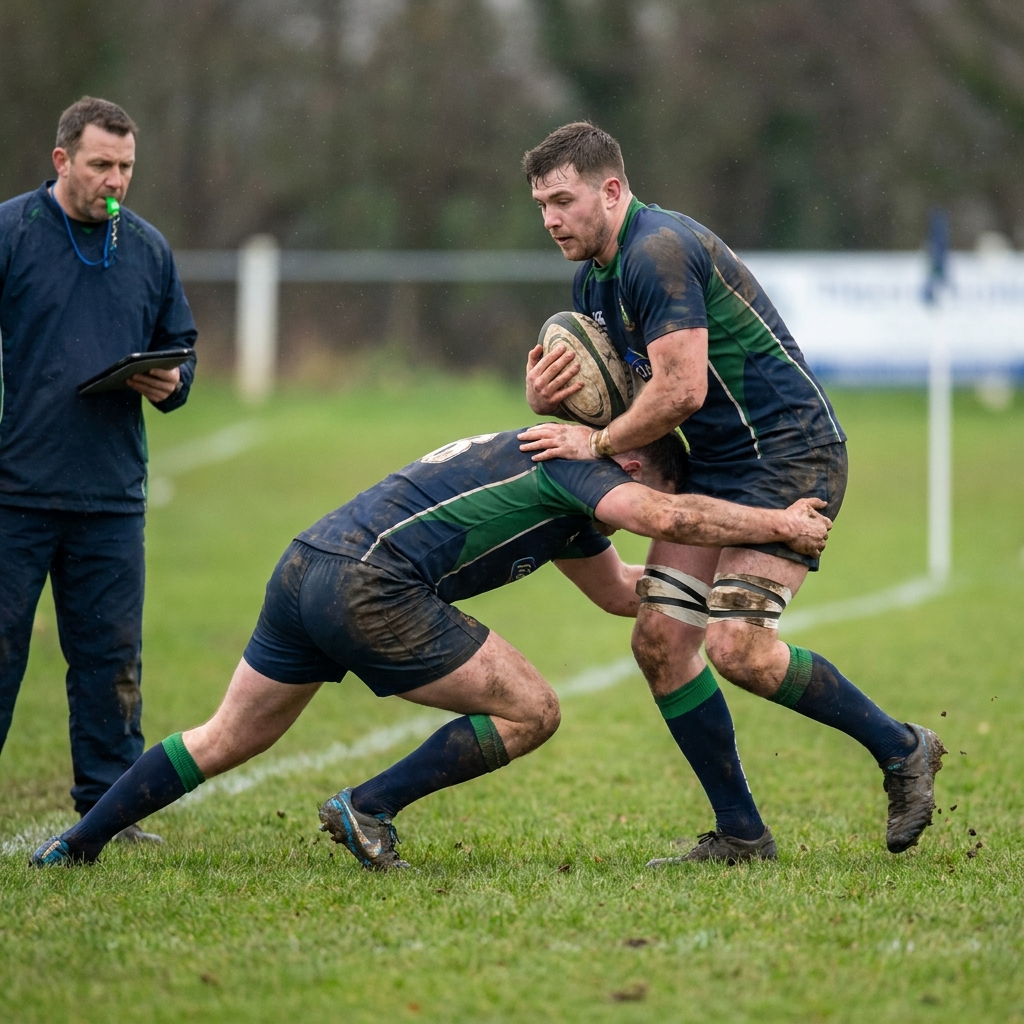
World Rugby's lower tackle height is no longer a trial. It is law in community rugby from this season, and unions choose waist or base of the sternum. Here is how to retrain your defence.