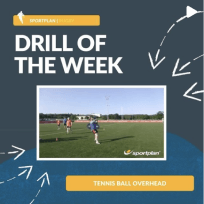
Players will all stand in a circle about 1m apart from the player next to them. One player starts with the ball and has to pass the ball to another player, which is not directly next to him. The player passing the ball is only allowed one dummy throw or fake throw. The player that he passes to has to clap his hands together before he catches the ball. That player will then pass it to another player. There are multiple ways to looses life’s in this game they include; not clapping before catching, not catching it, throwing a bad pass ie, not throwing it between the head and knees, clapping when the ball is not passed to you and passing to the person next to you. Once a player has lost a life, they go from standing to one knee on the ground, then if they loose another life they go to both knees, then both knee’s and one hand then lying down.
in more ways than one
 sportplan_netball
in more ways than one
sportplan_rugby
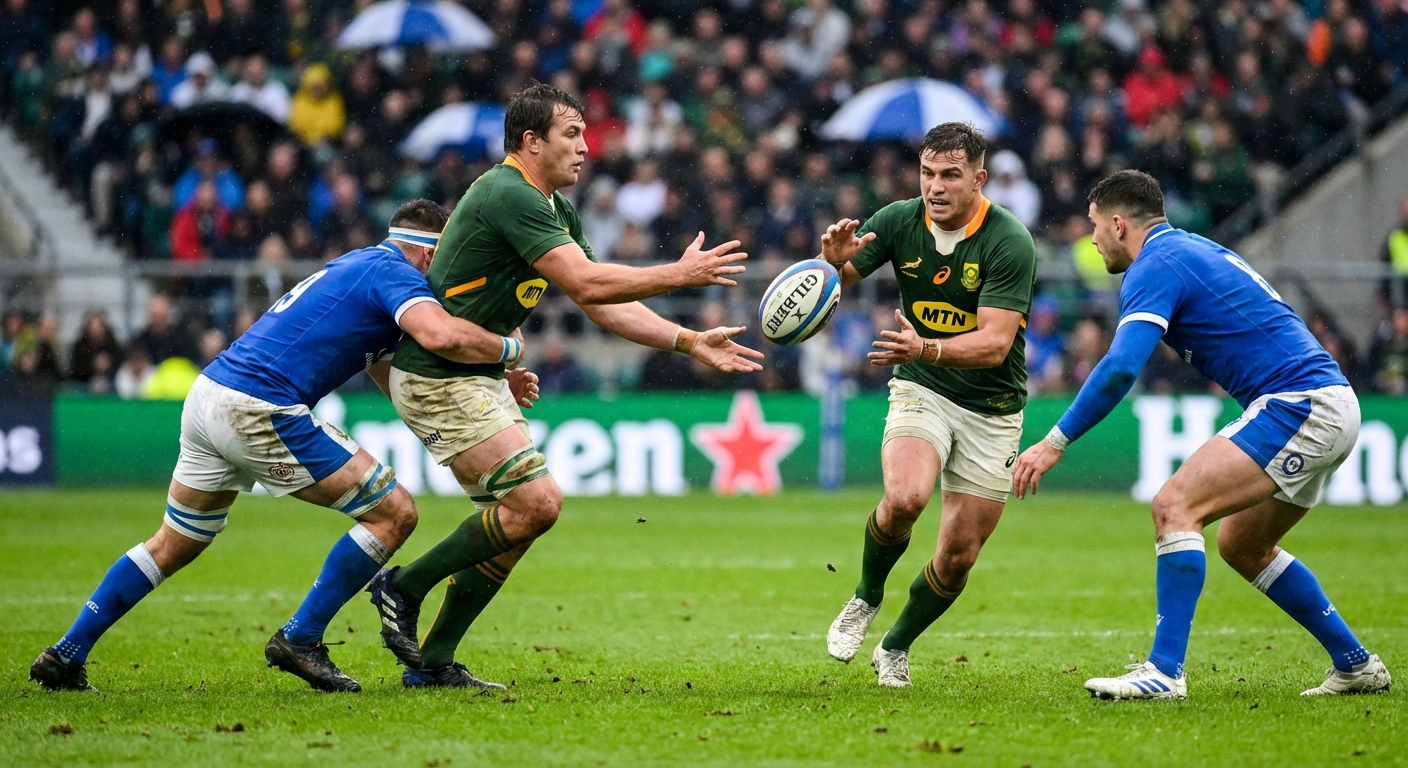
The offload is one of rugby's most devastating weapons when executed well, turning a defensive collision into a second-phase attacking opportunity. This article breaks down the technique, timing, and training progressions coaches need to develop confident offloaders at every level.
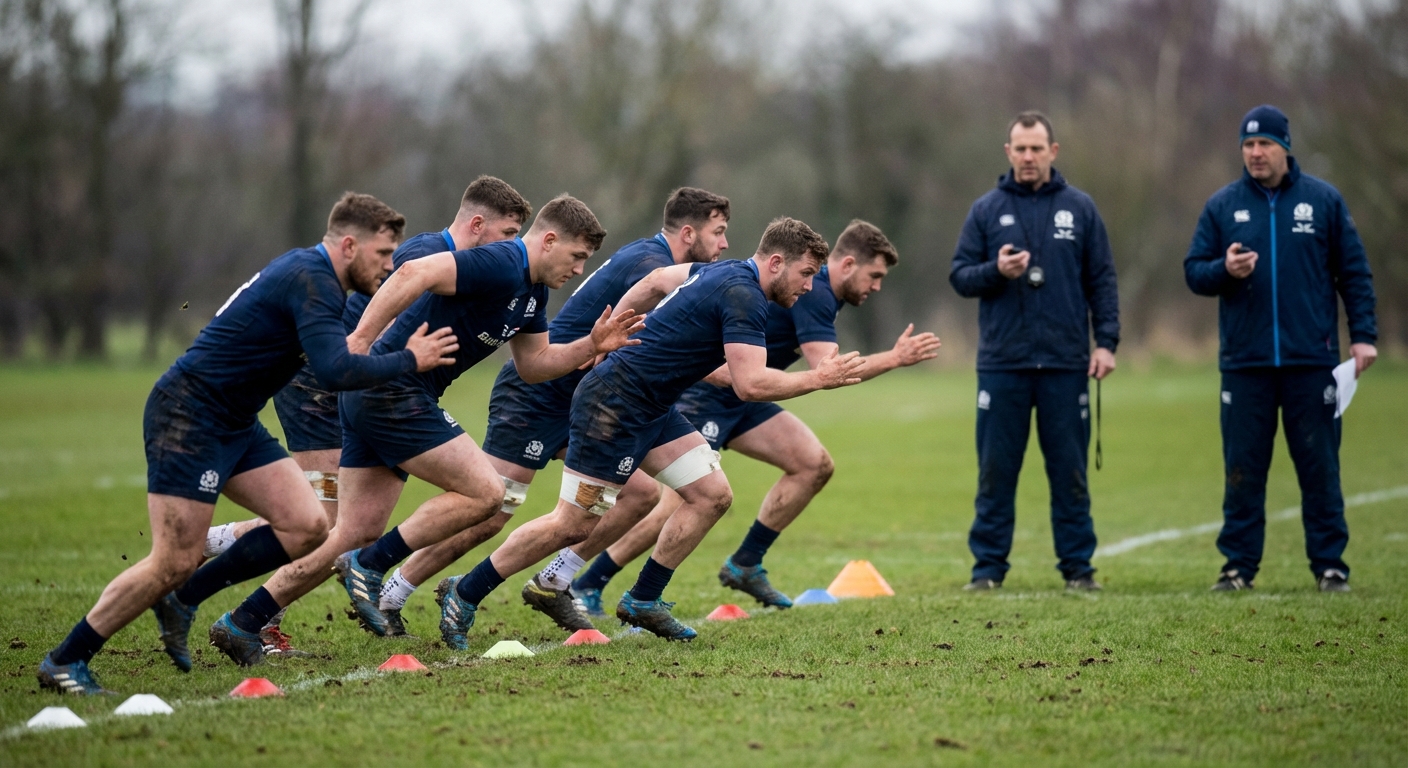
Defensive line speed is the single most important factor in shutting down attacking opportunities before they develop. This guide explores how to coach your defensive line to push up as a connected unit, communicate under pressure, and deny the opposition time and space.
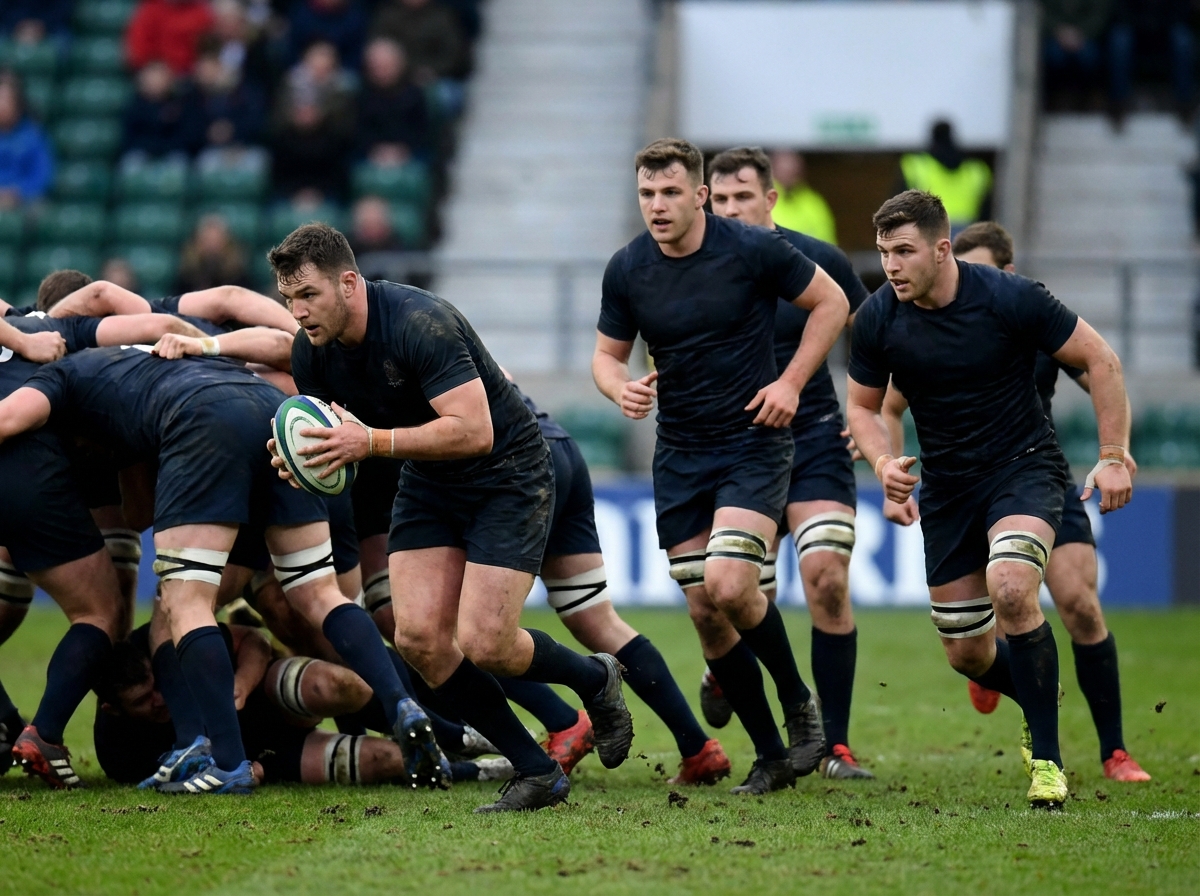
The teams winning in 2026 aren't taking risks - they're grinding out territory with relentless pick-and-go phases. Here's how to coach it.