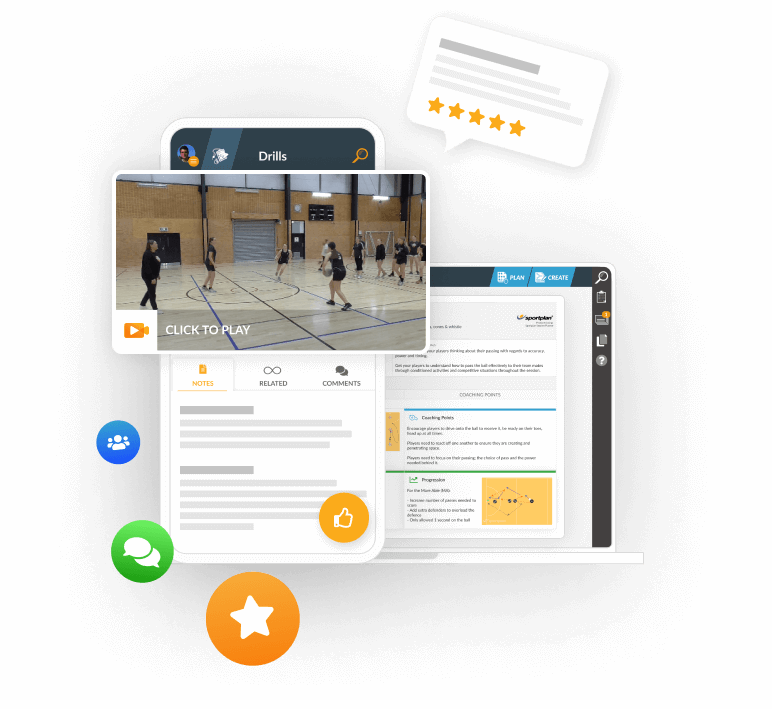
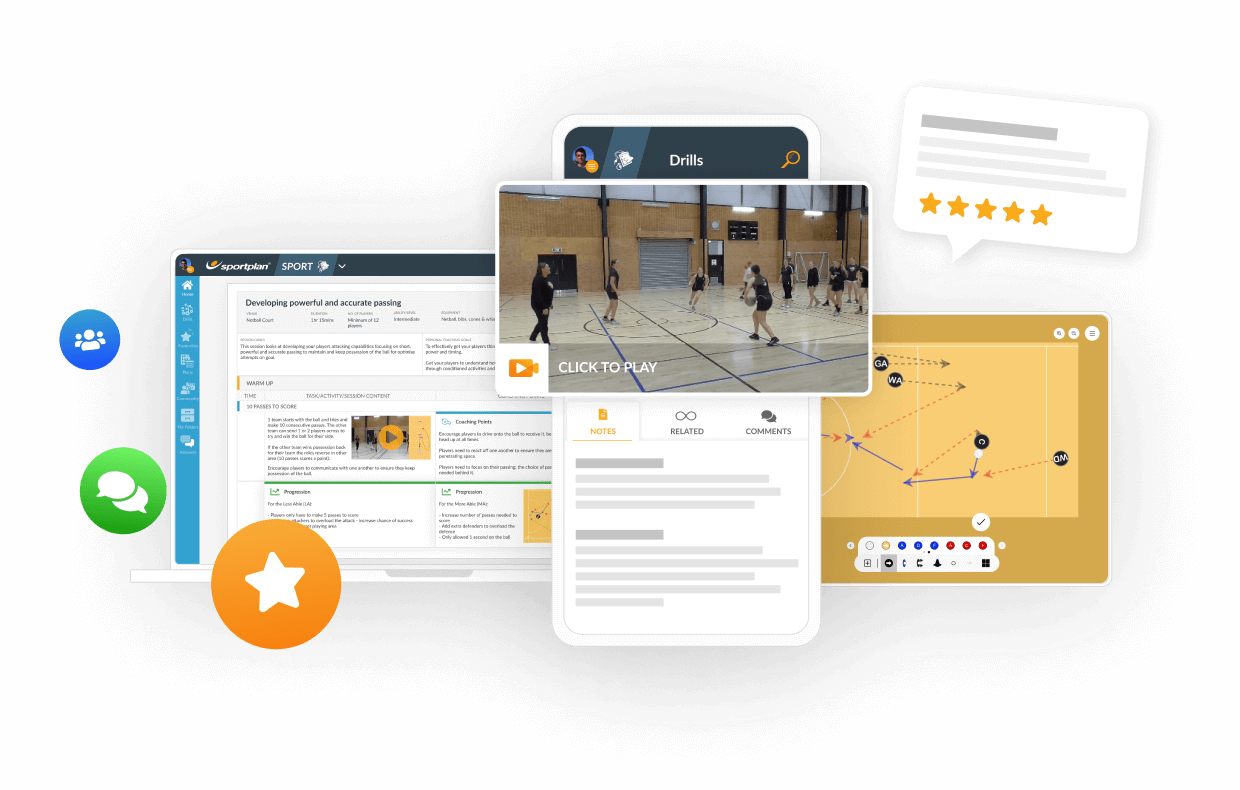
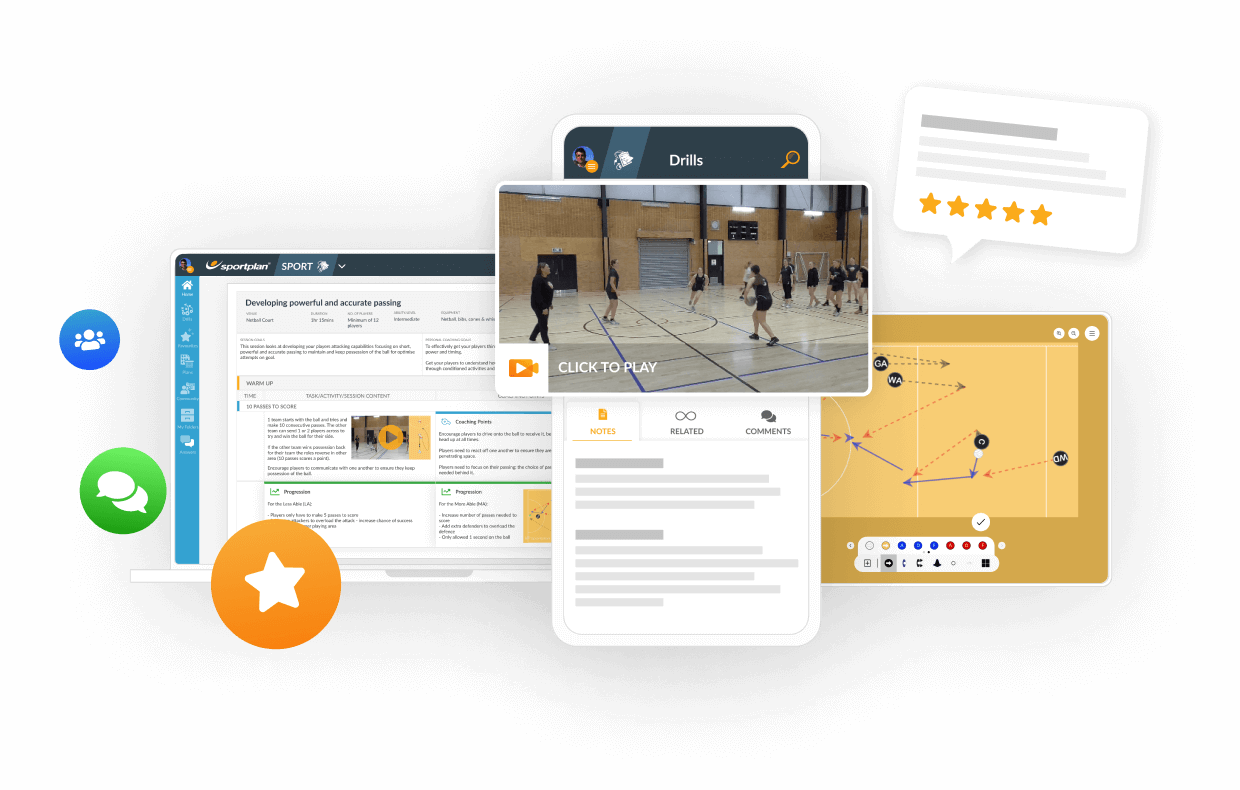
Mix up your team’s defence with this strategy/structure that relies on working as a defensive unit to shut down short, direct passes and entice opposition teams to throw higher balls into spaces that can be intercepted by your circle defender
Setup: GK/GD. back, WD, C front
Back defense, ball side player always just a little higher than non-ball side.
WD, C are just work horses and not to go for intercepts, its the back defence to have opportunities to intercept.
Force opposition pass high and long (GA to WA) so that way the defense has a go to hunt the ball.
Feeders passing the ball amounts themselves (GA, C & WA), the square moves as the ball moves.
Mid Courters shut down short passes
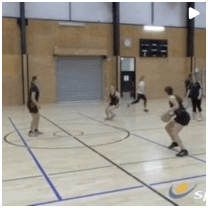
The aim of the “box” or “four” is to shut down all of the short and easy passing options to force an opposition team to lob a pass that can be read and picked off.
In a “box” or “four”, the box shifts in relation to where the ball is. The ‘front’ of the box, i.e. your WD and C, should generally be around 2-3 metres in front of the ball, and relatively close to each other (not quite able to touch hands, but not far off). Those players will need to hustle if the ball moves from side to side, to ensure they prevent easy passes from going past them.
Ideally the WD/C will be ‘offset’ – i.e. one slightly in front of the other
As this makes it more difficult for a player or pass to move through that space and gives the WD/C a better angle to the ball.
Your GD and GK also shift as the ball moves. The ballside player generally sits slightly higher in the goal circle, while the non-ballside player drops back slightly. They need to ensure they’re not marking the goal shooter directly – both should be sitting off the body on either side of the circle. Remember
A lob into the goal shooter from off the circle is a risky pass, and a chance to intercept, so you want to encourage that ball
The key to the success of the zone is to create pockets of space where the court/opposition players appear to be open, in the hope that they will throw a high ball that can be read and picked off by the GD/GK.
The WD/C must work together to shut down anything short – i.e. any WA/C drives into their space must be dealt with by stepping up and shutting down those passes and forcing the WA/C to drive into a long space, preferably deep to the pockets where the GD/GK can attempt to intercept. After moving to shut down a short option, the WD/C must quick recover back into position.
COMMUNICATION! – One of the most important elements of a zone defence is the communication between each of the players. The GD/GK must talk to each other, as well as letting the WD/C know if a goaler is driving up the middle or driving into their space. Loud communication also builds pressure on the opposition team, which may force them to make a poor passing decision.
BIG HANDS AND ARMS! – Remind your players that they should have their arms up and make themselves as ‘big’ as possible, as it will increase the pressure on the opposition and also ensure that any passes are forced higher into the air, increasing the chances that your GD/GK can get to it.
Often you’ll find that your WD/C really struggle with not ‘having a go’ at balls that are passed near them, like they would in a one on one. But if they overcommit to an intercept and don’t get the ball, the zone structure is broken and the defenders are exposed. So work with them on staying disciplined and learning to do the ‘grunt’ work out the front, to enable the GD/GK to take the glory!
in more ways than one
 sportplan_netball

in more ways than one
sportplan_netball
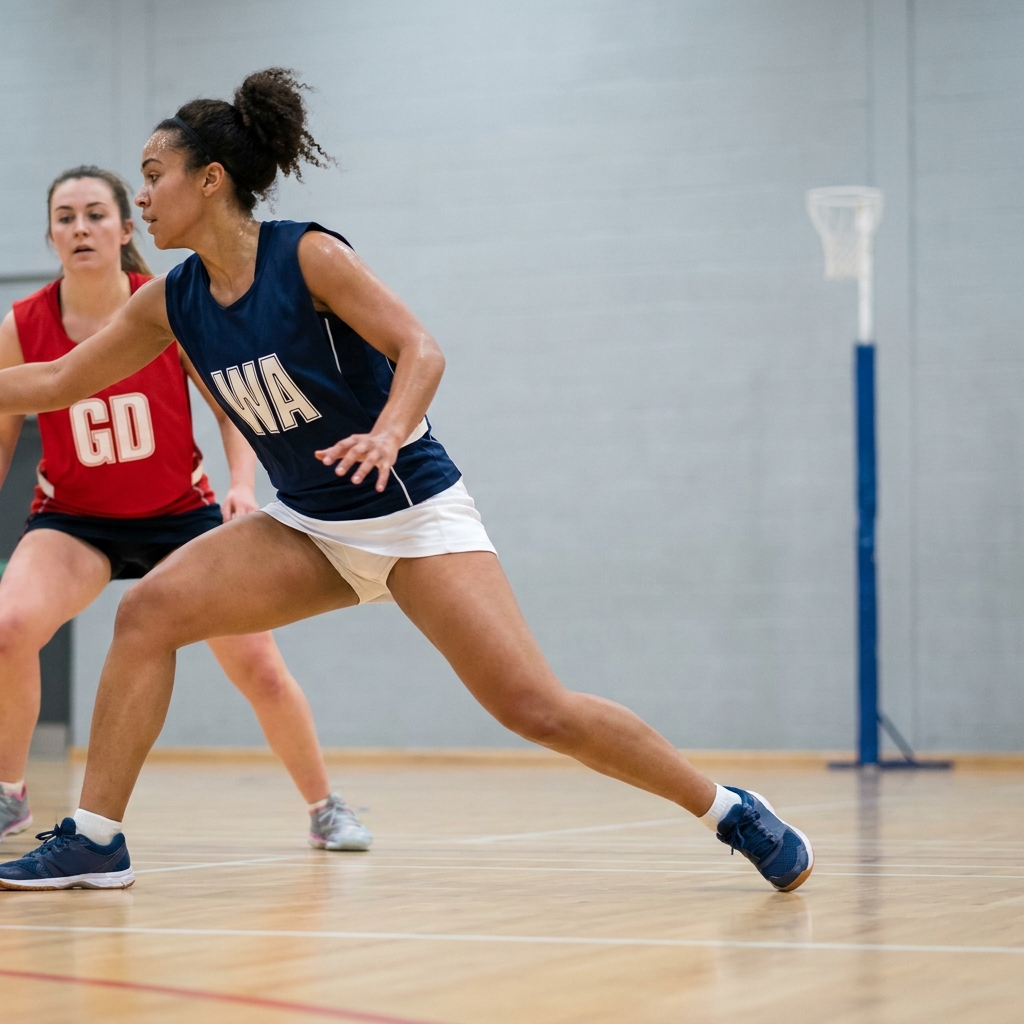
Tight markers win when attackers run in straight lines. Teach your players to dodge, change pace and time their drive so they get free when the ball is ready.
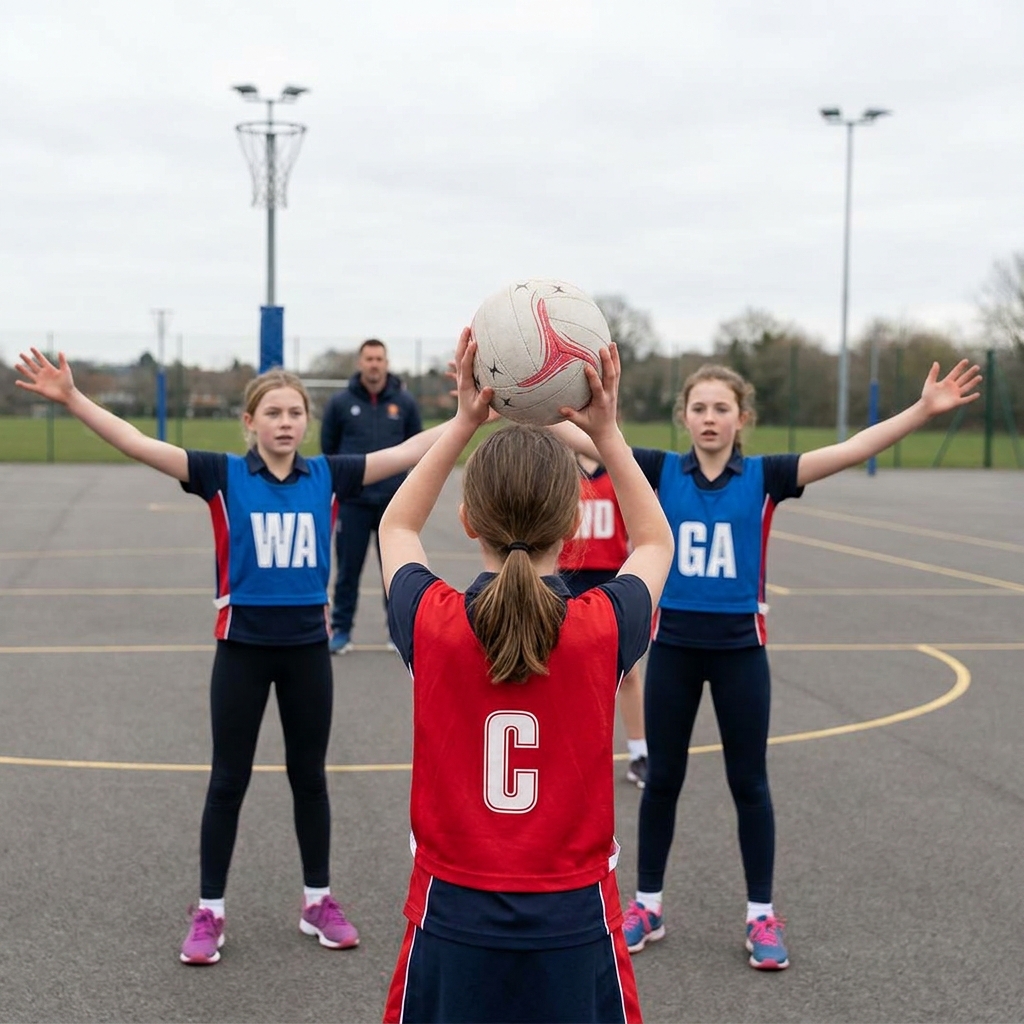
When everyone chases the ball, nobody is free. Teach your team to spread out, offer two options and clear space so the ball moves cleanly down court.
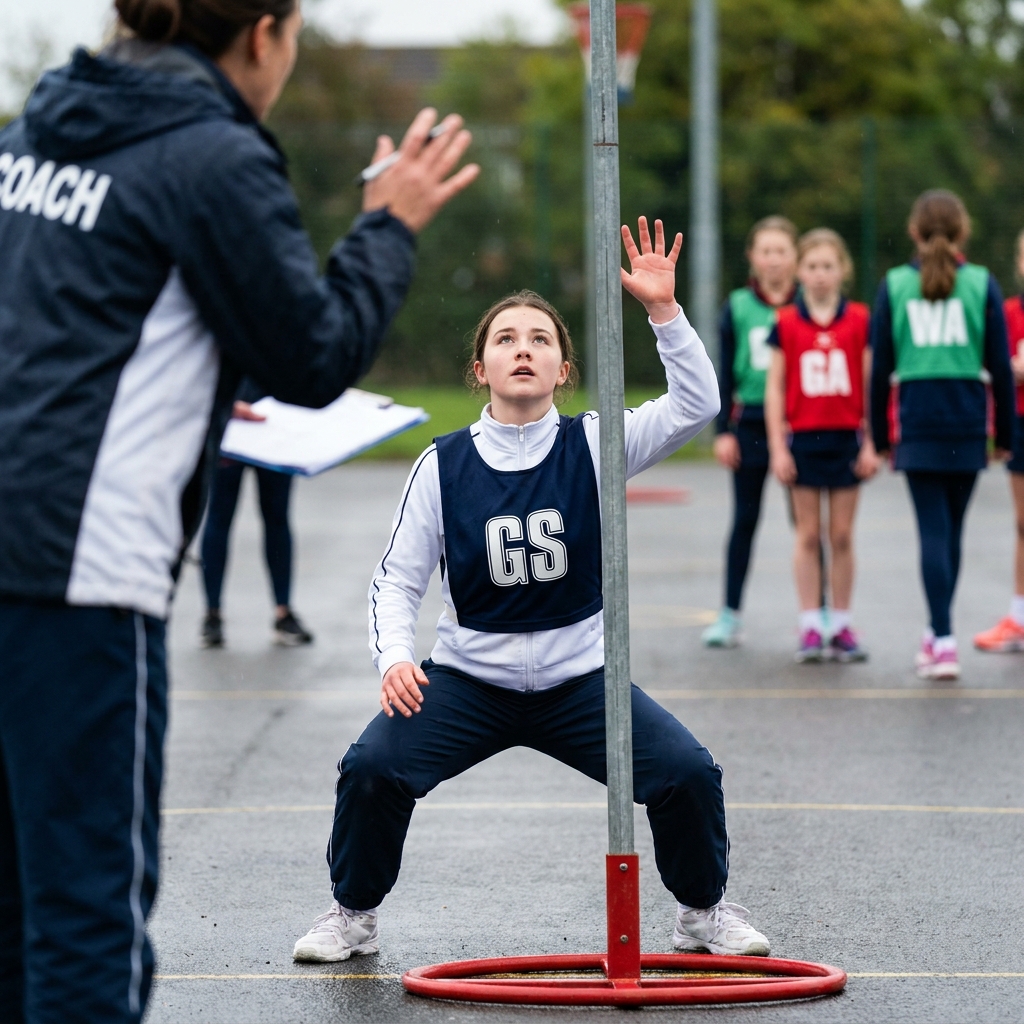
A shooter who can hold a strong position under the post is worth more than one who runs all over the circle. Here is how to coach body shape, a legal hold and a well-timed release, and how feeders make the most of it.