The cones mark out the area of the pitch, in this case the pitch will be measured out 30m by 30m. The line marked with an arrows is the area in which the teams can score.
The aim of the game is for one of the teams to catch the ball over the opposing teams try line and place it on the floor with downward pressure; players cannot move with the ball however they can pass in any direction, using any of the previously used passes or any others that may be effective. The ball cnnot hit the floor, if a team drops the ball then it is a turnover, whichever player touches the ball last before it hits the floor it is the opposing teams ball.
The players are marked out by the green and red cones, they must stay in the marked area. Once a team has scored a try it is the opposing temas ball from back on their own try line.
Participants in this drill can use a number of different techniques when passing the basll, this is laregly down to decision making and movement off the ball aswell as passing technique and execution.
in more ways than one
 sportplan_netball

in more ways than one
sportplan_netball
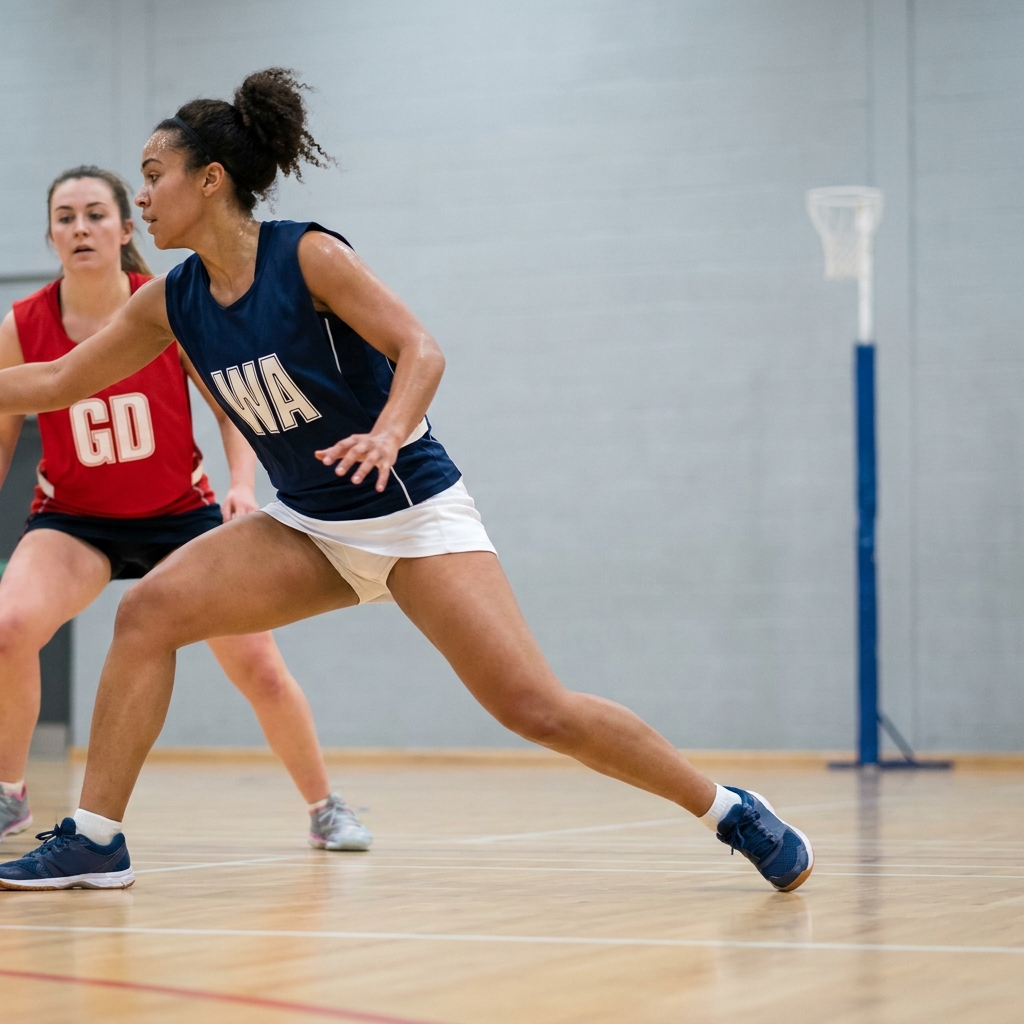
Tight markers win when attackers run in straight lines. Teach your players to dodge, change pace and time their drive so they get free when the ball is ready.

When everyone chases the ball, nobody is free. Teach your team to spread out, offer two options and clear space so the ball moves cleanly down court.
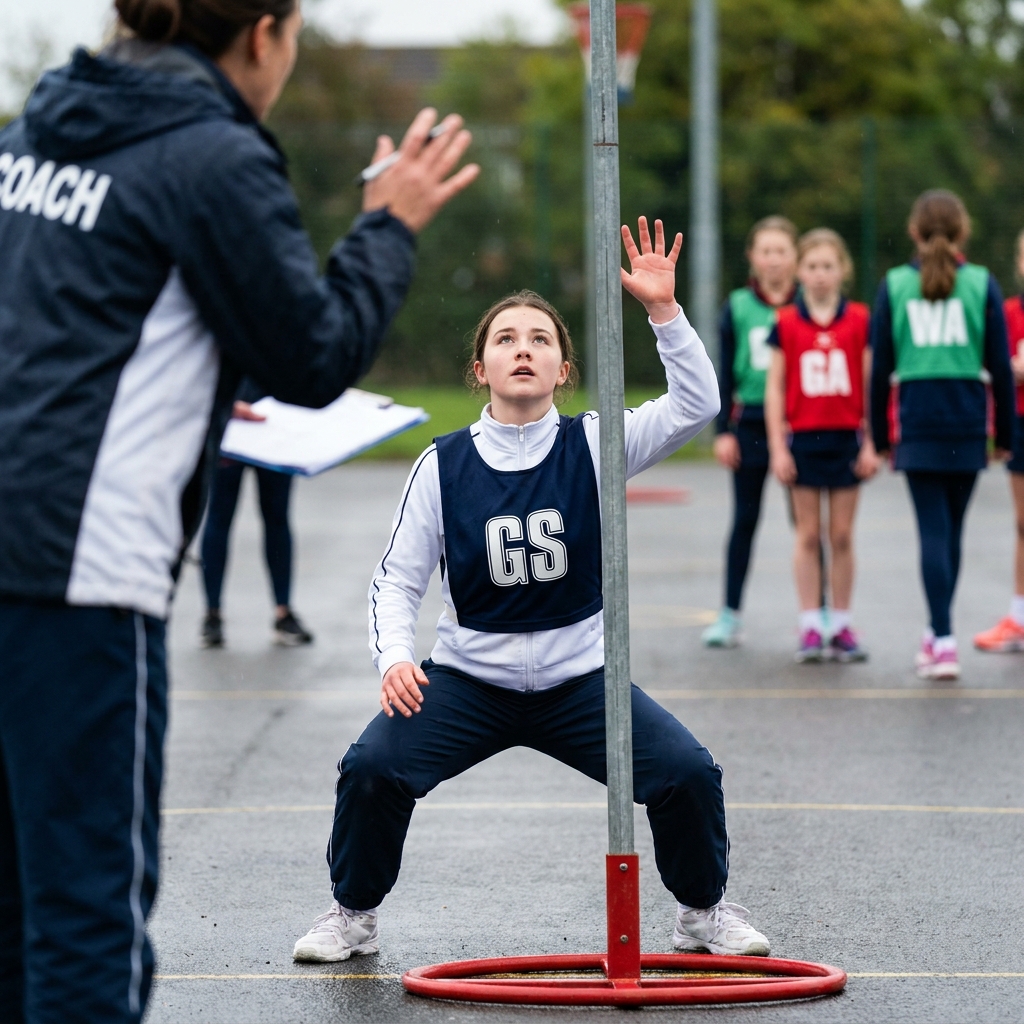
A shooter who can hold a strong position under the post is worth more than one who runs all over the circle. Here is how to coach body shape, a legal hold and a well-timed release, and how feeders make the most of it.