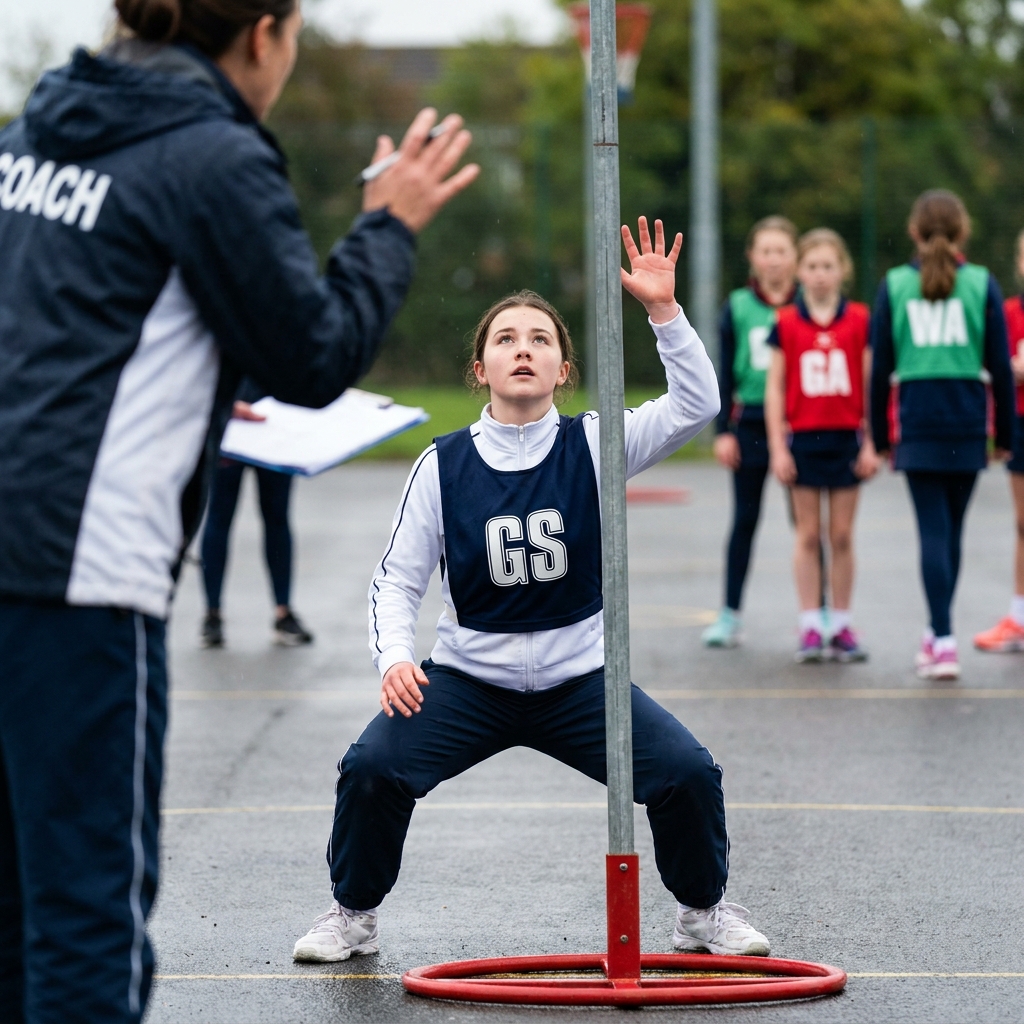
what skills do you need to be a coach
what skills did you have to learn to become a coach?


Hi Madison,
I personally like this quote and feels it sums coaching up well: âCoaching is unlocking a personâs potential to maximise their own performance. It is helping them to learn rather than teaching them.â â Sir John Whitmore. However, I below is a list of key skills needed to become a coach:
- Leadership - a coach needs to be a good leader and well respected by their athletes
- Confidence - again this will help your players respect and trust you and your decisions
- Knowledgeable - of course, it is important to know a lot about the sport and knowledge of a range of drills
- Approachable and understanding - this will help you build your coach-athlete relationships, in turn, your players will work harder for you and enjoy your being coached by you
- Consistency - you should be fair and consistent with all players regardless
- Good communication - for example if you need to drop a player, explain why and how they can improve - giving constructive feedback
- Supportive - you should always be aiding their development, not only as a player but holistically as a person
- Passionate - this will definitely rub off on your athletes and will make your sessions and team more successful
Of course there are many skills that make up a great coach and these are only a few. I think it is important coaches reflect on their own practice and continue to develop themselves, learning from different experiences and to continually better yourself.
Hope this helps.
 sportplan_netball