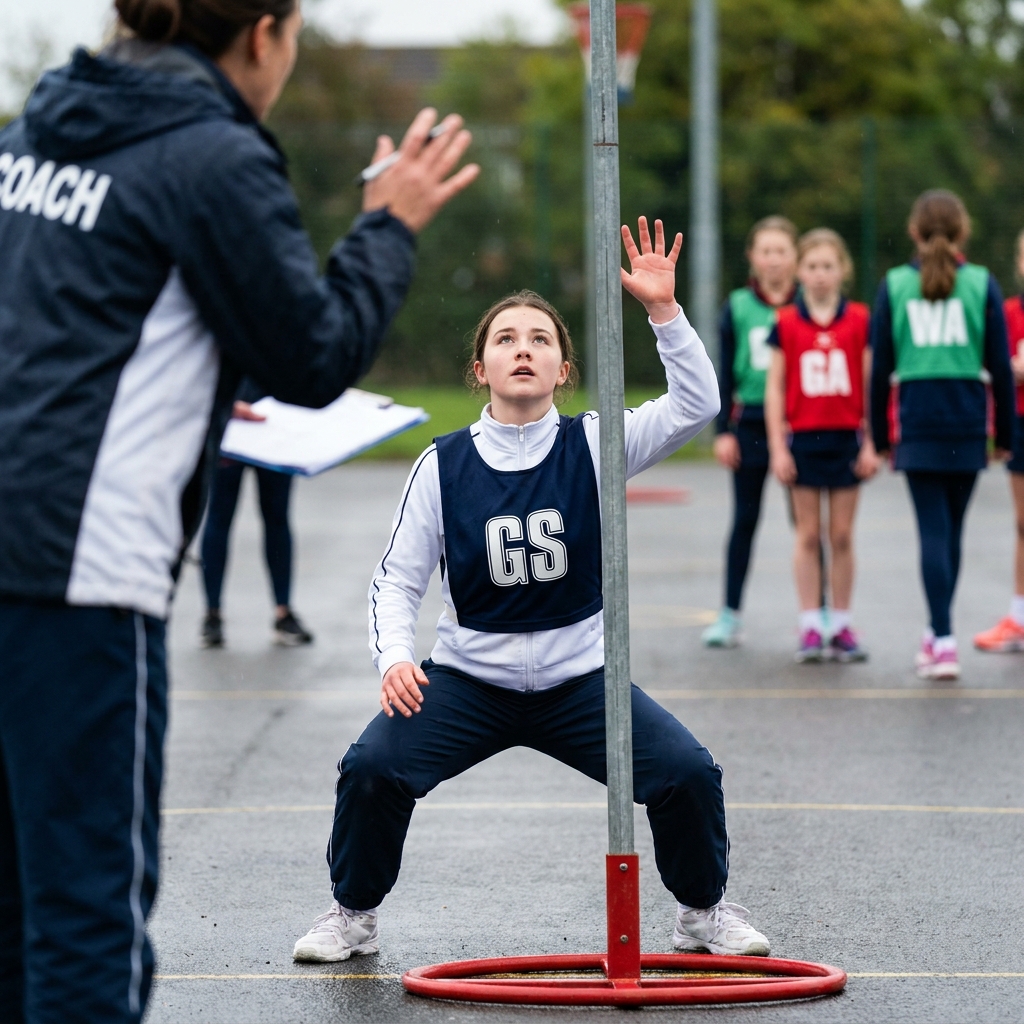
coaching two different age groups
How can you make under 13s, under 15s, and under 17s training different as some players play on more than 1 team.

Hi Chloe,
Here are some strategies to tailor netball training for each age group while considering players who participate in multiple teams:
Under 13s:
Fundamental Skills Development:
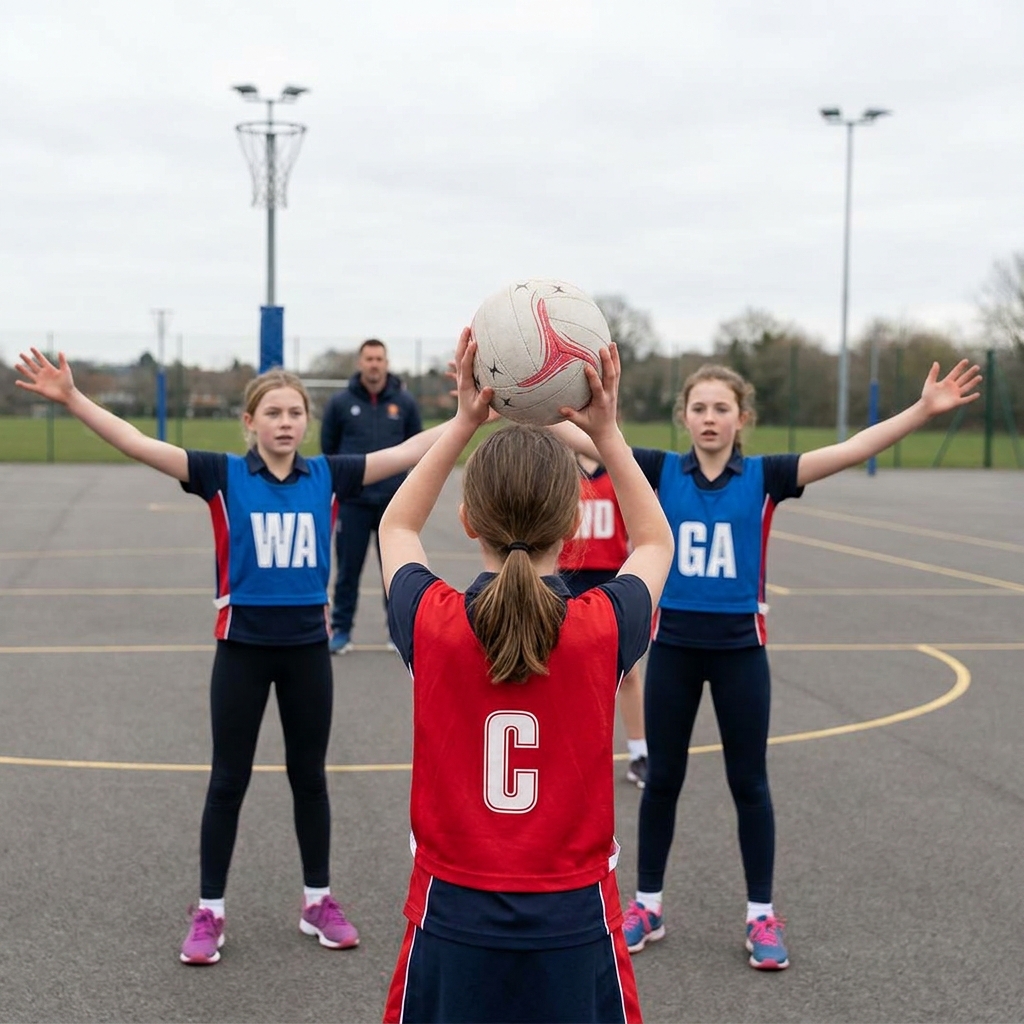
Emphasize basic skills such as passing, catching, footwork, and shooting. Ensure that players have a strong foundation before progressing to more advanced techniques.
Game Understanding:
Introduce basic netball rules and game strategies. Focus on positioning, court awareness, and teamwork.
Engaging Drills:
Use fun and interactive drills to keep younger players engaged. Incorporate games and activities that promote skill development in an enjoyable way.
Shorter Sessions:
Keep training sessions relatively short to accommodate the attention span of younger players. Break down complex skills into manageable steps.
Positive Reinforcement:
Provide positive feedback and encouragement. Boosting confidence is crucial at this stage, and positive reinforcement helps create a positive learning environment.
Under 15s:
Skill Progression:
Build upon the fundamental skills introduced at the under 13 level. Start incorporating more advanced techniques in passing, defensive strategies, and shooting.
Tactical Understanding:
Introduce more complex game tactics and strategies. Help players understand the importance of different positions on the court and how they contribute to team success.
Increased Conditioning:
Implement more comprehensive fitness and conditioning drills to enhance endurance and strength. Netball involves a significant amount of running and agility, and players should be prepared for the physical demands.
Position-Specific Training:
Tailor some drills to specific playing positions. This helps players understand their roles and responsibilities within the team.
Under 17s:
Advanced Skills and Tactics:
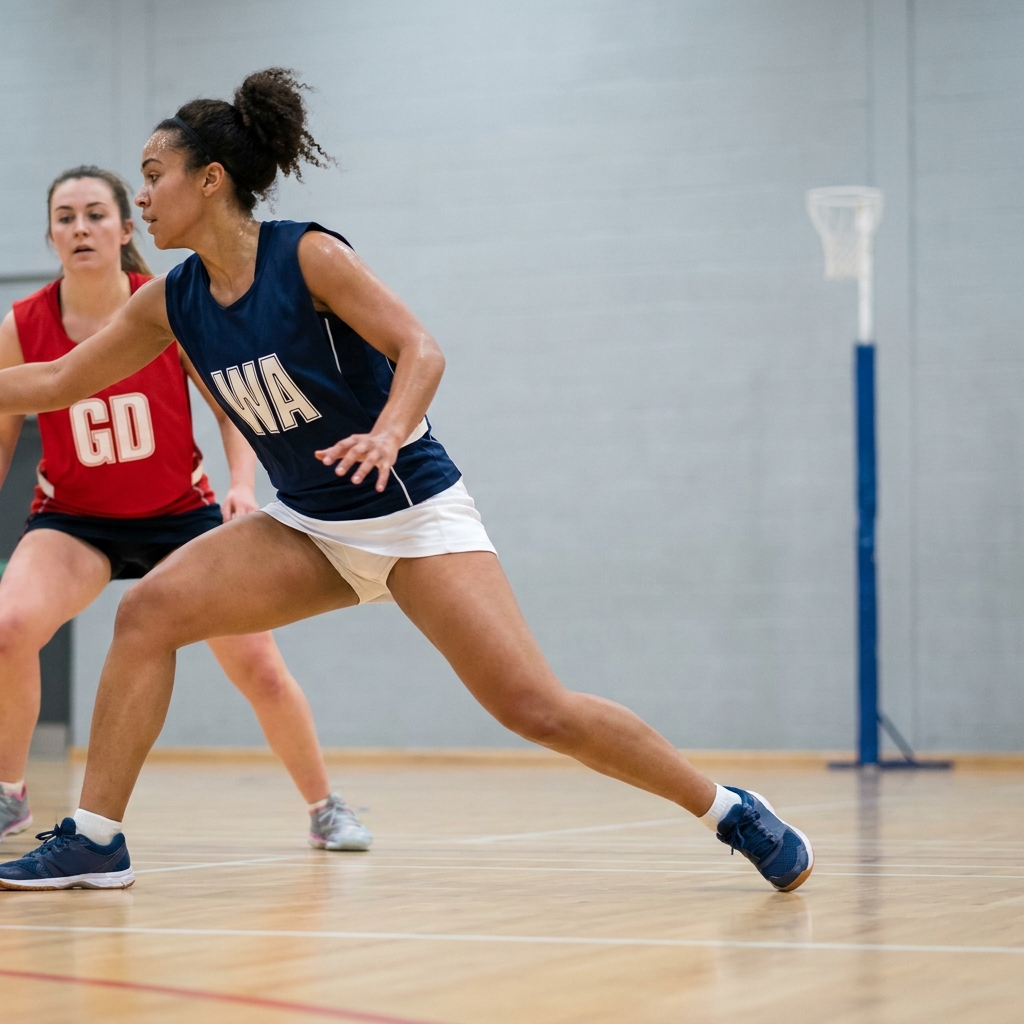
Focus on refining and mastering advanced skills such as feints, dodges, and more sophisticated defensive strategies. Enhance players' tactical understanding of the game.
Game Simulation:
Incorporate realistic game scenarios into training sessions. This helps players develop decision-making skills under pressure.
Individualized Training Plans:
Recognize that players at this level may have specific strengths and weaknesses. Provide individualized training plans to address areas for improvement.
Leadership Development:
Encourage leadership skills within the team. Older players can take on mentoring roles for younger teammates, fostering a sense of responsibility and team cohesion.
Goal Setting:
Work with players to set individual and team goals. This can motivate players to push themselves and contribute to a sense of achievement.
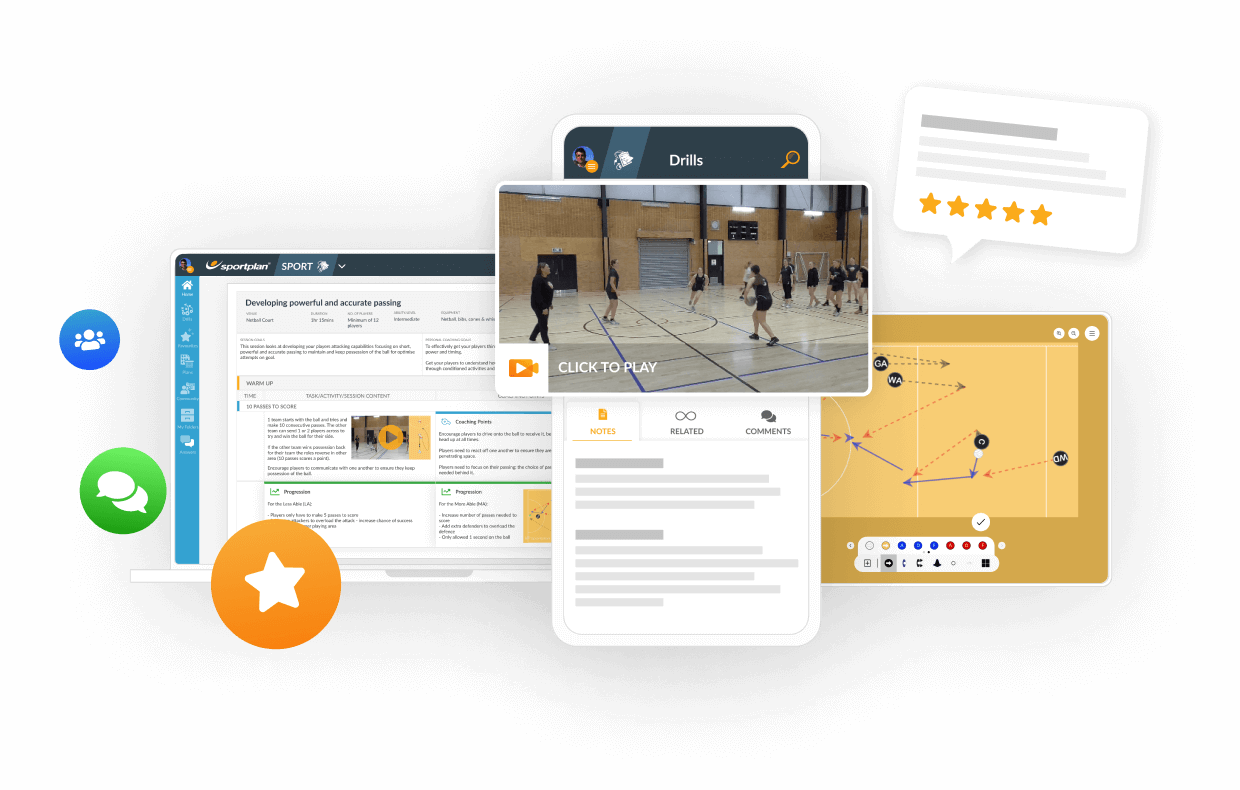
 sportplan_netball