Obstruction rules
Is it obstruction if the defending player is standing next to the person in possession of the ball with their arms down ie. not attempting to defend or intercept the ball whilst mid-court? There is a lot of mixed messaging from umpires around this rule, particularly if it occurs within goals with some umpires saying as long as you're not putting your hands up to defend the ball or standing in front of them then it is not obstruction to then being called obstruction in instances decribed above.

Hi Nicole,
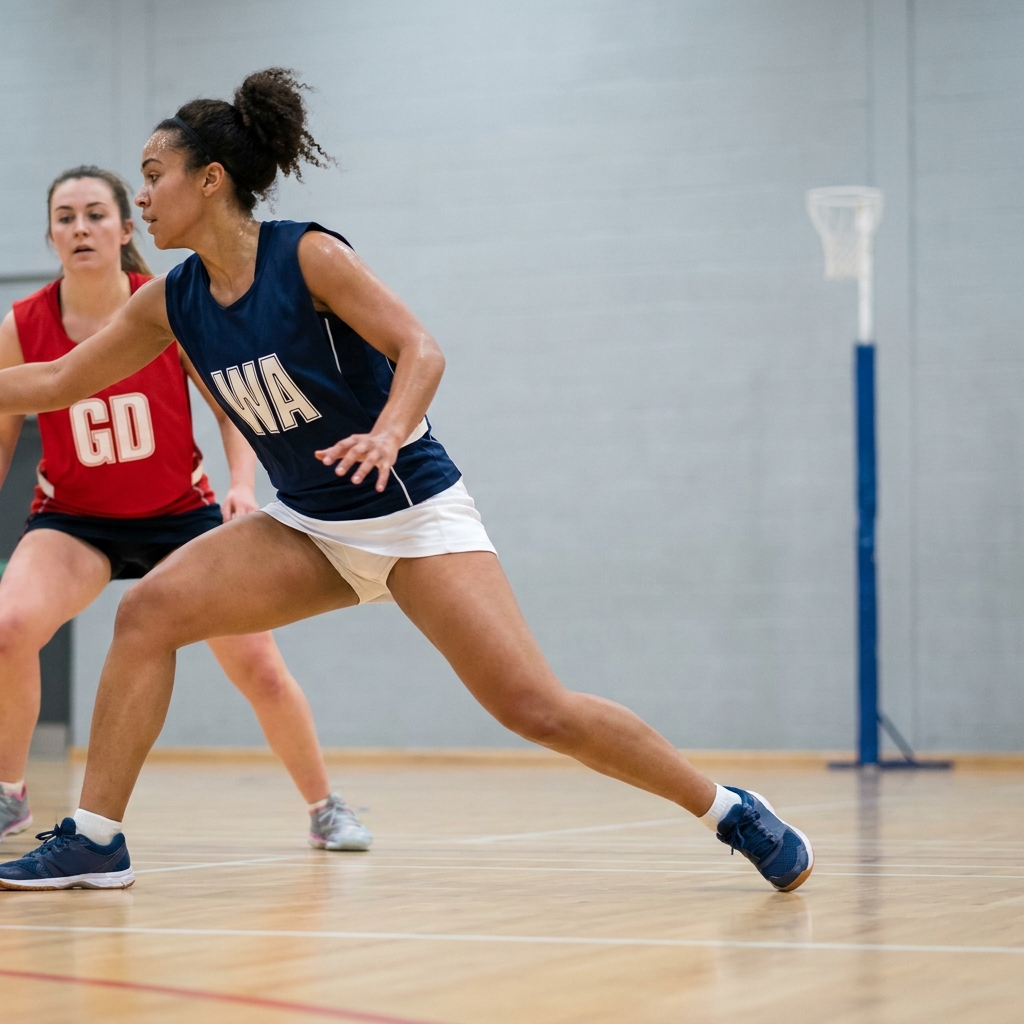
The rules state that defending players must not impede the movement of the attacking player, but they are allowed to stand next to them as long as they do not interfere with the attacking player's ability to move or shoot.
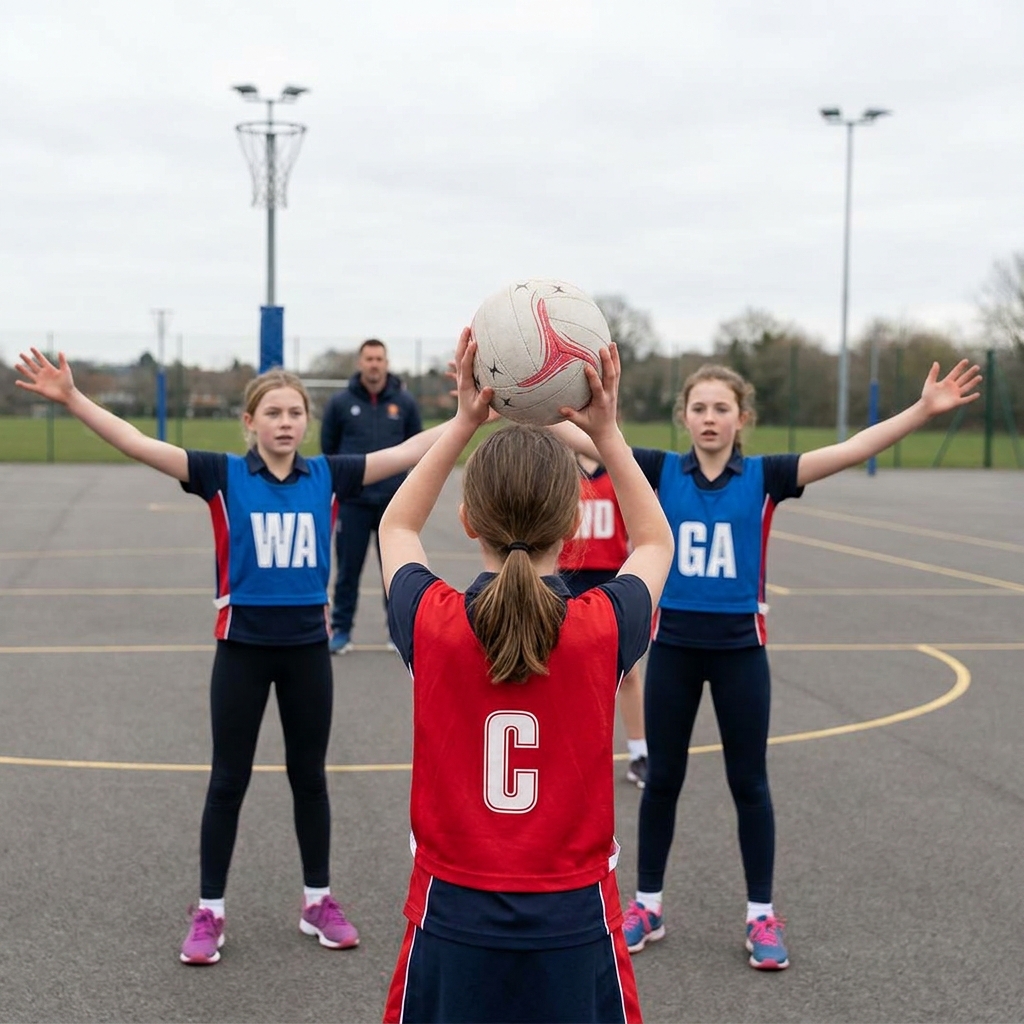
Therefore, if the defending player is standing next to the person in possession of the ball with their arms down and not attempting to defend or intercept the ball, and they are not impeding the movement of the attacking player, then this is not considered obstruction. However, if the defending player is within 0.9 meters of the attacking player and is impeding their movement in any way, this would be considered obstruction and a penalty would be awarded to the attacking team.
The interpretation of obstruction can vary among umpires, so it's important for players to be aware of the rules and play within them to avoid penalties. If you're unsure about a call made by an umpire, it's best to ask for clarification on why the obstruction was called and how you can avoid it in the future.
Hope this helps.
Archie

 sportplan_netball