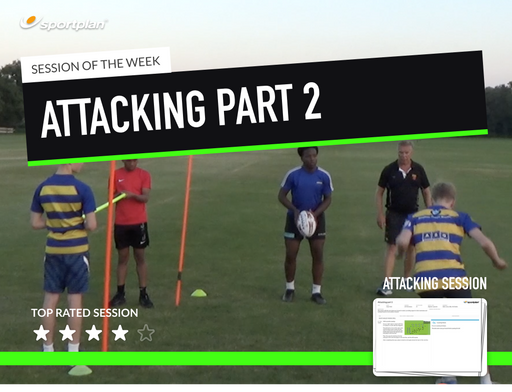
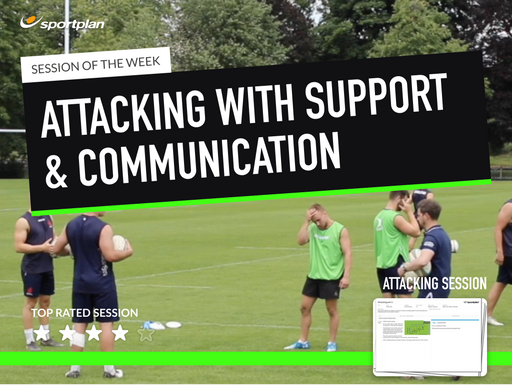
This is a tale of two sessions - starting with a half hour conditioning introduction and then progressing onto a one hour Attacking Patterns finale.
Stage 1: This begins with some running ladder work (if you don't have ladders you can use cones) and focuses on quick acceleration, changing direction, slowing down and speeding up.
Stage 2: Now that your players are nice and warm we progress onto stage 2 - getting your players to understand attacking patterns and react to their surroundings. Throughout the course of stage 2 you should get your players to remember ACE - Attack at pace, Commit the defender and Evade by changing direction.
During stage two players will constantly be making snap decisions - do they feint and go it alone or should they drop their shoulder and play the pass? Players should be looking to react to the defender and attack the space.
Keep an ace up your sleeve with this conditioning and attacking moves session!

in more ways than one
 sportplan_netball



in more ways than one
sportplan_rugby

Your players can pass beautifully in a warm-up grid. Then a defender closes, their lungs are burning, and the ball goes to ground. Here is how to build catch-pass skills that hold up when it matters.

A box kick or up-and-under is only as good as the chase behind it. Here is how to organise your chase line, compete in the air safely, and make sure your own catchers are ready for what comes next.
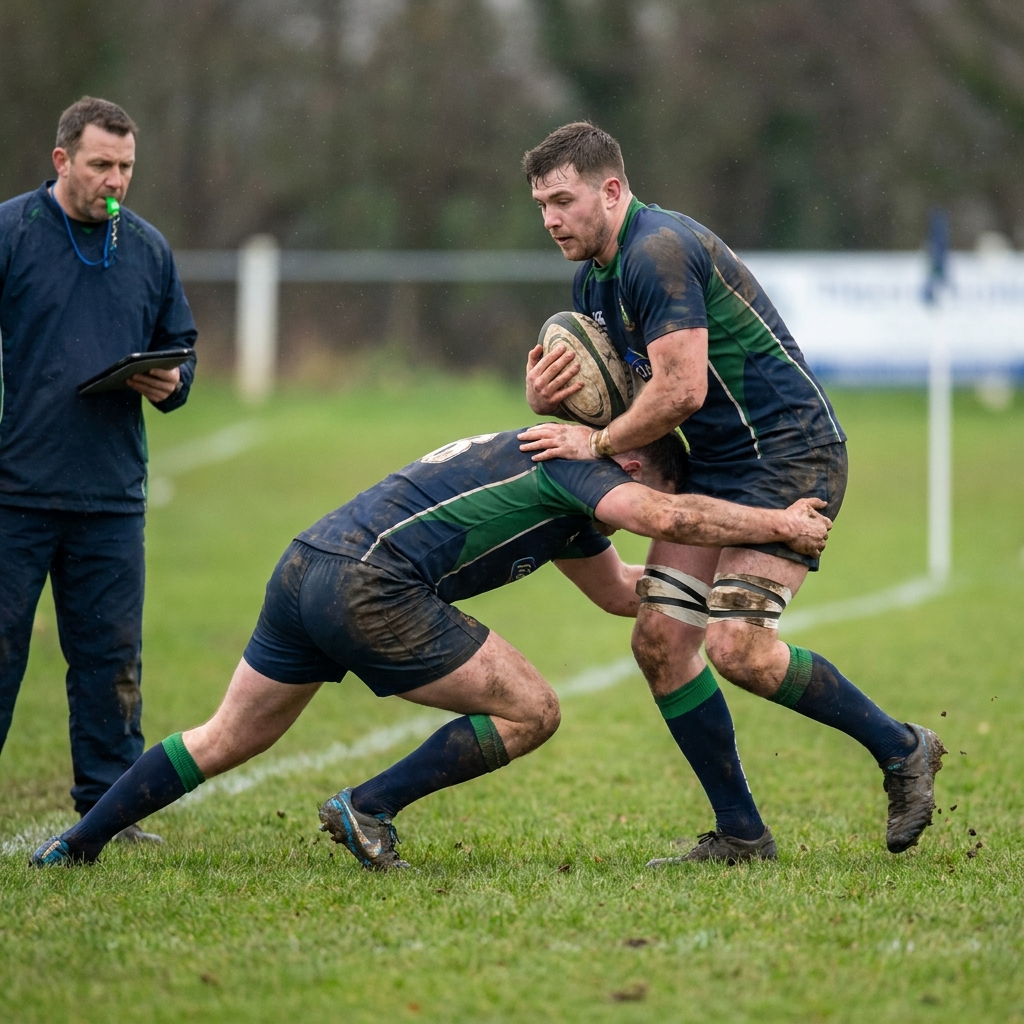
World Rugby's lower tackle height is no longer a trial. It is law in community rugby from this season, and unions choose waist or base of the sternum. Here is how to retrain your defence.