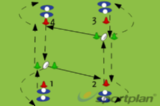
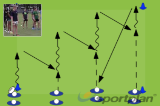
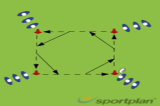
Set up a square with cones, making one side of the square with two gates of cones.
Get the players to line up evenly behind the two individual cones (See diagram - 1 and 2)
The player with the ball runs out and puts the ball down between the green cones, once he has put the ball down he runs and joins the back of his line. The player behind him in the queue follows him and passes the ball off the floor to a player running onto the ball from the next line (2), once he passes the ball he runs and joins the back of his line. The receiver of the pass also has a partner running behind him so when he puts the ball down between the green cones his partner can pass it to the next person in the opposite line. Both run and join the back of their line and the drill continues...
After a period of time swap over the lines so players practice passing in both directions
Progressions:
Instead of placing the ball on the floor, go to ground and present it
Instead of working in partners, work in threes - the ball carrier goes to ground, the second player gets in a position to clear our any defenders, and the third person passes the ball off the floor. Add in a defender with a hit shield or a live defender to make a tackle but then be passive in the ruck.
Passing off the floor: Outside foot next to the ball, other foot facing towards target. The player should get low and stay low. The pass should be one smooth movement from the floor with the hands following through towards the target, staying low throughout.
Catching: hands extended from the body to create a target -> call for the pass
Players should communicate

in more ways than one
 sportplan_netball

in more ways than one
sportplan_rugby
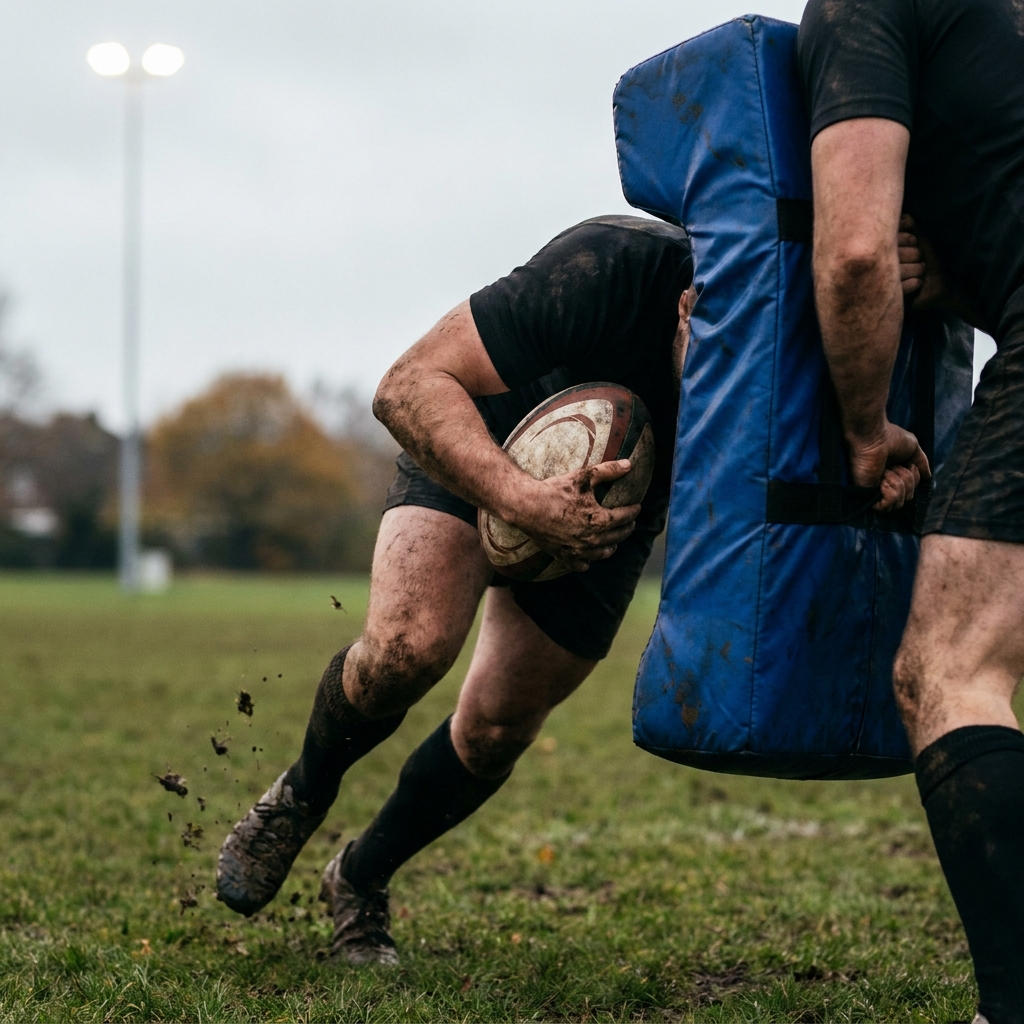
Tacklers are aiming lower, so carriers who dip late put heads at risk. Teach footwork, a strong early body height and leg drive to win the collision safely.
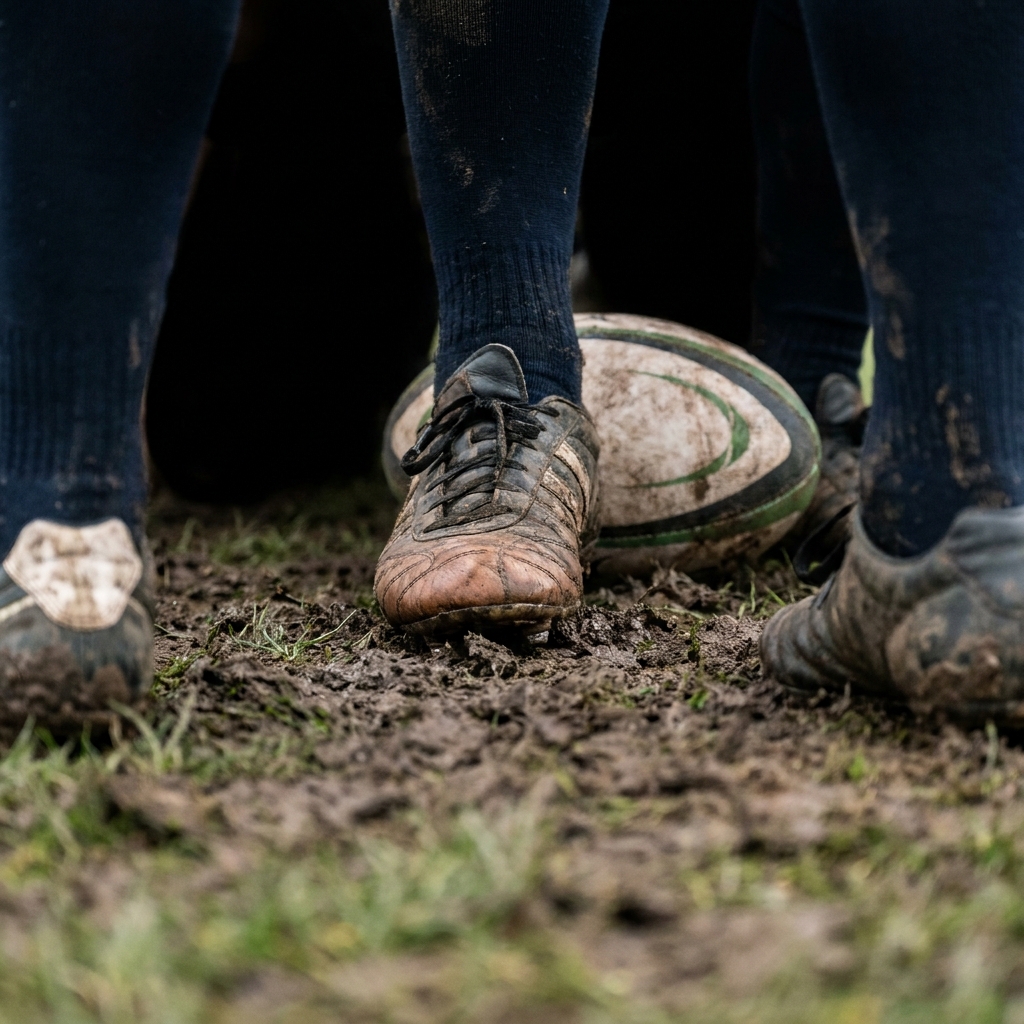
The hooker's brake foot moved from trial into full law in July 2026. Here is how to coach it so your front row stays stable, legal and safe.

Your players can pass beautifully in a warm-up grid. Then a defender closes, their lungs are burning, and the ball goes to ground. Here is how to build catch-pass skills that hold up when it matters.