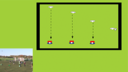
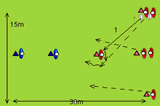
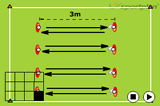
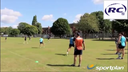
1. Square on: one hand
Stand square on, in your partners pass the ball back and forth no more than 5m away from eachother, rember use 1 hand and start with ball on hip.
2. Side on: one hand
Same again but no stand side on.
3. One step: two hands
Same distance apart, introduce the second hand and take a step and pass try to do 10 off each hand.
1. Square on: one hand
Grip - hand back of the ball, fingers apart.
Pass - finish with hand pointing at target, Do not force spin - let the ball roll off the fingers, Ball on hip - do not swing the ball - powerful motion from hip.
2. Side on: one hand
Grip: same as above
Pass: same as above: use the non passing hand as an aim point and pass.
3. One step: two hands
Step: Step with the outside foot (if step on inside will block the pass - more difficult)
Grip:same as above, other hand just guides the pass same hand position, ball on hip. (the non power hand is a guidence - shouldnt add any power or spin)
Pass: same as aobove but bow follow the pass, this will add power and accuracy. Over exagerate the finish with hands pointing at the target.
Full process: catch pass --> head turns --> stay square --> ball on hip --> hands finish at target.

in more ways than one
 sportplan_netball
in more ways than one
sportplan_rugby
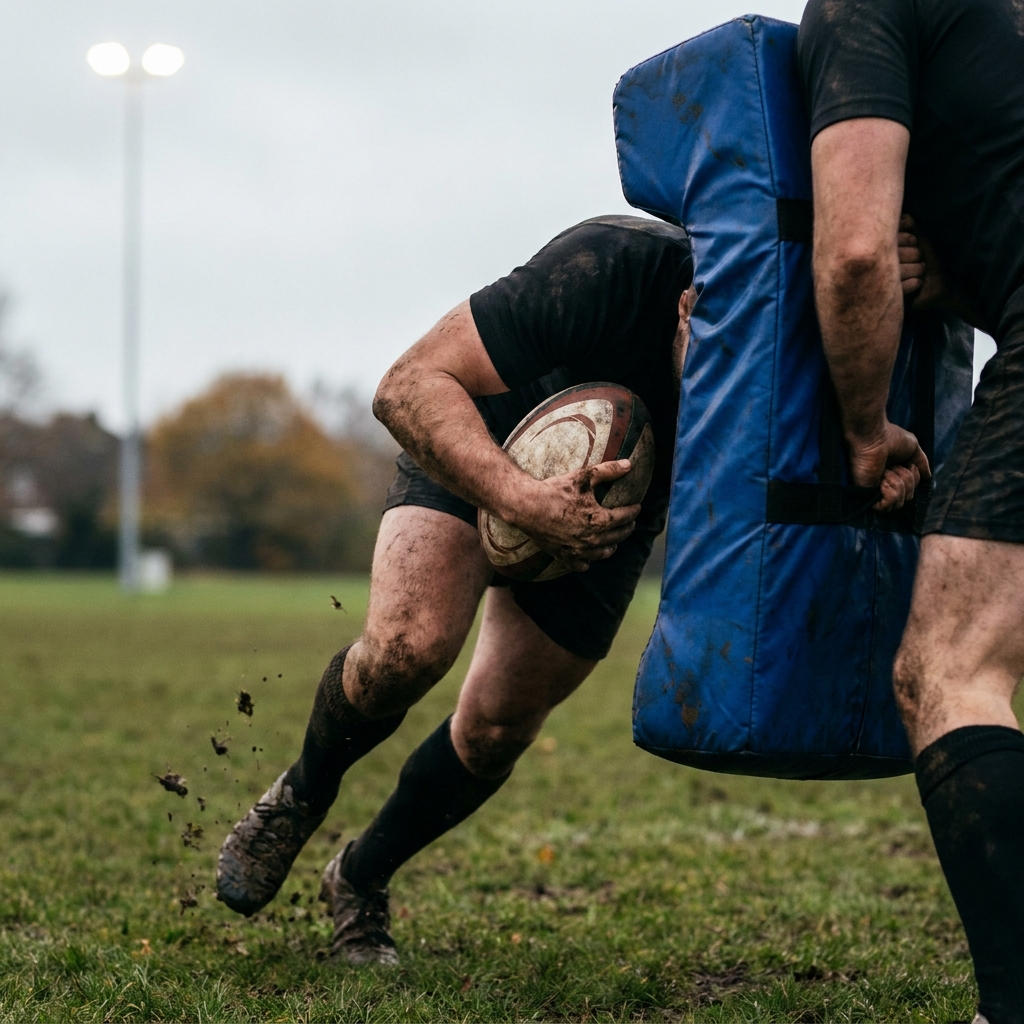
Tacklers are aiming lower, so carriers who dip late put heads at risk. Teach footwork, a strong early body height and leg drive to win the collision safely.
The hooker's brake foot moved from trial into full law in July 2026. Here is how to coach it so your front row stays stable, legal and safe.
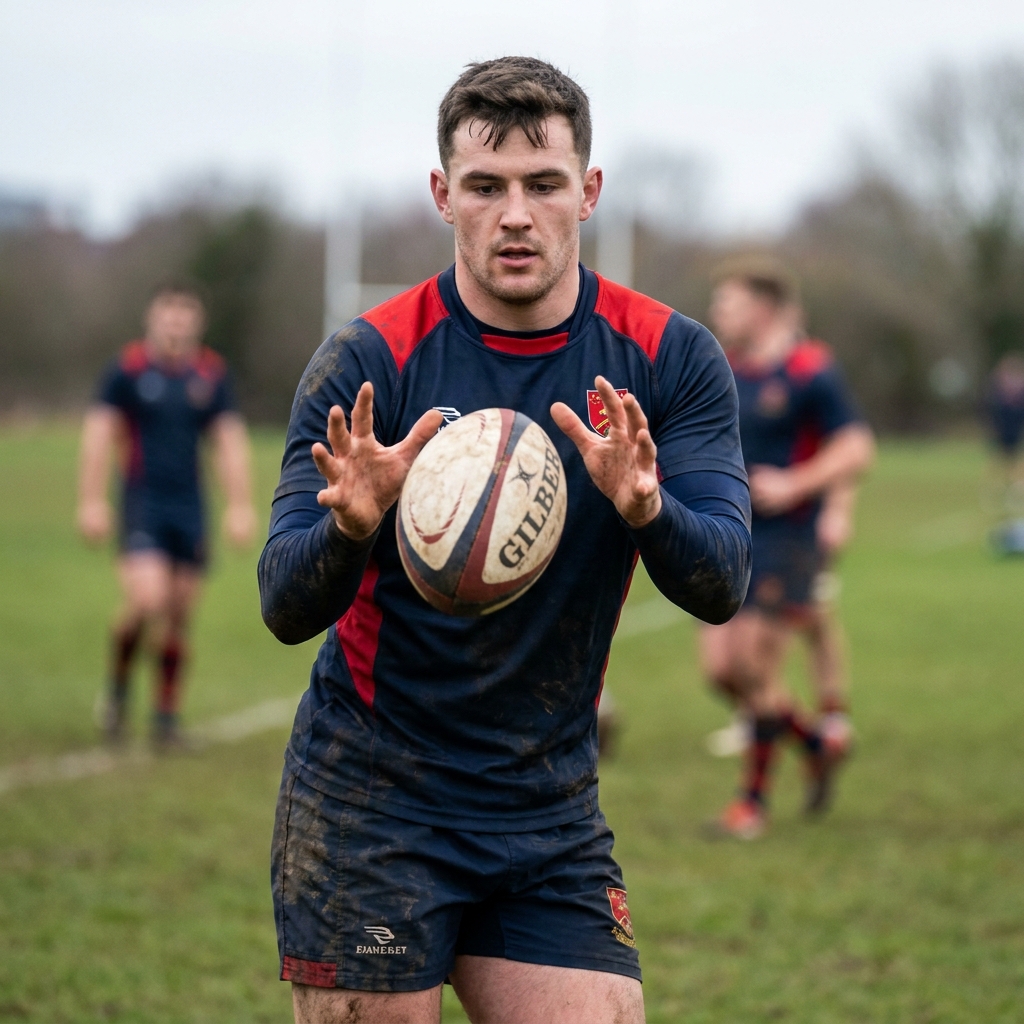
Your players can pass beautifully in a warm-up grid. Then a defender closes, their lungs are burning, and the ball goes to ground. Here is how to build catch-pass skills that hold up when it matters.