The Netball Super League's biggest rule change in years is here. From 2025, shooters can score two goals from a designated zone at the outer edge of the shooting circle during the last five minutes of each quarter - the "Power 5" period.
First introduced in Australia's Suncorp Super Netball in 2020, the Super Shot has already transformed how elite teams approach the final minutes of each quarter. Research published in 2025 shows that scoring rates increase during Power 5 periods despite conversion rates dropping by 7%. The teams that master this rule change gain a significant competitive advantage.
Understanding the Super Shot Zone
The Super Shot zone extends from the outer edge of the shooting circle inward. Shots taken from this area during the Power 5 period count for two goals instead of one. The zone is clearly marked, but shooters must be comfortable operating in space they previously avoided.
This changes everything. A shooter who converts 60% from the outer zone scores an average of 1.2 goals per attempt - better than someone converting 100% from under the post. The maths fundamentally alters shot selection.
The Technical Adjustments
Range Extension
Most club shooters have never practiced consistently from the Super Shot zone. Their technique is optimised for closer range. Extending range requires adjustments to power generation without sacrificing accuracy.
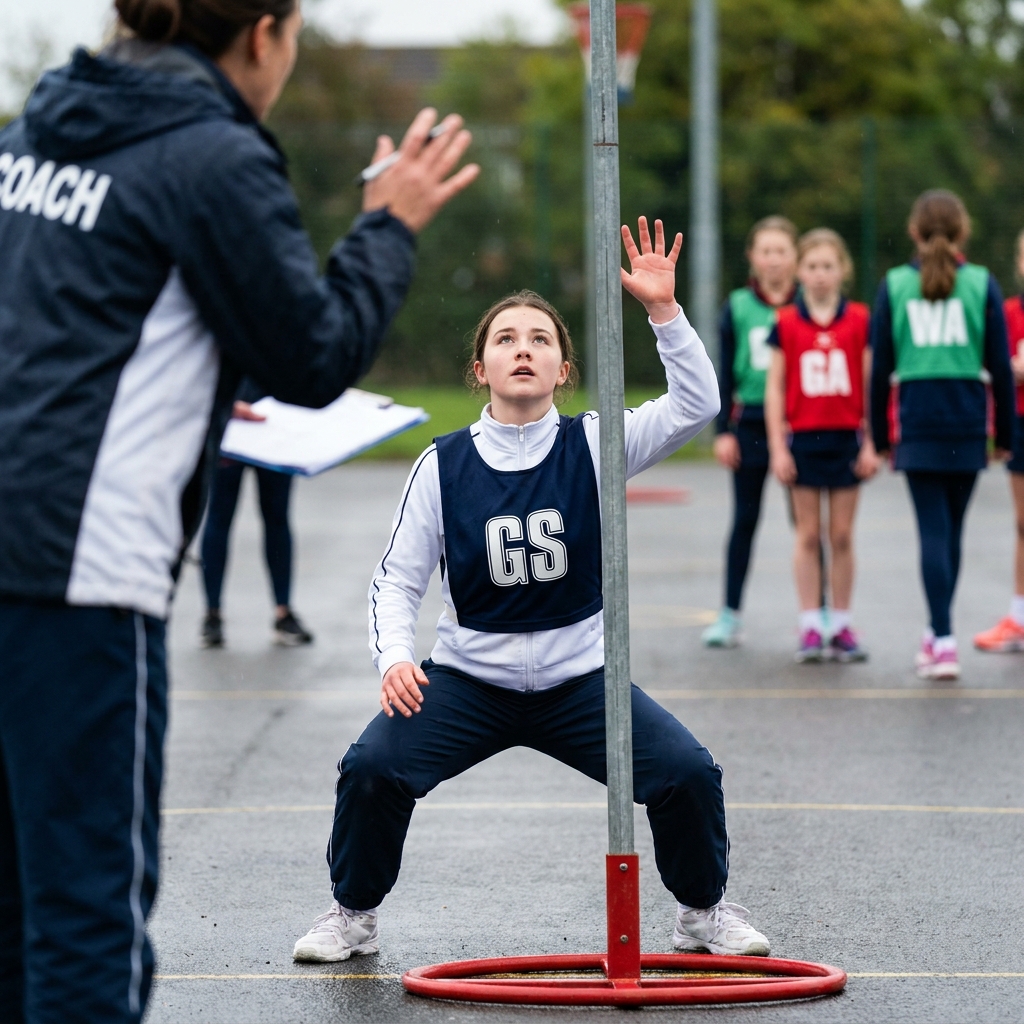
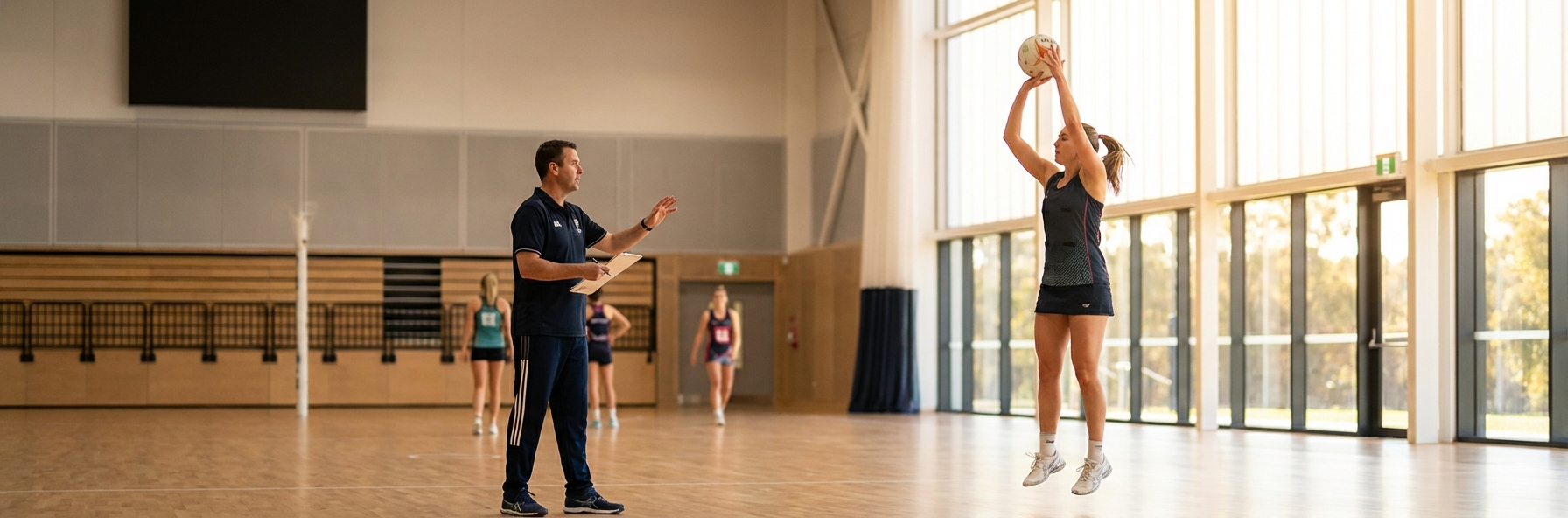
The key is leg drive. Power must come from the ground up - a deeper knee bend, stronger push through the floor, and full extension through the release. Arms alone cannot generate the required distance consistently.
Arc and Trajectory
Longer shots need higher arc. A flat trajectory that works from 2 metres will hit the front of the ring from 4 metres. Teach your shooters to visualise a higher release point and steeper descent into the goal.
Balance Under Pressure
The Super Shot zone is further from the post, which means more space for defenders to contest. Shooters must be comfortable taking slightly longer to set while maintaining technique under physical pressure. Rushed shots from range rarely go in.
Training the Super Shot
Phase 1: Range Building
Start without pressure. Mark the Super Shot zone clearly and have shooters take 50+ attempts per session from various points within it. Track conversion rates. The goal is consistent technique before adding complexity.
Phase 2: Pressure Introduction
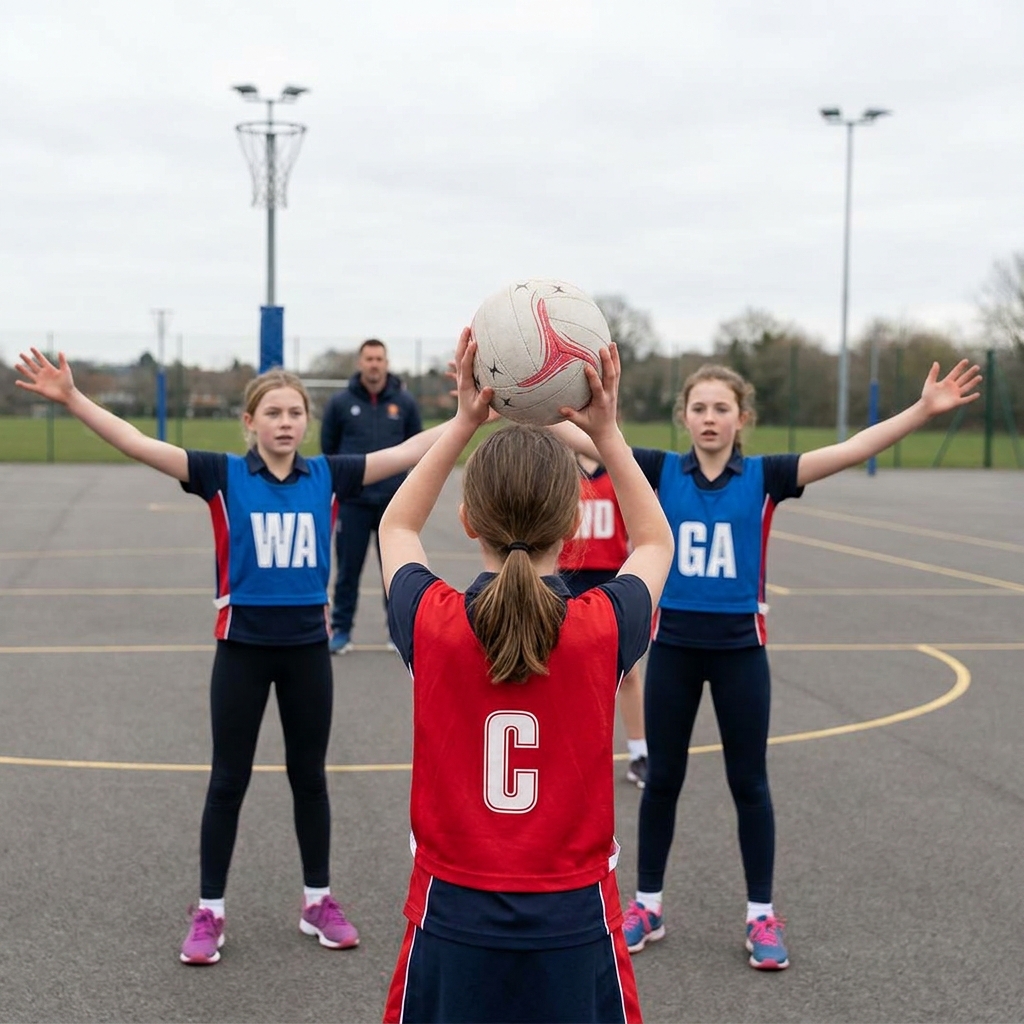
Add a defender. Initially passive, then increasingly active. The shooter must learn to create enough space to get a clean release while maintaining the technical adjustments required for range.
Phase 3: Game Simulation
Create Power 5 scenarios in training. Final 5 minutes, score is close, every shot matters. This psychological pressure is as important as the physical skill. Shooters must be comfortable taking the Super Shot when it counts.
When to Take the Super Shot
The Super Shot isn't always the right choice. Research from Suncorp Super Netball shows that missed Super Shot attempts often lead to turnovers - the ball travels further on a miss, giving defenders more time to react.
General guidelines:
- Take the Super Shot when you have a clean look and are balanced
- Don't force it against tight defence - a converted standard shot beats a missed Super Shot
- Consider the game situation - a two-goal deficit with 30 seconds left demands risk
- Know your shooter's range - some players' percentages don't justify the attempt
Defending the Super Shot
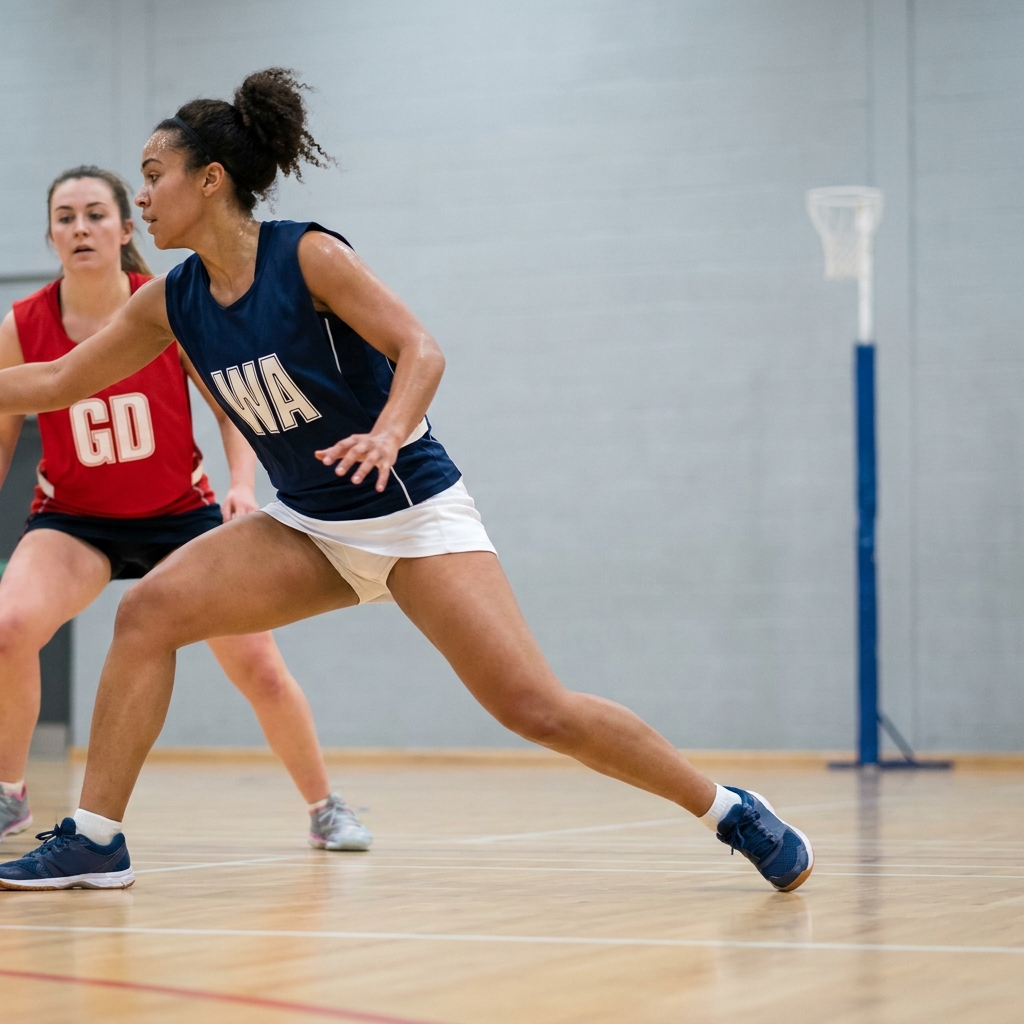
The Super Shot changes defence too. Circle defenders must decide: contest hard and risk fouling, or allow a clean look from range? The answer depends on the shooter's ability and the game situation.
Teams should track opponent shooters' Super Shot percentages. Against a 70% converter, tight defence is essential. Against a 40% converter, allowing the attempt might be the smart play.
The Tactical Implications
Power 5 periods require different tactics. Ball movement might prioritise getting the ball to your best long-range shooter rather than working it close to the post. Substitution patterns might change to ensure your Super Shot specialist is on court for each Power 5.
The teams that adapt fastest to this new tactical landscape will have an edge. The teams that treat it as a gimmick will fall behind.
Building Your Super Shot Shooter
Not every shooter will become a Super Shot threat. Some players' techniques simply don't translate to longer range. That's fine - you only need one reliable option.
Identify your best candidate based on natural range, willingness to practice, and composure under pressure. Invest training time specifically in their development. Come Power 5, you want absolute clarity about who takes the shot.
Looking Ahead
The Super Shot is here to stay. As the rule beds in across more competitions, the teams that have invested in Super Shot capability will pull ahead. The time to start training is now - before your opponents do.
Where to Go Next
Build your shooters' range and accuracy with our dedicated shooting resources:
- Shooting Drills - Progressive drills to develop technique and range
- Session Plans - Complete training sessions with shooting focus
 sportplan_netball