Basic Ruck Defense key is line speed from 3 and outside defenders keep pushing up to stop ball getting to width from second line of attack.
Always plus one on short side.
Tackler looking for a chop tackle (Aiming between knees and hips and driving player back. First arriving player is One Man Menace trying to turn over ball or slow it down as much as possible.
Tackler after making tackle rolls out in direction ball has come from to defend in 4 position.
Outside Alignment of players, 1 on each side of ruck, 2 takes the space between ruck and lead runner, 3 is on lead runner leading line speed. 4 is on next player.
Roles
1 - stays by the ruck does not chase ball until passed by opposite first set of hands. 1 just pushes straight forward.
2 takes the space between ruck 1 and first set of hands, if 9 runs he jams in calling jam to take 9 as indicated by red arrow. If 9 passes ball he supports 3 and looks to shut anything coming back down his channel.
3 - is on first set of hands and leads line speed, his alignment is on outside shoulder of first set of hands, if 9 runs and 2 calls Jam he goes in to take the inside threat as indicated by red arrow
4 - takes man outside 3 if Jam is called he goes in to take first set of hands.
Jam is only called by 2 if 9 runs, if everyone follows and goes in quickly then ball should not get past first or second set of hands

in more ways than one
 sportplan_netball

in more ways than one
sportplan_rugby
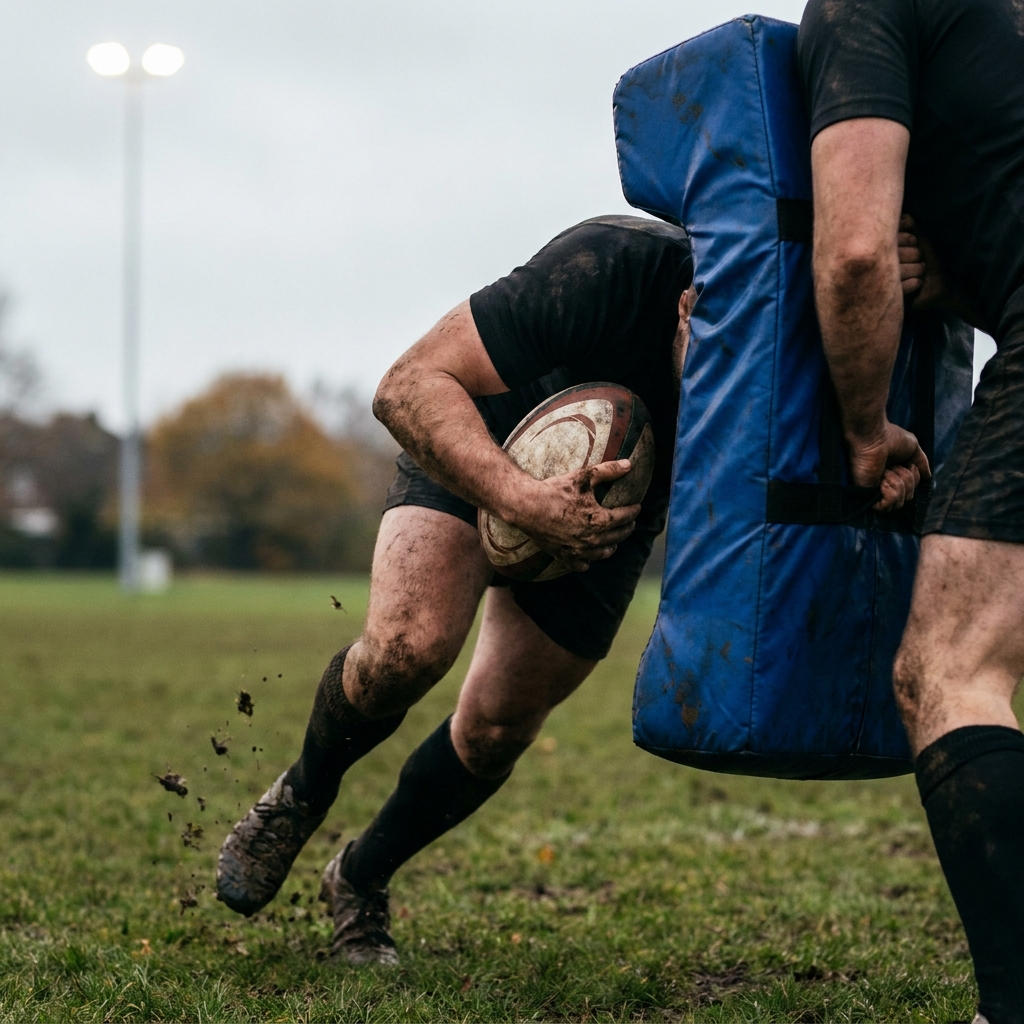
Tacklers are aiming lower, so carriers who dip late put heads at risk. Teach footwork, a strong early body height and leg drive to win the collision safely.
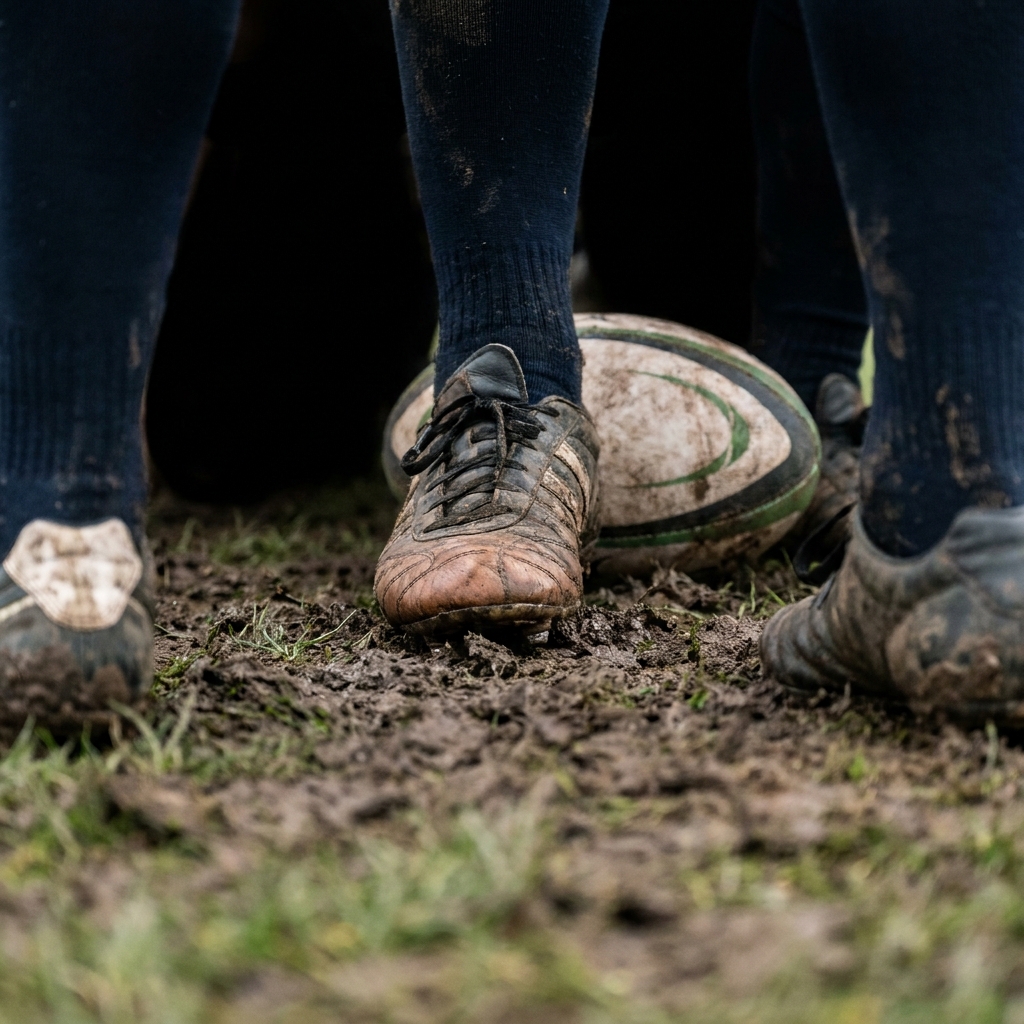
The hooker's brake foot moved from trial into full law in July 2026. Here is how to coach it so your front row stays stable, legal and safe.
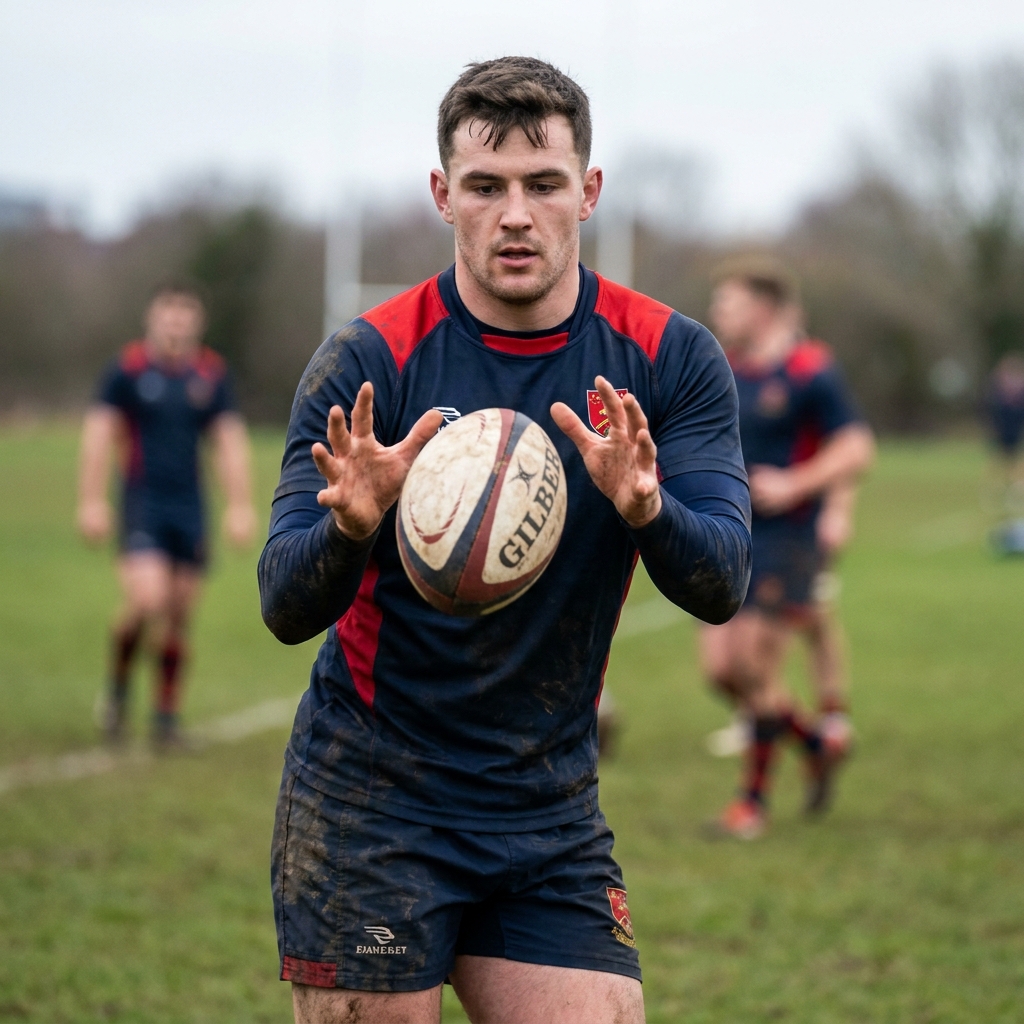
Your players can pass beautifully in a warm-up grid. Then a defender closes, their lungs are burning, and the ball goes to ground. Here is how to build catch-pass skills that hold up when it matters.