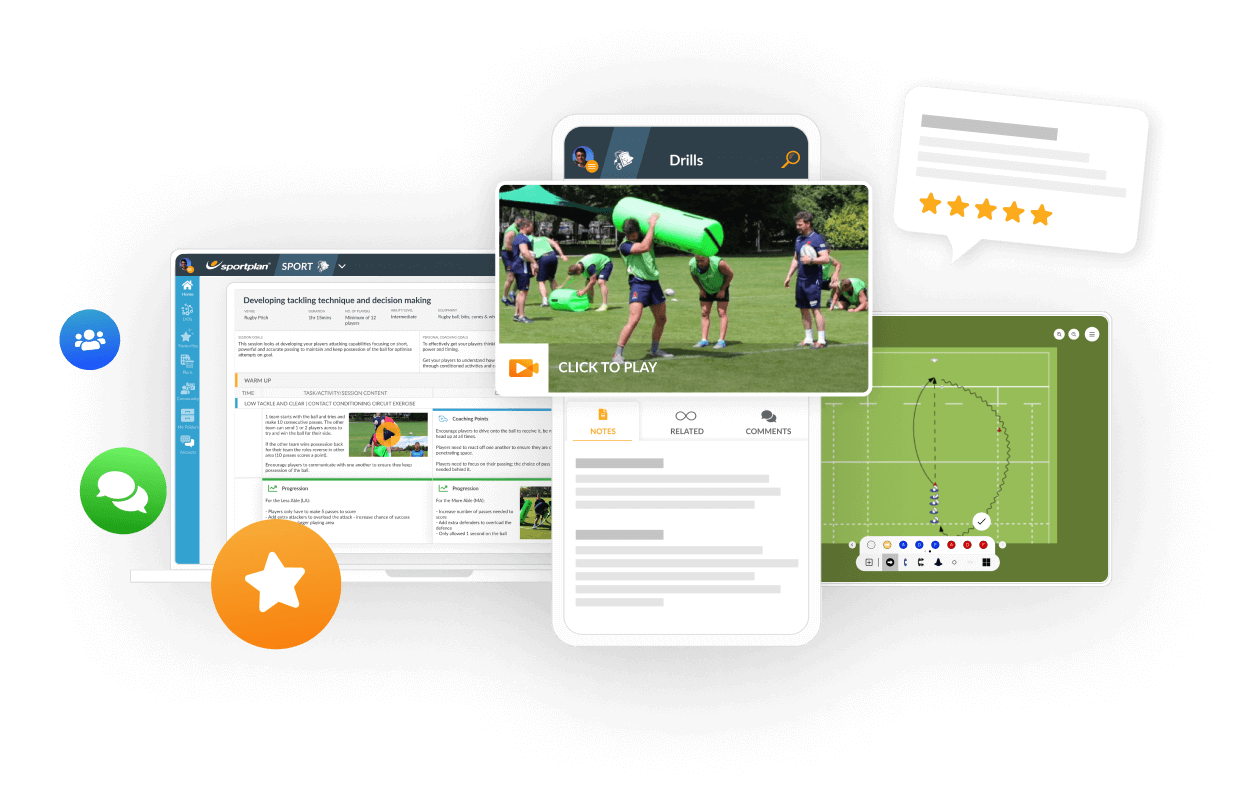
The coach calls out a numbeR.
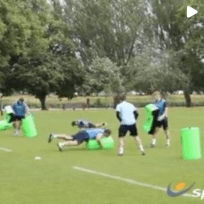
The defender (D) tackles that number bag. The attacker (A) goes and supports that tackled bag by bridging over the ball.
after completin the tackle, the defender must make a decision whether to fold, steal the ball or slow it down then get out and fold.
Each tackle bag is in a different position and represents a different type of tackle (I.e positive, neutral or negative hit). Different tackle will provide different oppertunities to steal the ball.
Slowly progress to full contact.
Focus on decision making.
ask players for feedback on what decisions usually correspond with certain types of tackles. Can they predict a pattern?
in more ways than one
 sportplan_netball
in more ways than one
sportplan_rugby
The teams winning in 2026 aren't taking risks - they're grinding out territory with relentless pick-and-go phases. Here's how to coach it.
Player safety technology has arrived at every level of rugby. Here's what coaches need to know about smart mouthguards, concussion protocols, and training safely.
From France's collision dominance to England's folding defence - what grassroots coaches can learn from the 2026 Six Nations.