This is the first stage of how we are going to attack. The purpose being to allow our forwards to know where they have to go by saying we are going to go the same way, like Wales in early Galtland days. This should allow us to if able to string more than 2 rucks together to have sucked in all their forward or moved away from oppostion lazy forward who will stay on the blind side. Therefore either getting our forwards running at back or overlap for backs
1) Need to make sure ball carrier is fairly flat (1-2 metres from gain line), this will pay off also when we use Green or Gold ball
2) Need to also make sure ball carreir is atleat 5 metres wide of the ruck, last year we had forwards taking the ball behind the ruck and running into where oppistion defence had most their numbers
3) Support players position themselves either side of ball carrier, this way if ball carrier makes break they are ready for offload
4) Support players appoach ruck from outside to in in V shape and target is clear out, 3rd support players job to secure ruck

in more ways than one
 sportplan_netball

in more ways than one
sportplan_rugby
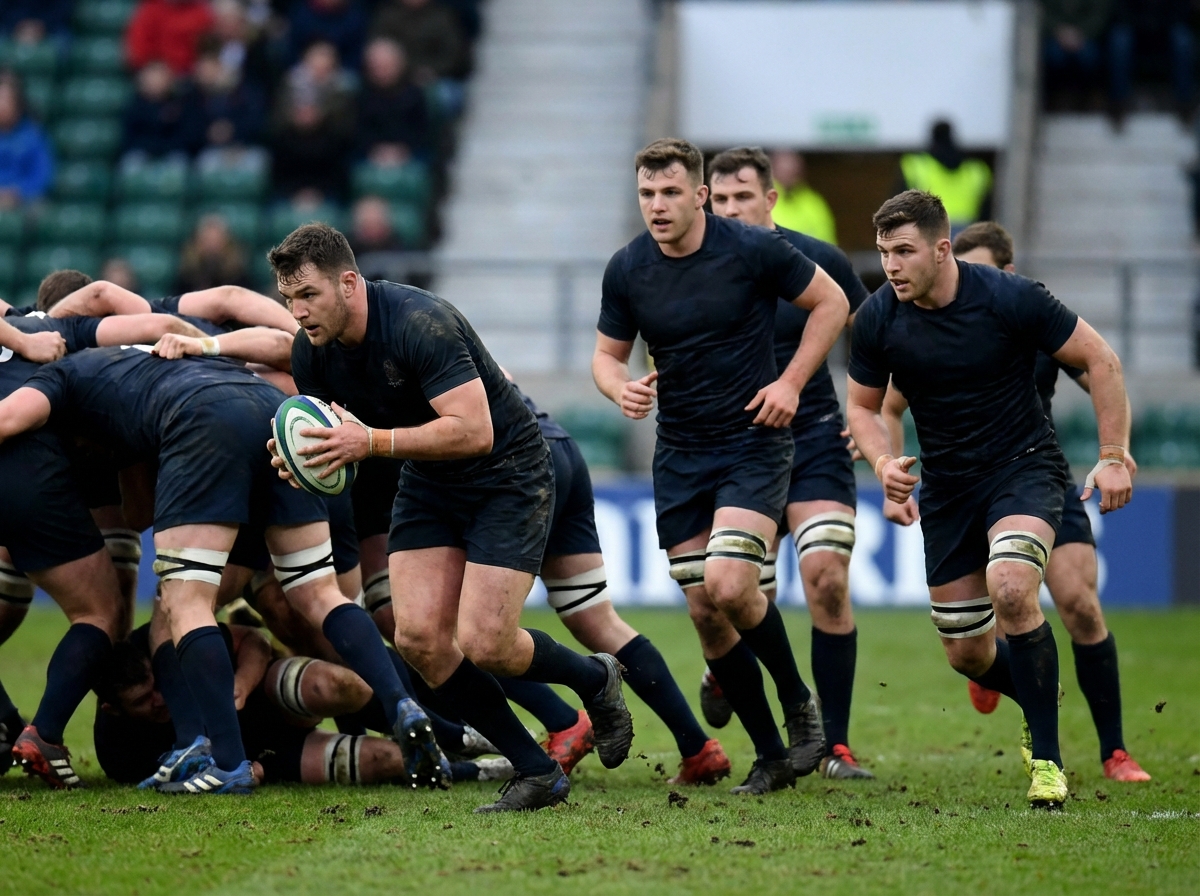
The teams winning in 2026 aren't taking risks - they're grinding out territory with relentless pick-and-go phases. Here's how to coach it.
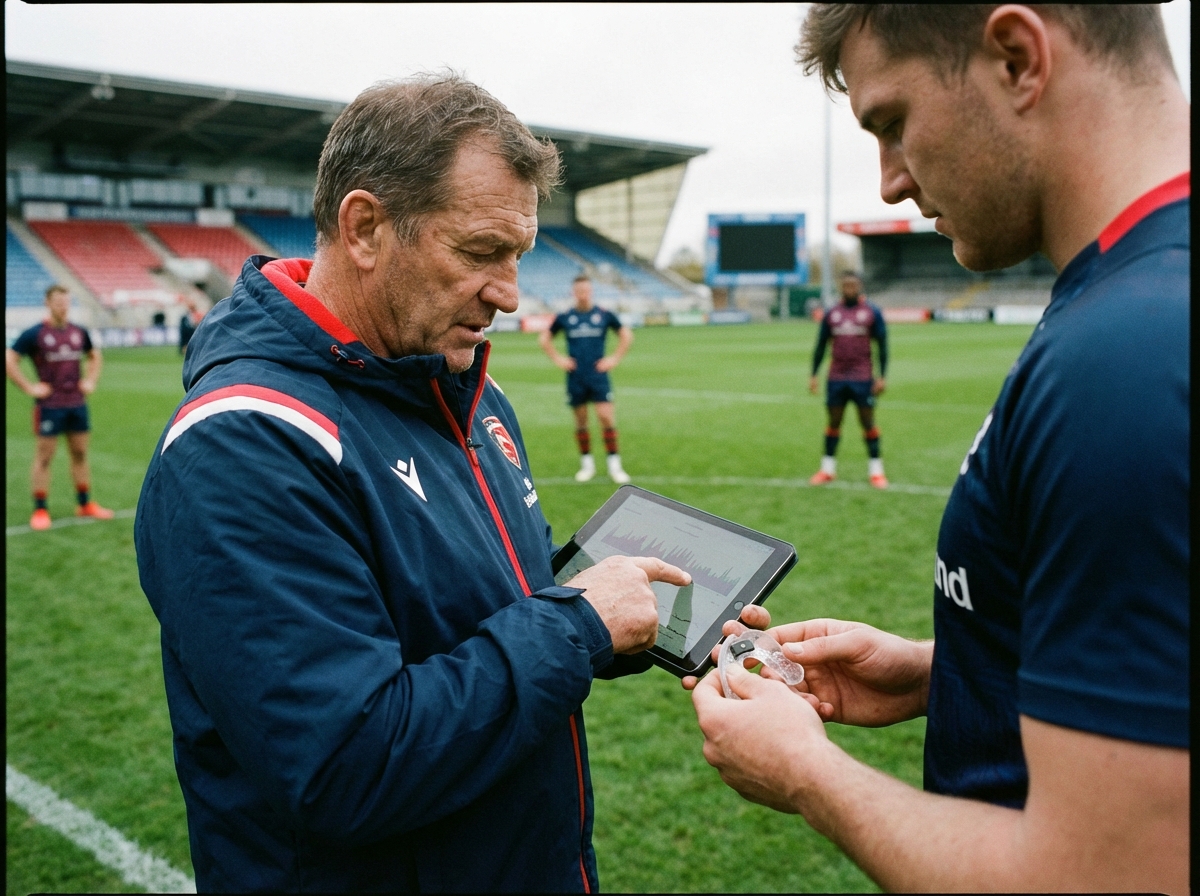
Player safety technology has arrived at every level of rugby. Here's what coaches need to know about smart mouthguards, concussion protocols, and training safely.
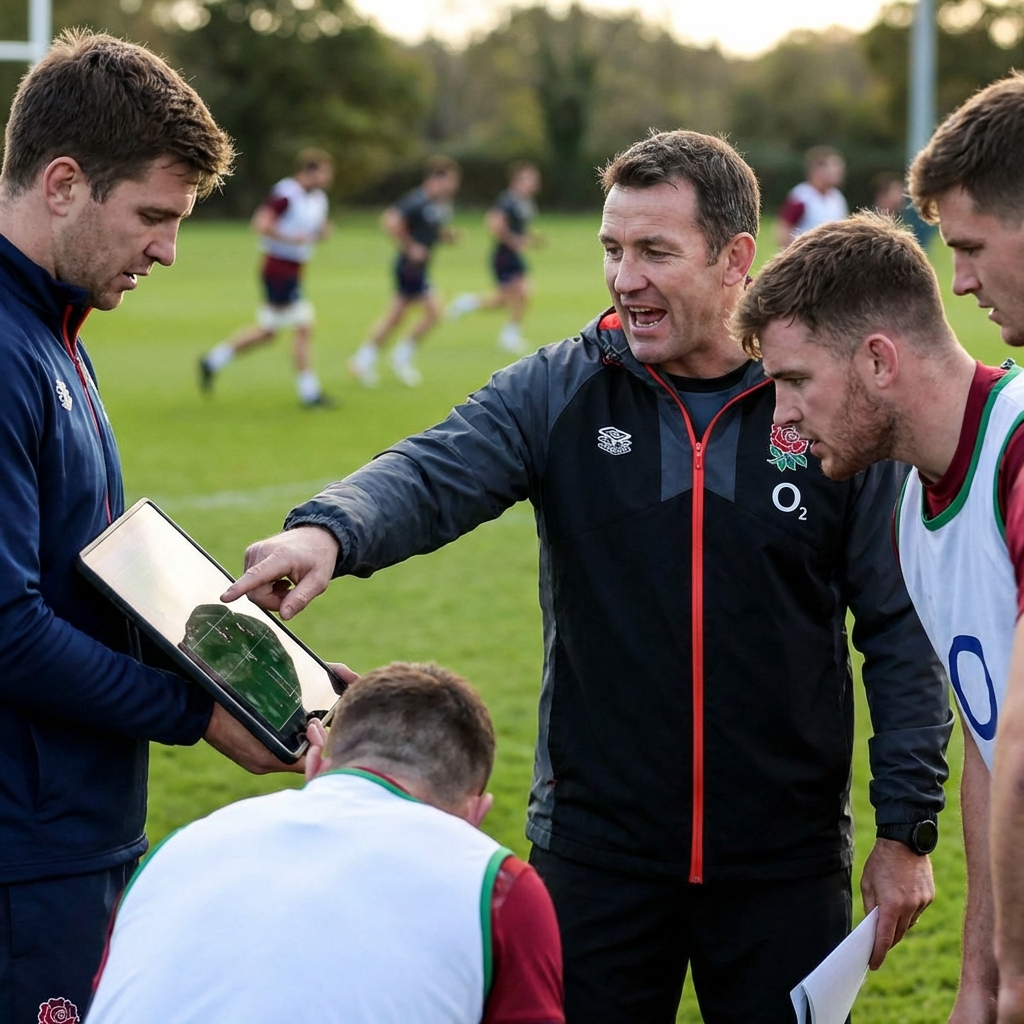
From France's collision dominance to England's folding defence - what grassroots coaches can learn from the 2026 Six Nations.