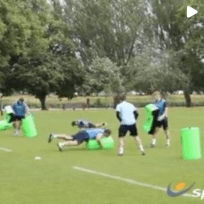
This game is all about developing confidence in the tackle. It doesn't allow attackers to build up speed and gives the coach a very close area to watch and allows plenty of flexibility to change the conditions so plenty of good tackles are made.
Using a circle as in the diagram, attackers start in the middle and try to score at the edge.
This game requires a bit of tweaking depending on the abilities playing and often an overload for the defence is required. You can even get one kid taking on the entire team of defenders. Switch this around to get a good balance.
Also the attackers, being young, see the best way to score as turning round and running backwards, which ruins the whole game so either setting up the outer circle with coloured cones to divide the cirle into thirds, and then assigning a child to a coloured section or carefully managing the game so the attackers dont just run away from the defenders must be employed for this to work.
Balance the players appropriately. this is about confidence building.
Overload the defence/attack as appropriate.
Keep score if game flowing freely to add competition.
Progress the tackles by showing the tacklers how to move onto rucking position and also good presentation for those tackled.

in more ways than one
 sportplan_netball

in more ways than one
sportplan_rugby
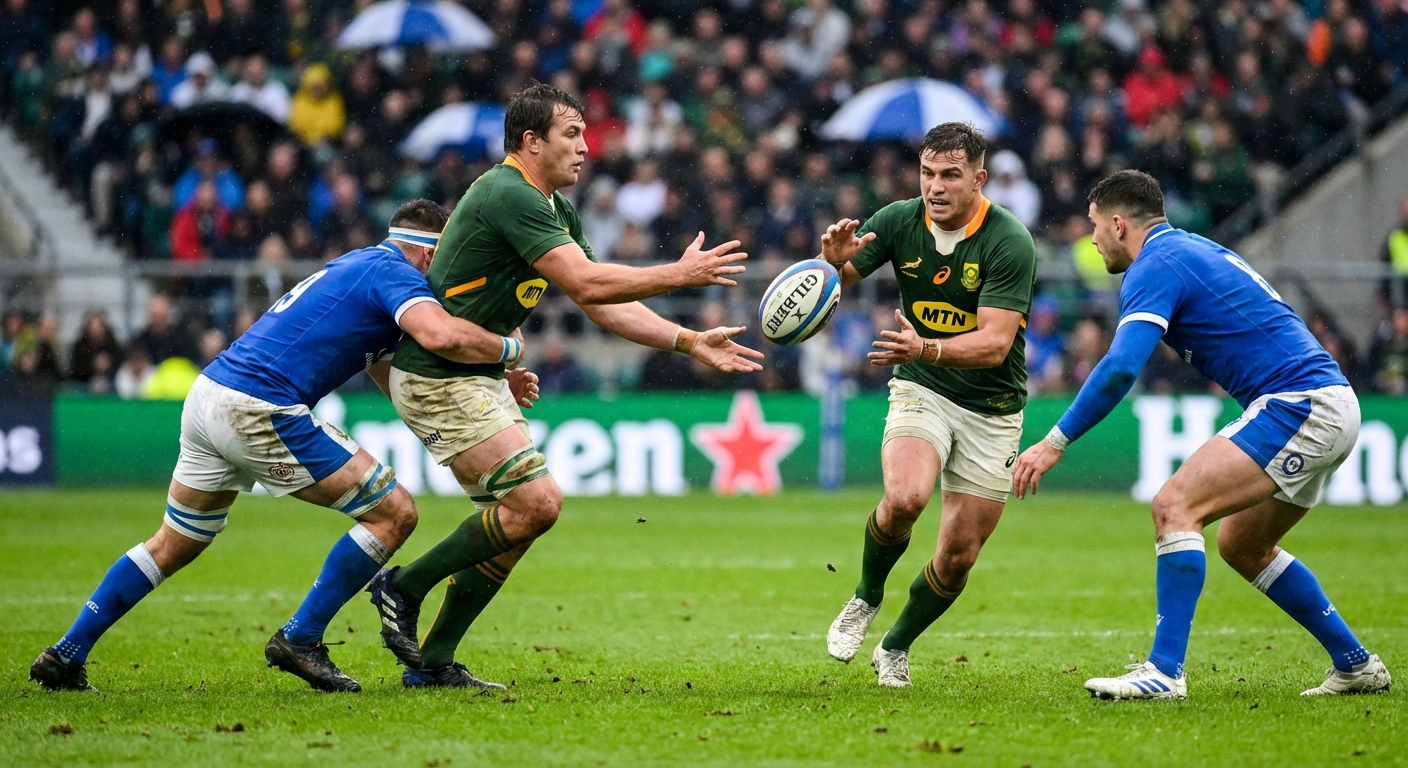
The offload is one of rugby's most devastating weapons when executed well, turning a defensive collision into a second-phase attacking opportunity. This article breaks down the technique, timing, and training progressions coaches need to develop confident offloaders at every level.
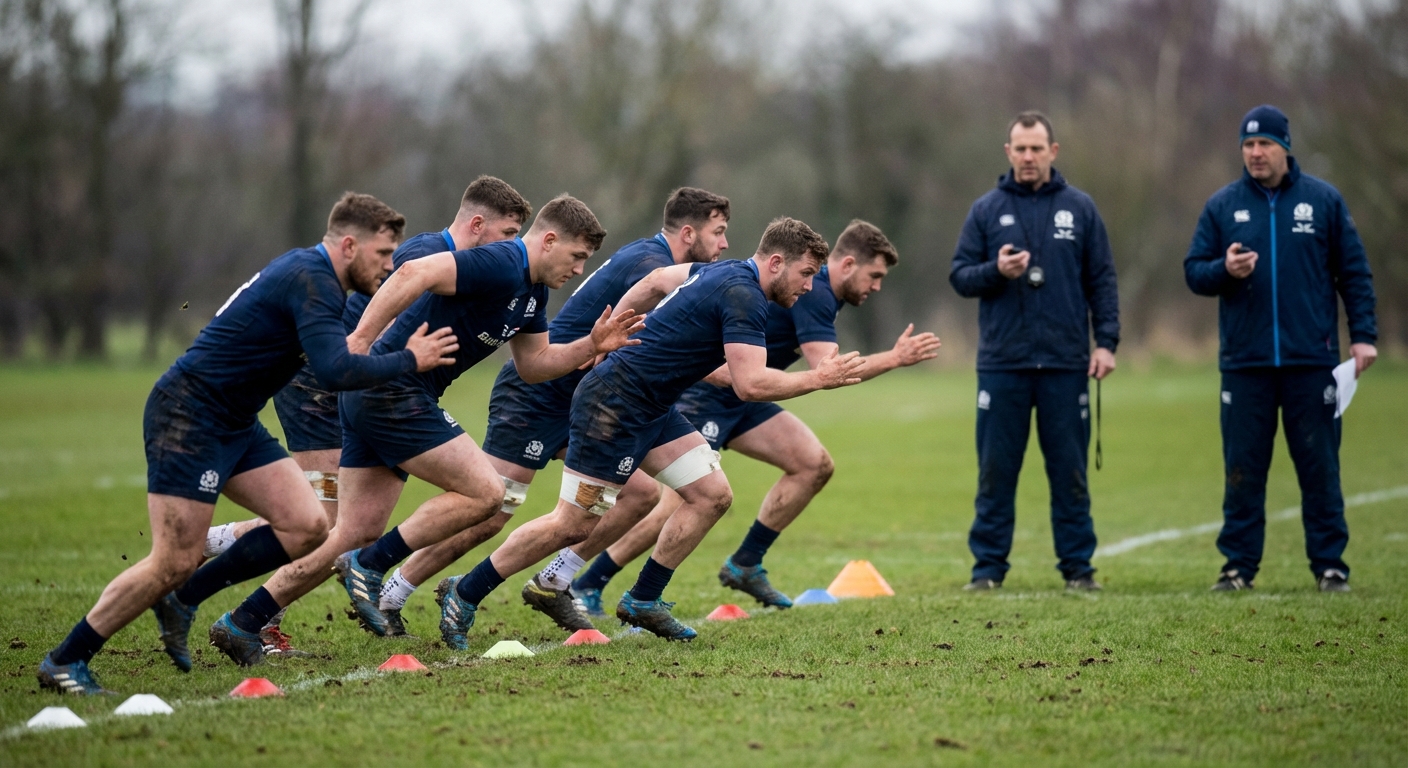
Defensive line speed is the single most important factor in shutting down attacking opportunities before they develop. This guide explores how to coach your defensive line to push up as a connected unit, communicate under pressure, and deny the opposition time and space.

The teams winning in 2026 aren't taking risks - they're grinding out territory with relentless pick-and-go phases. Here's how to coach it.