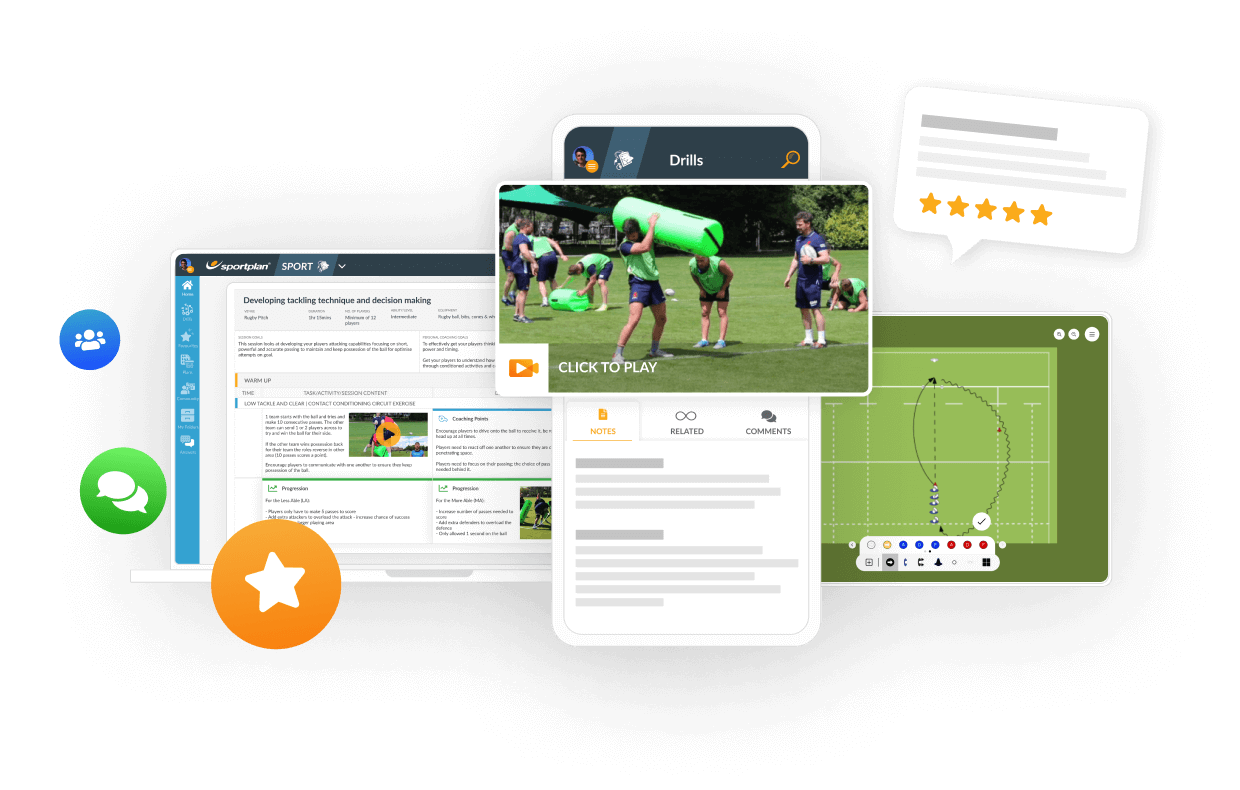
"A", "B" y "C" son atacantes, "D" y "E" son defensores (primeros 2 de la fila opuesta). Se produce la situación de 3v2 hasta que llega la pelota a "C", este entregará la pelota a "F" que con "G" y "H" serán los atacantes y los defenderán "I" y "J".
- Pelota en dos manos
- Caderas hacia adelante, rotación de torso, cabeza y hombros (Disociar)
- Codos pegados al cuerpo, no hamacarse al pasar
- Empujar la pelota con el brazo interno en el pase. Manos hacia el objetivo
- Pie interno adelante al momento del pase
- Control de carrera y timing de pase con relación a la defensa.
in more ways than one
 sportplan_netball
in more ways than one
sportplan_rugby

Greasy balls and soft pitches turn tidy handling into a lottery. Here is how to coach your players to keep hold of the ball when November conditions bite.
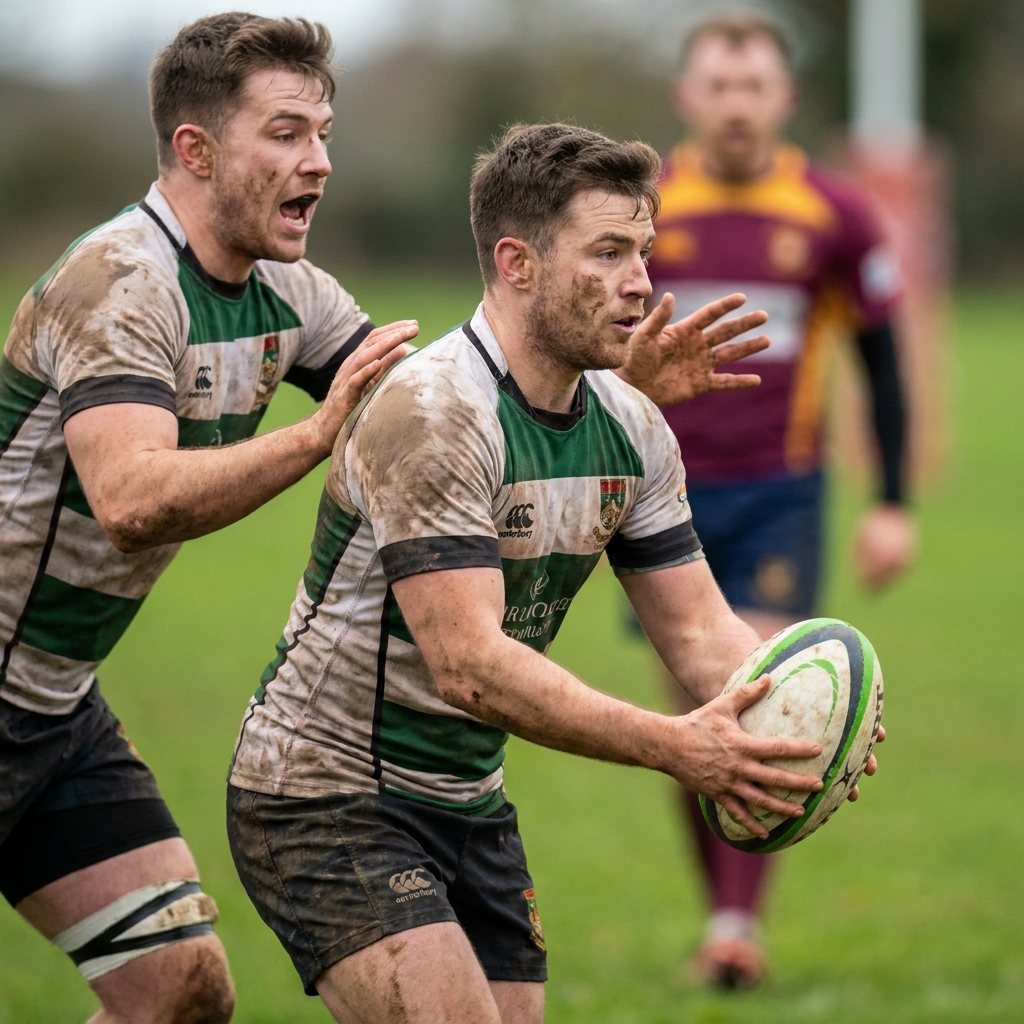
Most line breaks are made by support runners, not ball carriers. Teach the angles, depth and timing that get them there.
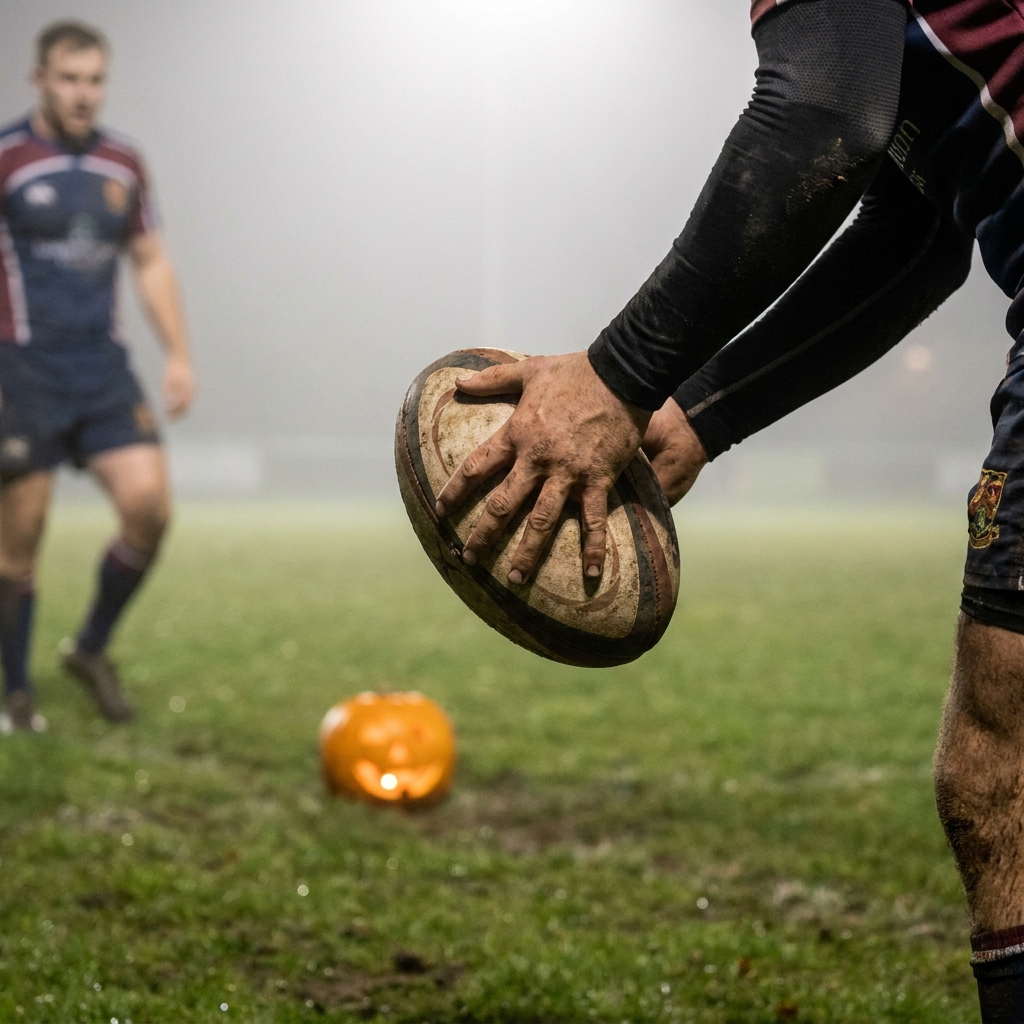
The isolated ball carrier is rugby's spookiest turnover. Here is the five-step fix, plus drills that rebuild support lines fast.