This play is perfect for backlines who by default will stand much more flat than you would prefer. This play includes two simple plays with three possible outcomes with the 10 making the decision on impending impact. This works particularly well if you have a strong 10 with good vision and decision making skills.
Option 1 (Red line): 11 runs a simple switch line with 10.
Option 2 (Yellow line): 12 and 13 run a block play with the 12 recieving the ball out the back and linking up with 15 and 14.
Option 3 (Blue line): the alternate ending to the block play is 10 passing a short, crash ball to 13 who attempts to bust through the gap between opposition 10 and 12.
The idea behind running all three moves at once is to attempt to confuse the defence. All possible recievers can aid in this endevour by screaming and calling for the ball.
When teaching this move it can be confusing as to who should recieve the ball. The easiest way to work around this is to not call out anything (e.g. option 1 or 2) but to have all players just run their lines expecting to get the ball, that way no one can be caught off guard. and it eliminates the excuse "I didn't thin it was coming to me."

in more ways than one
 sportplan_netball
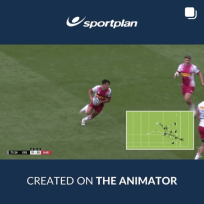

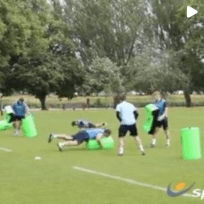
in more ways than one
sportplan_rugby
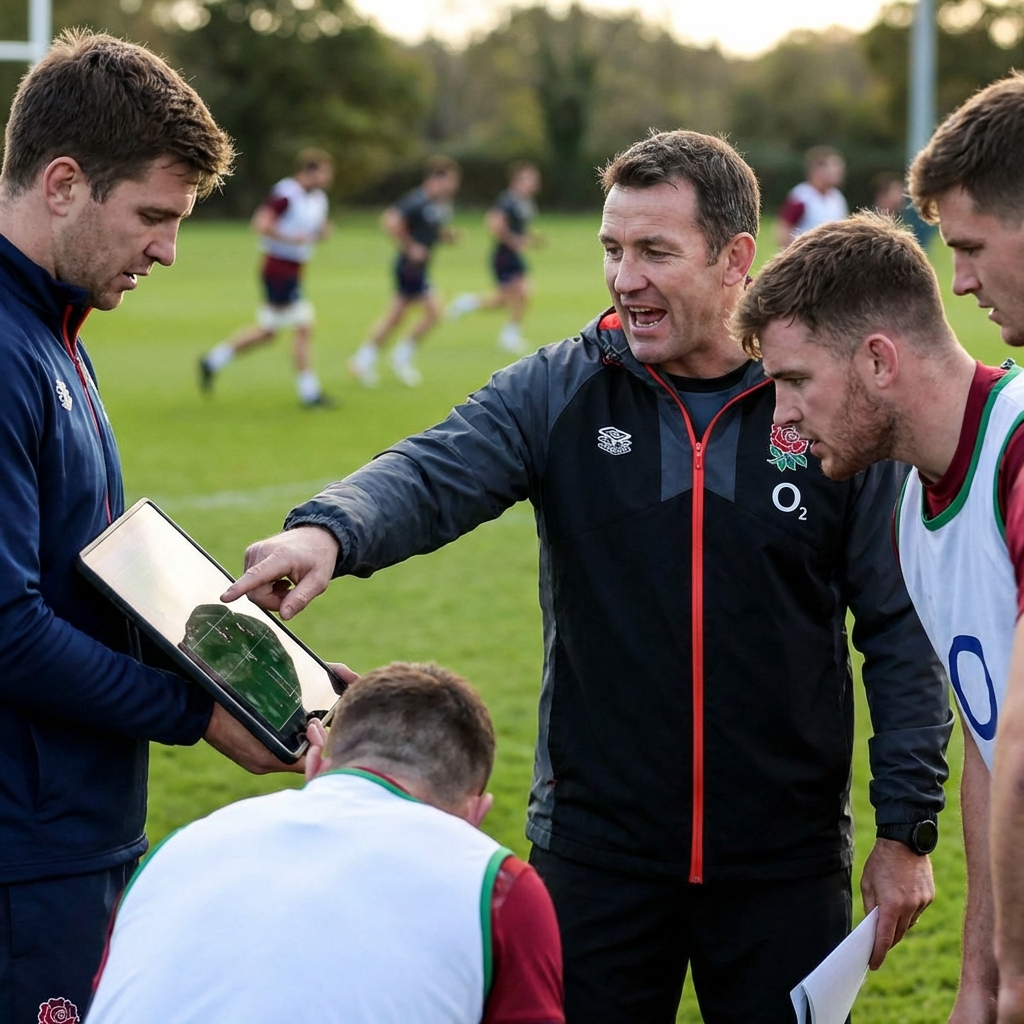
From France's collision dominance to England's folding defence - what grassroots coaches can learn from the 2026 Six Nations.
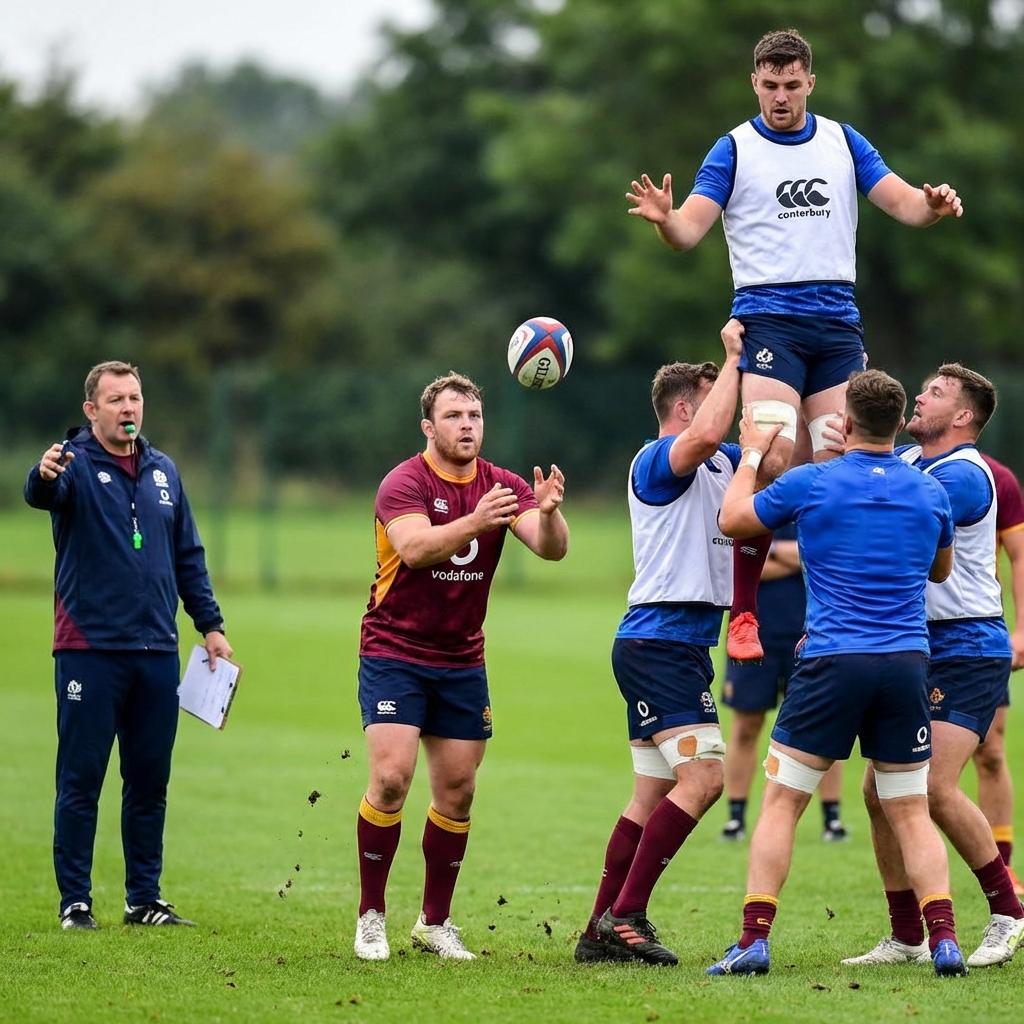
The removal of "not-straight" on uncontested lineouts transforms your set-piece options. Here's how to exploit the new rule.

2026 brings revolutionary changes to international rugby: a brand new global tournament, historic tours, and law changes that will reshape the game. Here's everything coaches need to know.