Take a fall for example, the body stops when it hits the floor so it takes a few seconds to get up and recover. Can you afford to waste these few seconds?
Now imagine, as the athlete falls, they move into the forward/backward/sideways roll and are able to get up very quickly and continue with the game. Seconds are saved and composure is still set.
Forward Rolls
–
Forward rolls could be used in a lot of situations. This motion carries on going forwards which could be useful in order to get to the ball.
Backward roll –
Backwards rolls would be useful after a tackle. If the athlete is pushed back then they are going in the right direction to roll backwards, instead of falling and having to stand back up. (In a recent football match between Tiverton Town and Taunton Town, 2 Tivvy players did backward roll variants after falling down in the first 5 minutes of the 2nd half.)
Dynamic warm up to Support game Ready mind and body
in more ways than one
 sportplan_netball

in more ways than one
sportplan_rugby
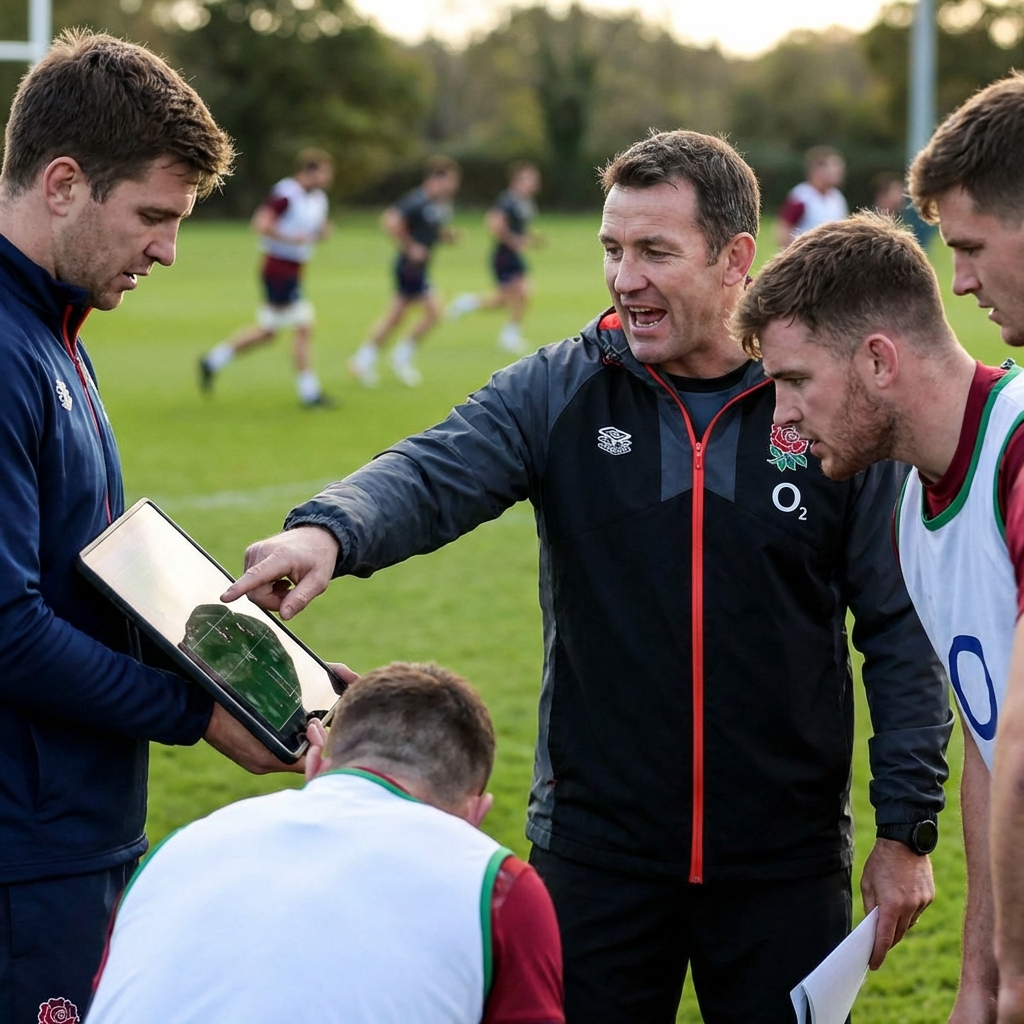
From France's collision dominance to England's folding defence - what grassroots coaches can learn from the 2026 Six Nations.
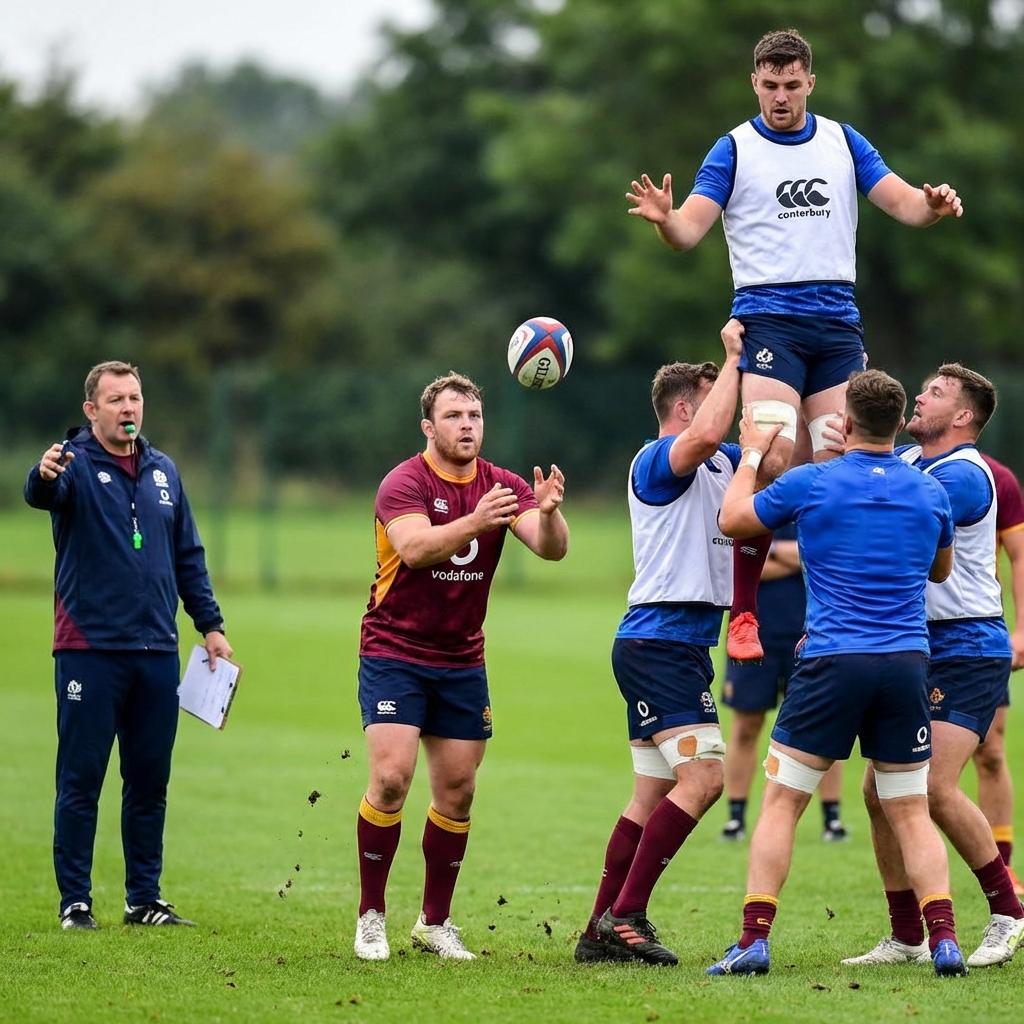
The removal of "not-straight" on uncontested lineouts transforms your set-piece options. Here's how to exploit the new rule.
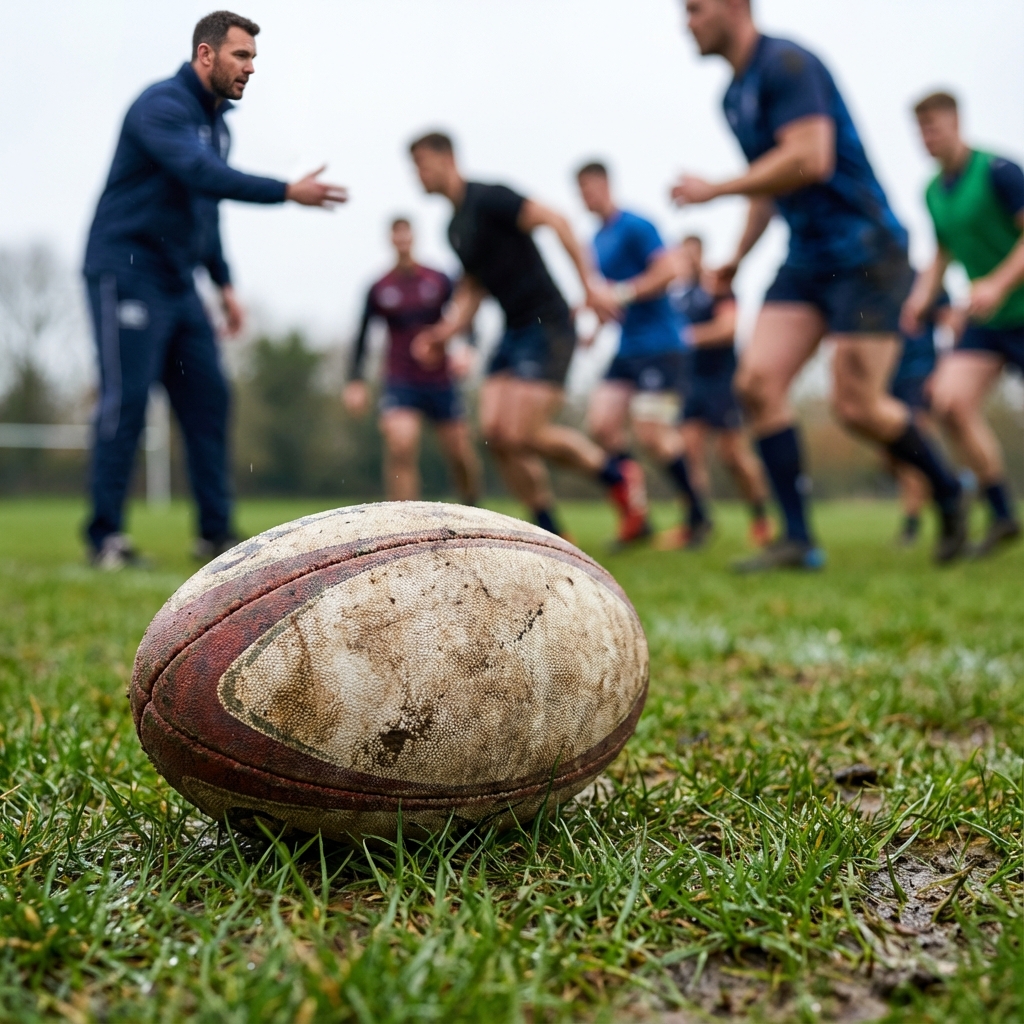
2026 brings revolutionary changes to international rugby: a brand new global tournament, historic tours, and law changes that will reshape the game. Here's everything coaches need to know.