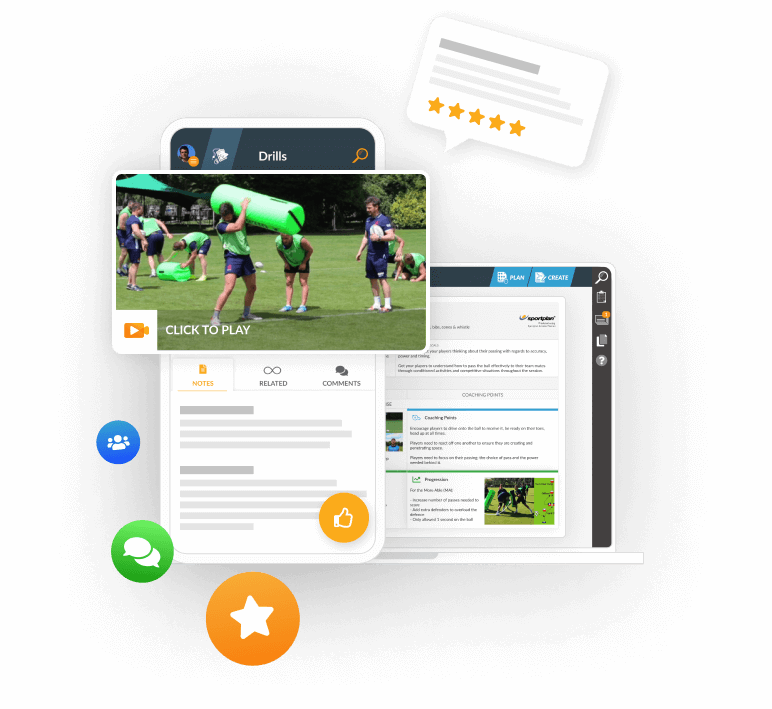
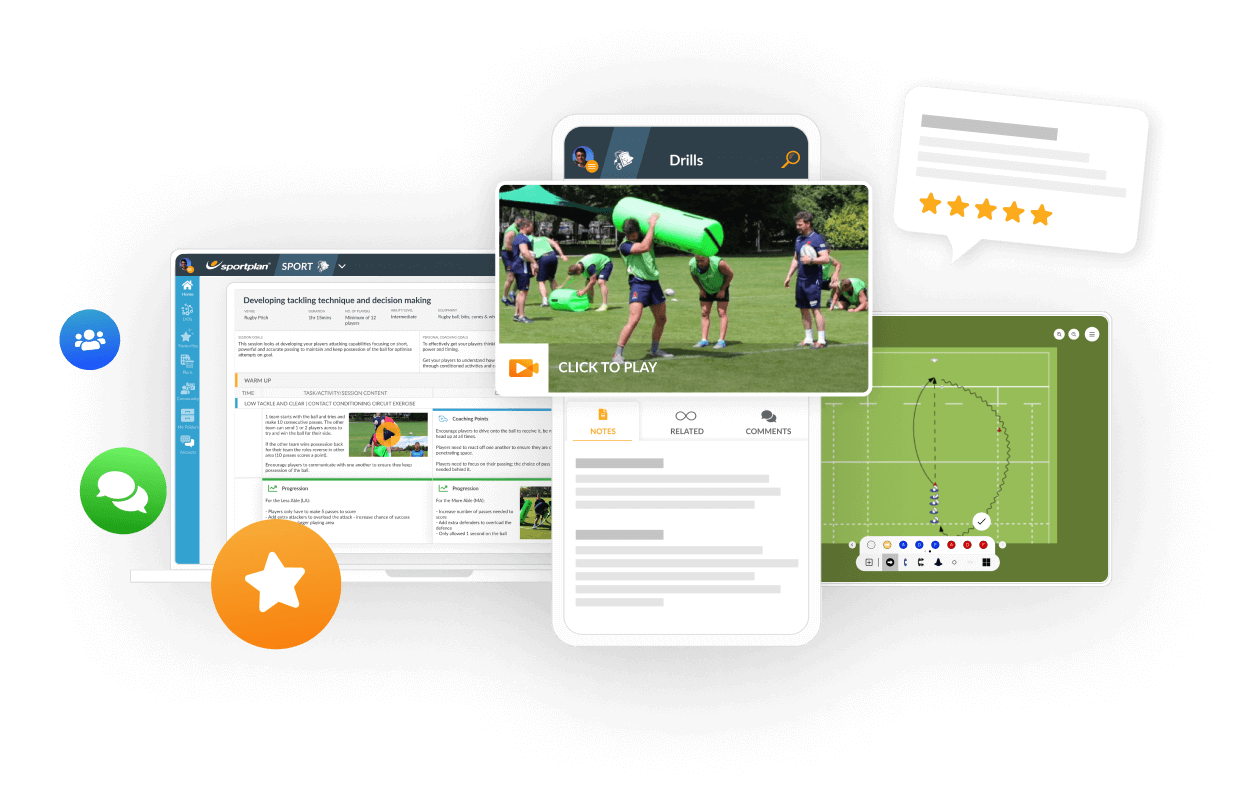
One Sport Leader to run, another to use small development area, building confidence to pass and catch a rugby ball.
First speak about the importance of "Hands Up Rugby" ask group why do we want our hands up in attack when passing and receiving the ball.
Then, ask players to line up upon the cones 3 metres apart in rows of 4, with others facing
Tell players to move forward, passing the ball down the line. When the ball gets to the last receiver, that player will pass it to the first receiver in the next line that is waiting to go.
They should advance right away. Allow the players to simply move the ball down the line. Promote quick hands.
Passer
Two hands upon the ball
No need to spin as only 3 metres apart.
Aim to where the receiver is going to be. The pass is weighted in terms of distance, speed, and accuracy.
Receivers
Hands should be out, presenting a target point towards passer.
Catch the ball off the chest in two hands, ready to pass ball.
Players demonstrate good communication . Communication should be efficient, effective, and encouraging. Receivers should identify themselves, their location etc. "PASS" "LEFT etc
Mistakes will be made, allow your players the freedom to make mistakes without feeling a failure.
After 3 minutes, swap so players get to pass off both hands
in more ways than one
 sportplan_netball
in more ways than one
sportplan_rugby
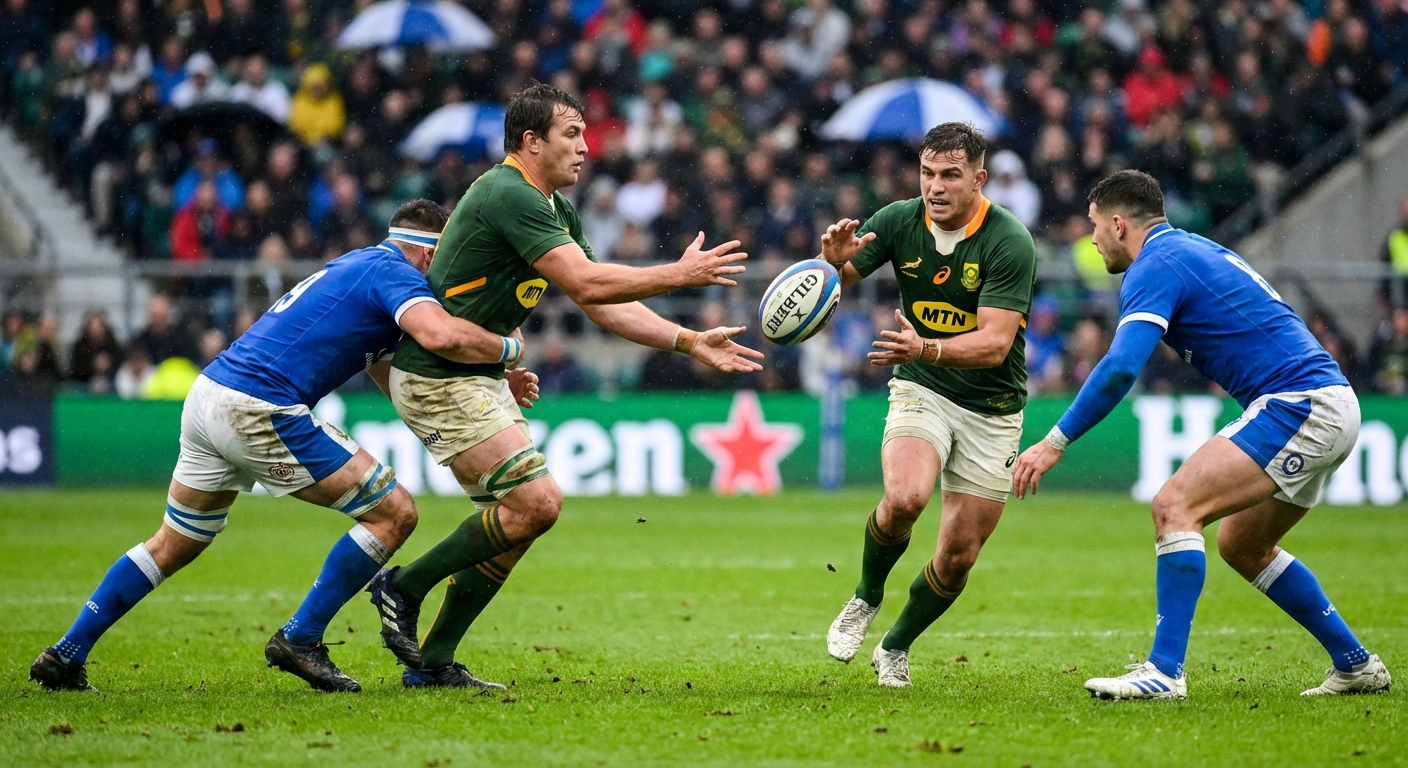
The offload is one of rugby's most devastating weapons when executed well, turning a defensive collision into a second-phase attacking opportunity. This article breaks down the technique, timing, and training progressions coaches need to develop confident offloaders at every level.
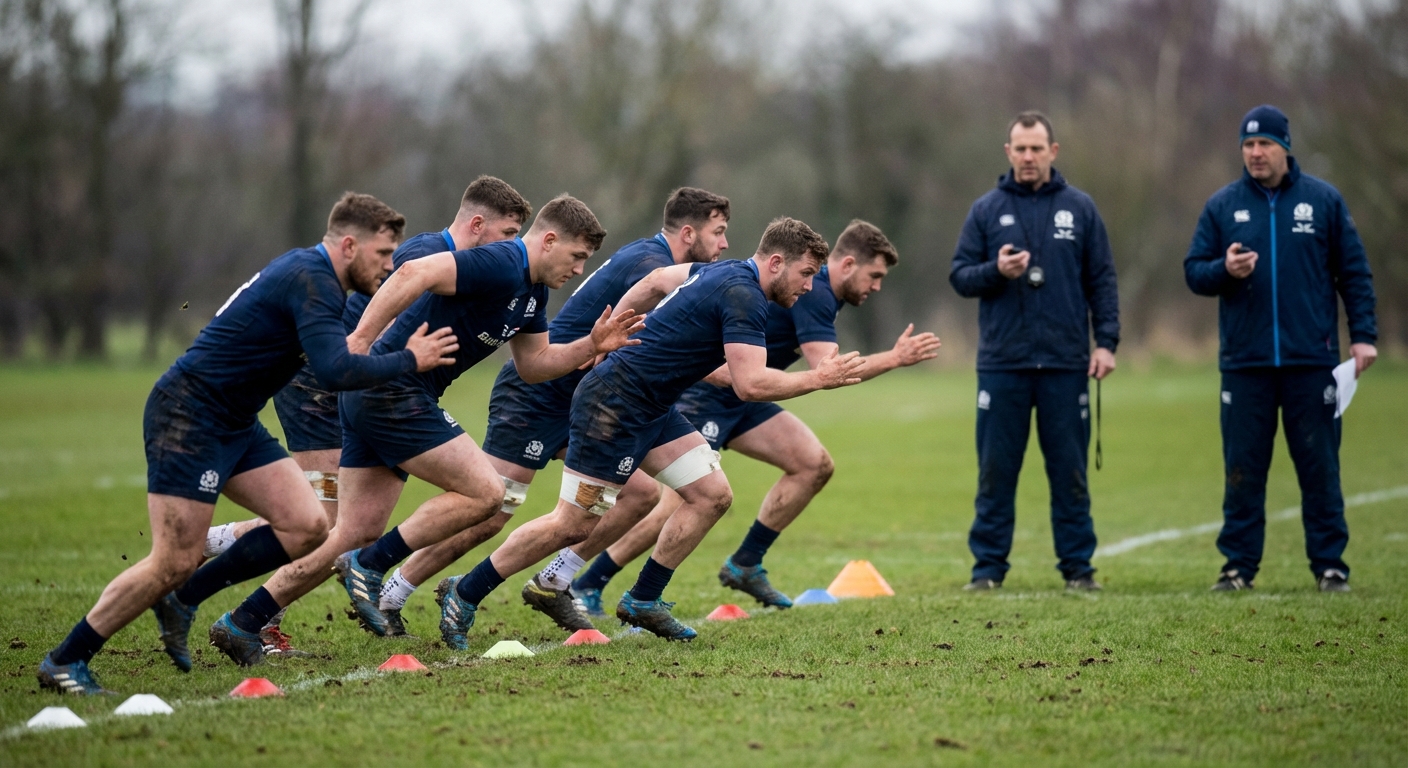
Defensive line speed is the single most important factor in shutting down attacking opportunities before they develop. This guide explores how to coach your defensive line to push up as a connected unit, communicate under pressure, and deny the opposition time and space.
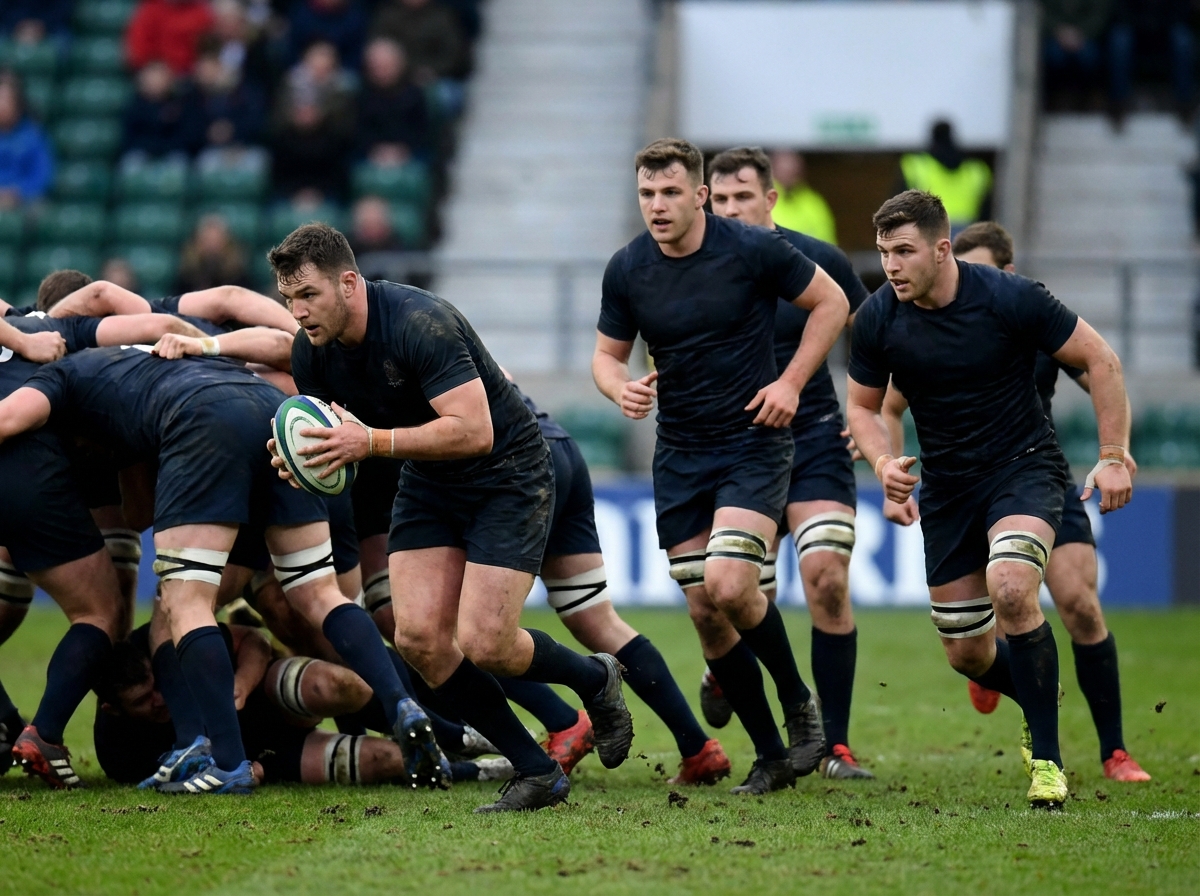
The teams winning in 2026 aren't taking risks - they're grinding out territory with relentless pick-and-go phases. Here's how to coach it.