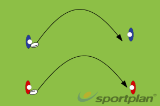
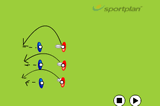
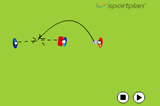
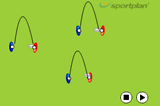
Drill to practice catching high kicks.
Set up a grid roughly 15m long and 10m wide.
Get a line of players on one side of the grid, and a coach or kicker on the other side.
The coach kicks the ball high into the air, the player at the front of the line runs into the grid and tries to catch the kick. Once they have caught the kick they pass the ball back to the coach and join the back of the line.
The coach then kicks the ball for the next player in line to catch.
PROGRESSION:
Encourage players to jump as they catch the ball
Add in a defender to put pressure on the player catching the ball.
Catching technique - the player should position themselves side on so that if they drop the ball it will not be a knock-on. They should try to cushion the ball by bringing it into their body.

in more ways than one
 sportplan_netball


in more ways than one
sportplan_rugby
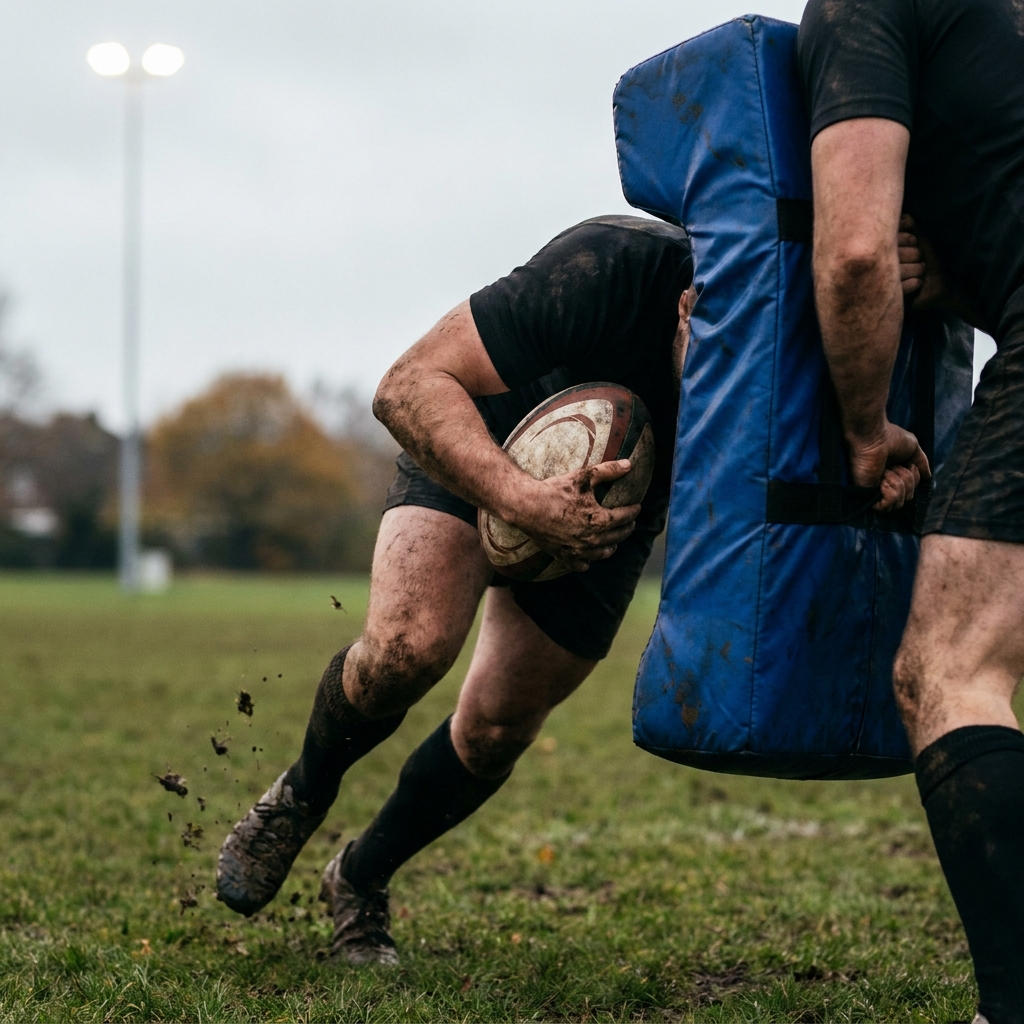
Tacklers are aiming lower, so carriers who dip late put heads at risk. Teach footwork, a strong early body height and leg drive to win the collision safely.
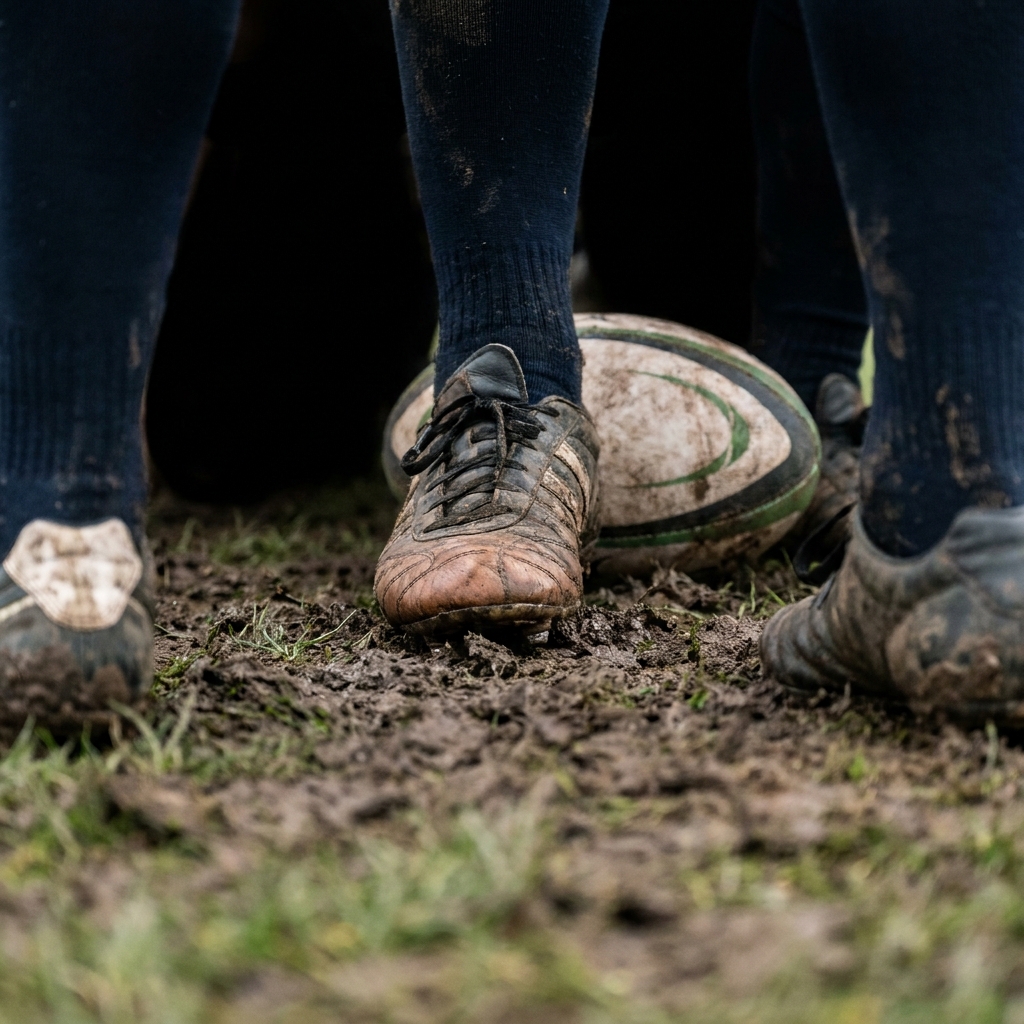
The hooker's brake foot moved from trial into full law in July 2026. Here is how to coach it so your front row stays stable, legal and safe.
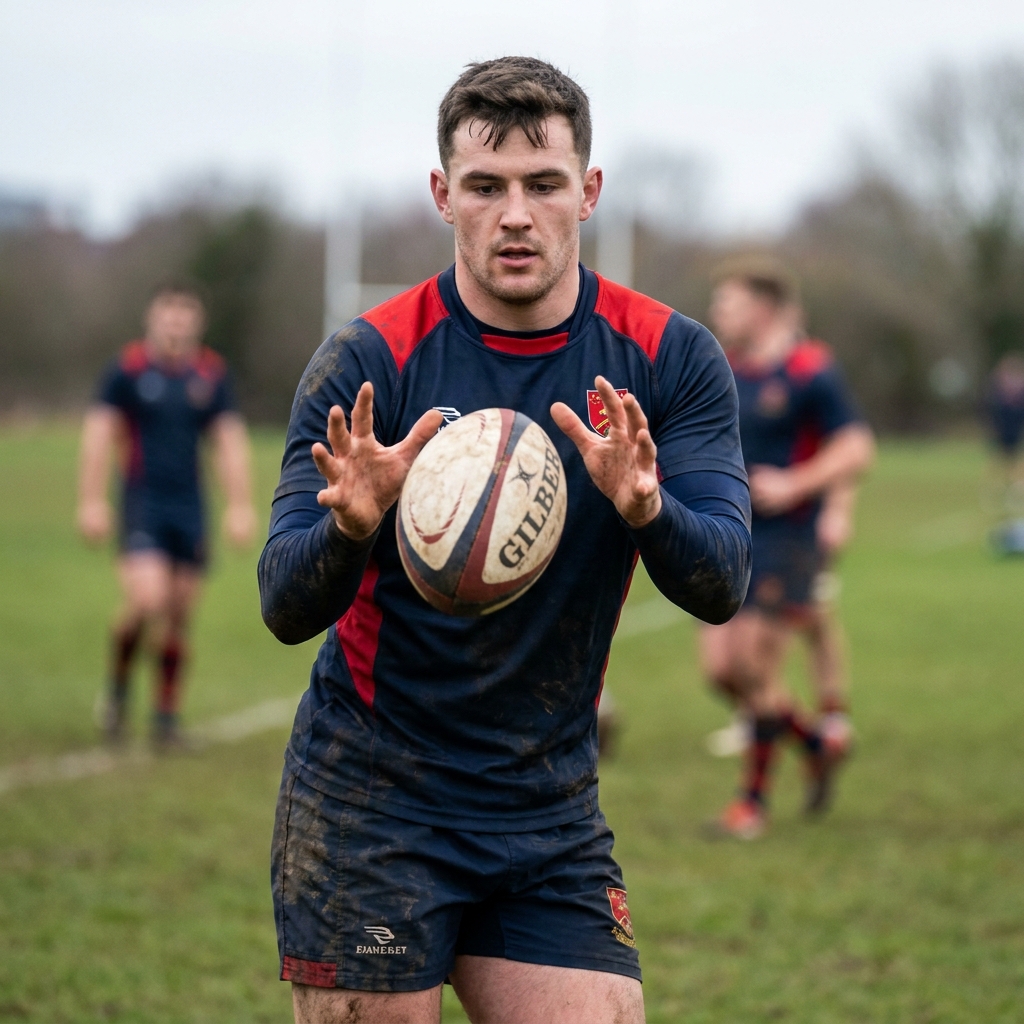
Your players can pass beautifully in a warm-up grid. Then a defender closes, their lungs are burning, and the ball goes to ground. Here is how to build catch-pass skills that hold up when it matters.