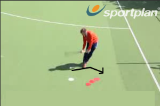
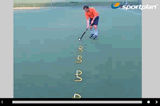
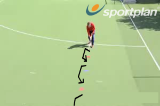
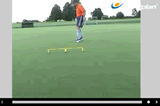
- Perform a stick dink while changing direction
- At red cones, perform a 45 degree lift
- At blue cones, straighten up
- Players should look to explode away after each lift. There is no point eliminating a player slowly, as this will give the defender a second chance to take the ball
- Use the momentum of the ball to aid the lift
- The controlling of the ball at the end of the lift is just as important as the lift itself. Make sure soft hands are instilled into your players
- Use 3D markers to promote larger lifts
- Introduce a passive defender to track the run, introducing additional pressure on the ball carrier

in more ways than one
 sportplan_netball



in more ways than one
sportplan_hockey

A few weeks into the league season, poor first touches are costing teams the ball. Coach body shape, scanning and receiving on the move to keep possession.

Pre-season fitness fades fast once the league starts. Build conditioning into ball work and use rolling subs well to keep your squad sharp all season.

The first weeks of the season decide whether a junior or new player sticks with adult hockey. Here is how to keep them safe, give them a clear job and build their confidence from the very first bully.