New rule guidance lands every season and most of it never touches a Saturday. This year is a little different. England Hockey's guidance for 2026/27, following the latest revisions to the FIH Rules of Hockey, includes a change that has been running as a trial and is now permanent, plus a handful of clarifications that will catch out any squad that has not been told about them.
The changes apply from 1 September and cover both adult and junior competitions. Some leagues and clubs choose to adopt them early in pre-season friendlies, which is a sensible way to get everyone familiar before the points start counting.
The Aerial Ball Rule Becomes Permanent
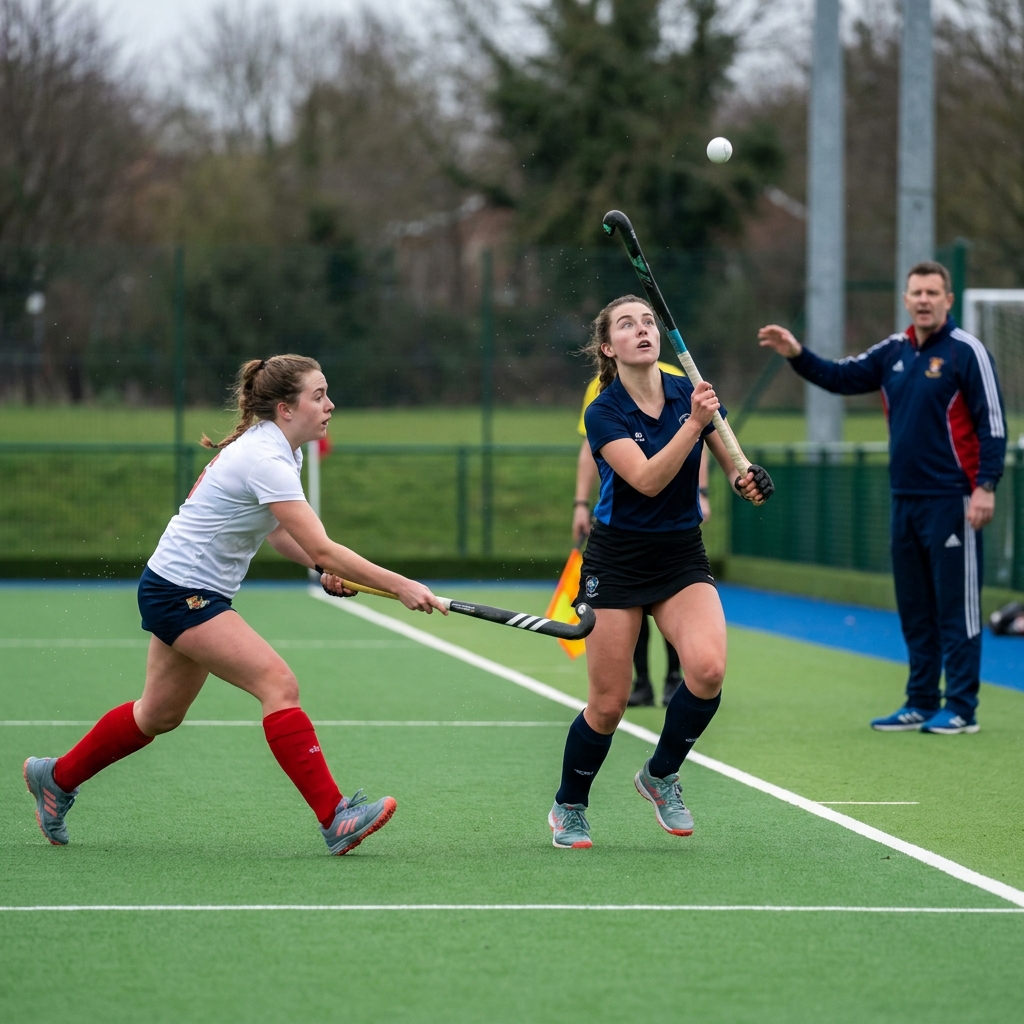
The headline change is that the aerial ball rule has been permanently adopted across all England Hockey competitions. Under it, a defender may approach once the receiver has touched the ball, rather than having to wait until the receiver has controlled it and brought it to the ground, provided the initial five metres of safe space were respected.
That sounds like a small distinction and it is not. The window in which a receiver is protected is now shorter, and the moment the contest becomes live is earlier and easier for umpires to see. Receivers who were used to taking a comfortable extra second to settle the ball will find an opponent arriving sooner than they expect.
Penalty Corner Equipment and the Yellow Card
There is revised guidance on the disposal of penalty corner protective equipment. If a person is hit on or above the knee in a normal stance by discarded equipment, the player who threw it receives a yellow card.
This is worth ten minutes of your pre-season time, because it is a purely behavioural change. Defenders coming out of a corner have historically flung masks and gloves aside without much thought. Teach the squad to place equipment down and to the side rather than throwing it, and you will never have to think about the rule again.
Goalkeeper Equipment and Other Clarifications
The maximum permitted size of a goalkeeper's left-hand protector has increased to 365mm, which allows manufacturers to produce larger gloves that remain legal under FIH regulations. If your keeper is due new kit, this is useful to know before they buy.
Alongside these, the guidance includes clearer sanctions for having too many players on the pitch, and further clarifications for goalkeepers and umpires. None of these should change how you play, but a squad that knows about them is a squad that does not argue with the umpire in week one.
How to Brief Your Squad
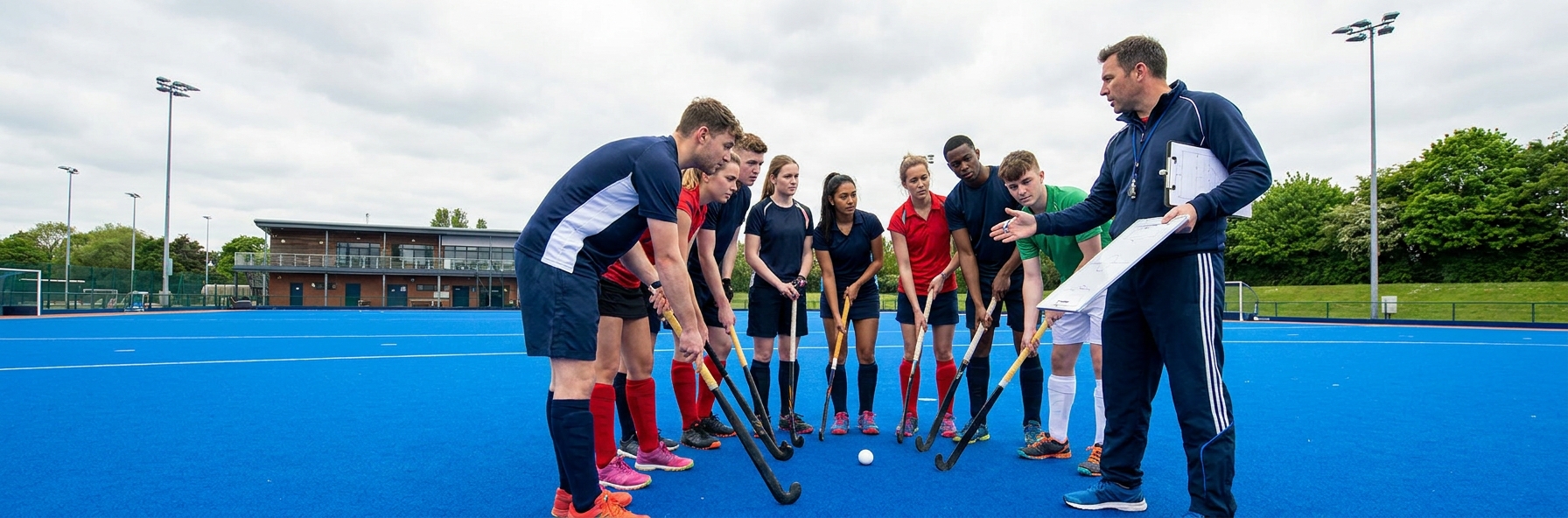
Step One: Cover it once, properly, in a pre-season session rather than drip-feeding it. Ten focused minutes with everyone present beats five separate conversations.
Step Two: Coach the aerial change with the ball, not the whiteboard. Set up receipts under a falling ball with an approaching defender and let players feel how much less time they have.
Step Three: Rehearse the equipment habit at your first penalty corner practice, so placing kit down becomes automatic before anyone is under pressure.
Step Four: Tell your umpires and your captains what you have briefed. A captain who understands the change is far more useful than one who reacts to it.
Step Five: Use any early-adopting pre-season fixtures as live rehearsal, and review what actually happened rather than what you expected.
Key Coaching Points
- The aerial rule is now permanent: defenders may approach once the receiver has touched the ball.
- The five metres of initial safe space still has to be respected before any approach.
- Receivers have less settling time, so first touch under a falling ball matters more than ever.
- Place penalty corner equipment down and to the side; throwing it can now earn a yellow card.
- Goalkeeper left-hand protectors may now be up to 365mm, useful before buying new kit.
- Brief the whole squad once in pre-season rather than correcting individuals in September.
Recommended Drills

Frequently Asked Questions
When exactly do the 2026/27 rules apply?
From 1 September 2026, across both adult and junior competitions. Leagues, clubs and organisers may adopt them earlier in pre-season or summer competitions, which many do specifically to help everyone get familiar before the league campaign starts.
Does the aerial change mean the five metre rule has gone?
No. The initial five metres of safe space still has to be respected. What has changed is when a defender may approach after that: once the receiver has touched the ball, rather than once they have controlled it and brought it to the ground.
Do I need to change how we train aerials?
Only in emphasis. Spend more time on a clean, decisive first touch under a falling ball and on what the receiver does immediately afterwards, because the contest now arrives sooner. The receiving technique itself is unchanged.

 sportplan_hockey