







The New Reality
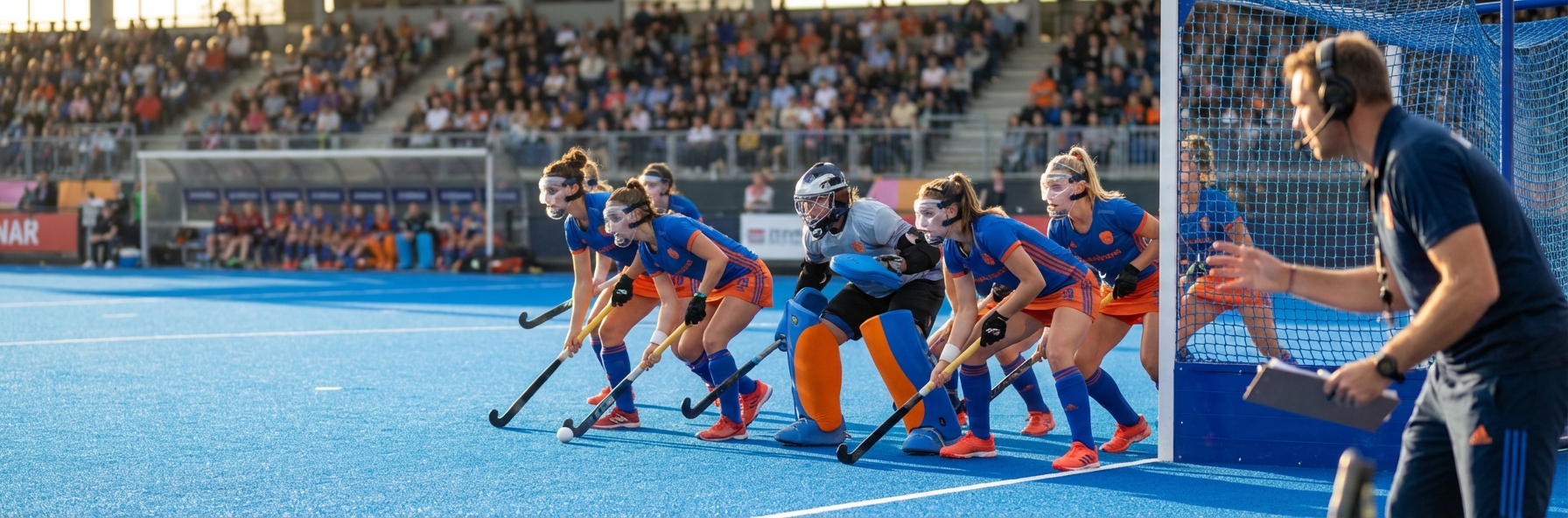
With drag flicks now regularly exceeding 150 km/h at elite level, the FIH has made face masks mandatory for all penalty corner defenders. 2026 is the first full year of implementation across all levels, and coaches need to adapt their training accordingly.
The change isn't just about safety - it affects how players see, breathe, and communicate. Defenders who've never worn masks find their peripheral vision restricted and their normal defensive routines disrupted.

Understanding the Equipment
FIH Mask Categories
The FIH certifies masks in two categories:
- Category 1: Withstands shots up to 80 mph (128 km/h). Required for all senior competition and recommended for all levels.
- Category 2: Withstands shots up to 60 mph (96 km/h). Acceptable for junior and recreational play where drag flick speeds are lower.
What to Look For
Ensure masks have FIH certification markings. Key features include adjustable straps for secure fit, adequate ventilation to reduce fogging, and padding that doesn't obstruct vision. Players should test multiple brands to find what works for their face shape.
Adapting Your Training
1. Wear Masks From Day One
Don't wait until match week to introduce masks. Every penalty corner session should start with masks on. Players need to feel comfortable before the pressure of a real game.
2. Communication Drills
Masks muffle speech and restrict hearing. Develop hand signals and simplified verbal calls. The first runner's call must be louder and clearer than before. Practice until communication is automatic.
3. Peripheral Vision Adjustment
Masks restrict side vision. Runners must turn their heads more deliberately to track the ball and communicate with post players. Build head-turning into your movement drills.
4. Breathing Under Pressure
Some players feel claustrophobic or struggle with restricted airflow. Include high-intensity work in masks during regular training so players adapt to breathing patterns before match situations.

Positioning Adjustments
Post Players
The two defenders inside the goal on either post now wear masks too. Their job remains protecting the posts and reacting to deflections, but they must compensate for reduced peripheral vision by positioning slightly wider to see more of the D.
First Runner
Timing the run to close down the striker is critical. With a mask on, judging the ball's trajectory becomes slightly harder. Start runs a fraction earlier to compensate - better to arrive early than late against a 150 km/h flick.
Cover Runners
Players 2 and 3 cover slip options and straight shots. They must read the corner without committing too early. The mask's restricted vision means they need to be more disciplined about head position - always facing the injection point until the trap is made.
Recommended Drills
Practice these Sportplan drills with masks on from day one:


Equipment Maintenance
- Anti-fog treatment: Apply anti-fog spray or wipes before every session. Fogging mid-corner is dangerous.
- Strap check: Loose straps mean the mask shifts on impact. Check tightness before every corner.
- Damage inspection: After any significant impact, check for cracks or damage. A compromised mask should be replaced immediately.
- Hygiene: Wipe masks down after sessions. Shared masks should be sanitised between users.
Frequently Asked Questions
Do all defenders need masks or just the runners?
All defenders inside the D during a penalty corner must wear FIH-certified face protection. This includes post players, runners, and any player who starts behind the goal line.
Which mask category do I need for club hockey?
Category 1 is recommended for all adult competition. Category 2 is acceptable for junior leagues (typically U16 and below) where drag flick speeds are lower, but check your league's specific requirements.
How do you stop masks fogging up?
Use anti-fog spray before sessions, ensure good ventilation (some masks have better airflow than others), and avoid breathing through your mouth if possible. Some players use a small amount of washing-up liquid rubbed on the inside as a budget anti-fog solution.
What if a player refuses to wear a mask?
They cannot defend penalty corners. It's non-negotiable under current FIH rules. Work with reluctant players during training to help them adapt - claustrophobia concerns often fade with gradual exposure.

 sportplan_hockey









