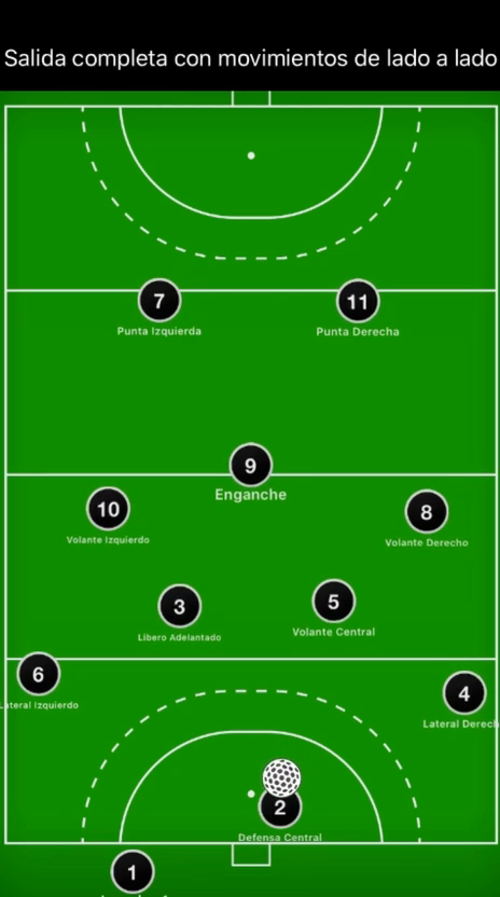
Version 1 Groups of 3 to a circle. The circle can be formed of sticks or cones, with two openings at opposite ends. Two players have a stick and ball each, one player is inside the circle, the other is outside. The third person is the chaser. Procedure Chaser tries to tag the ball-carrier outside of the circle, who must try to dribble away around the circle. Ball-carrier can "escape" by entering the circle via an opening, at which point, the player inside the circle must take their place (preferably by exiting from the opposite opening). When outside ball-carrier gets tagged, either swap with other ball-carrier, or switch the chaser. Version 2 2 players per cone square. Players each have a ball and stick. One is "it" and must chase the other around the outside of the square. Encourage players to keep changing directions. Swap roles and pairings occasionally.
Encourage ball-carriers to change direction. More advanced players may be able to 3D over the wall of the circle and therefore go inside/outside at any point of the circle. With a GK: GK can dribble with feet. If slower, put them with younger players. No need for helmet or stick. Based on these videos: https://www.youtube.com/watch?v=3Cv3XF-gg_Q&list=PLvBkIbHr1EkTs14E8Oaiot48LaU5h0CgJ&index=7 https://www.youtube.com/watch?v=cVJoJSvQuHM&list=PLvBkIbHr1EkTs14E8Oaiot48LaU5h0CgJ&index=9
This practice has no coaching points
This practice has no progressions

in more ways than one
 sportplan_hockey

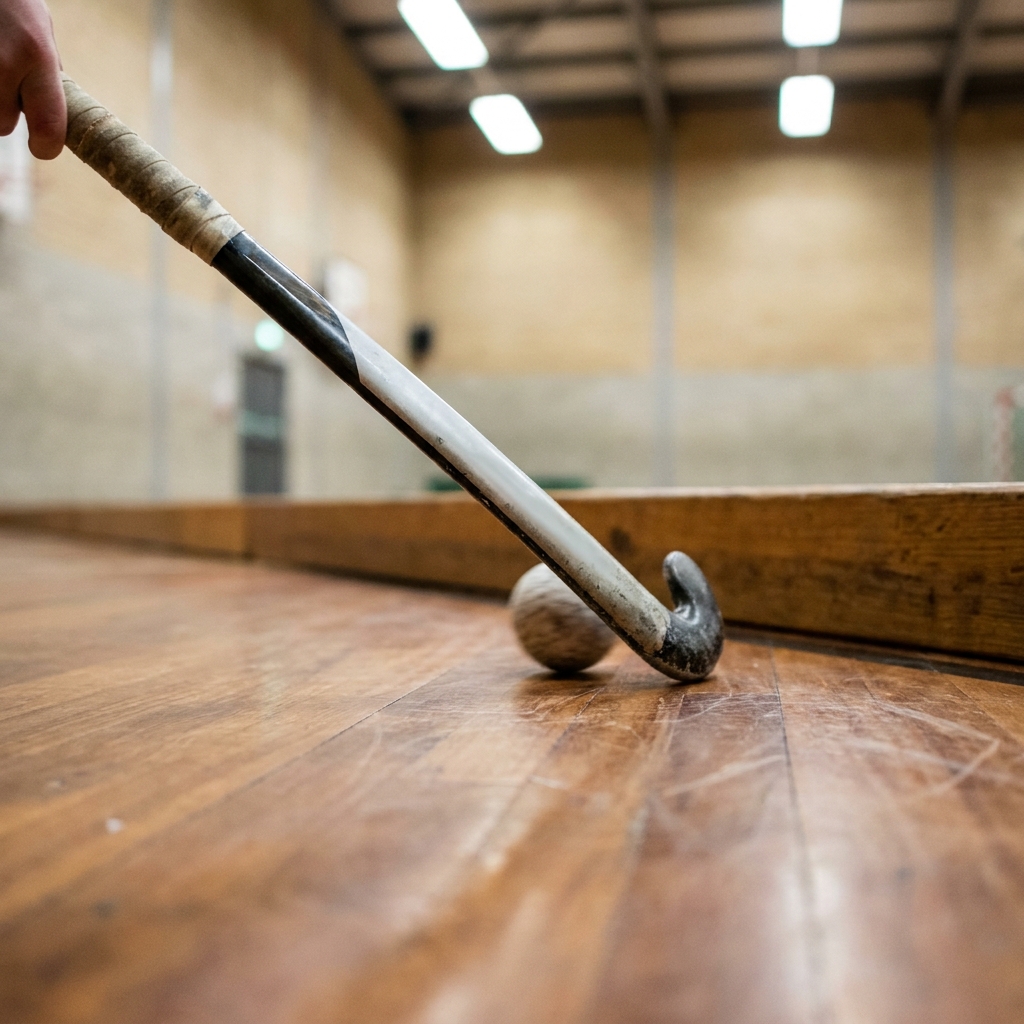
As clubs start their indoor fixtures, outdoor habits get punished fast. Here is how to retrain the skills that actually change indoors.
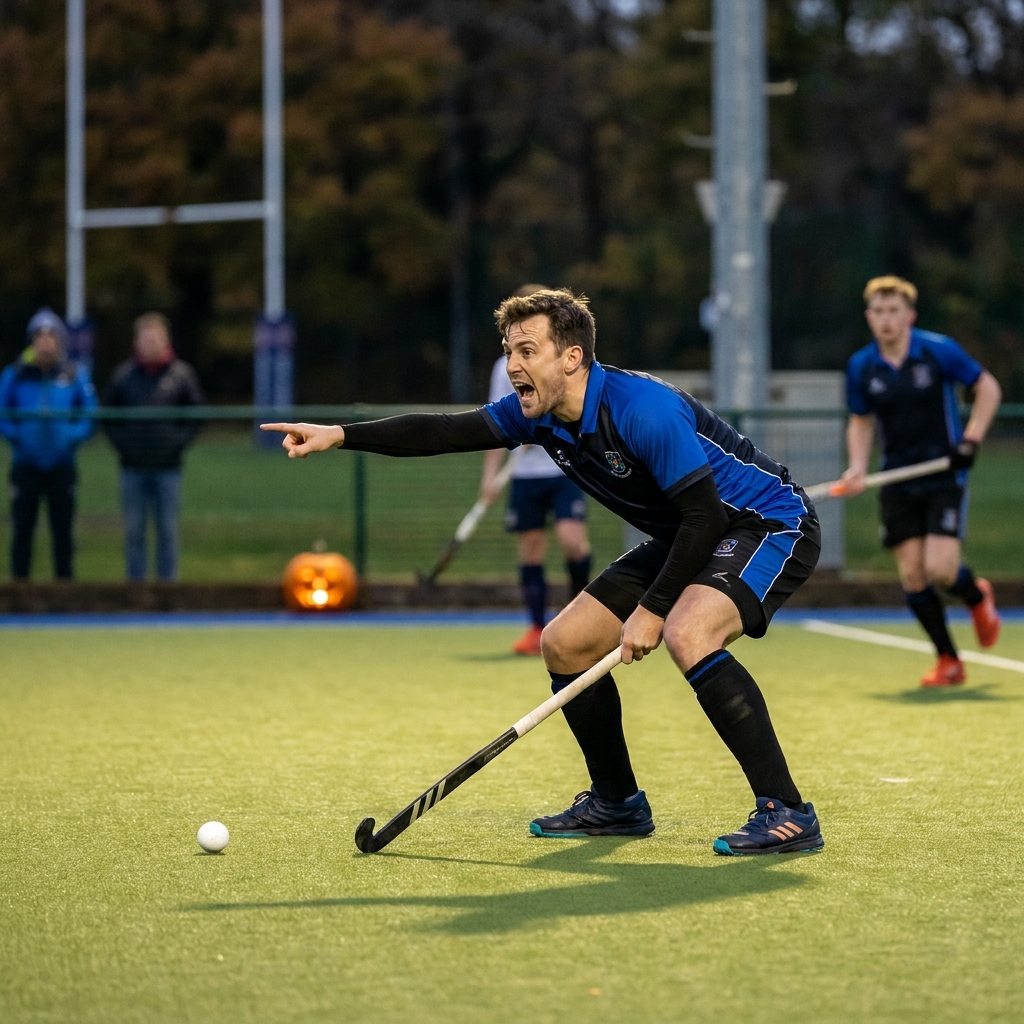
Two defenders chase the ball, nobody covers the runner, and a soft goal goes in. Here is the five-step treat for the mix-up haunting hockey defences this October.
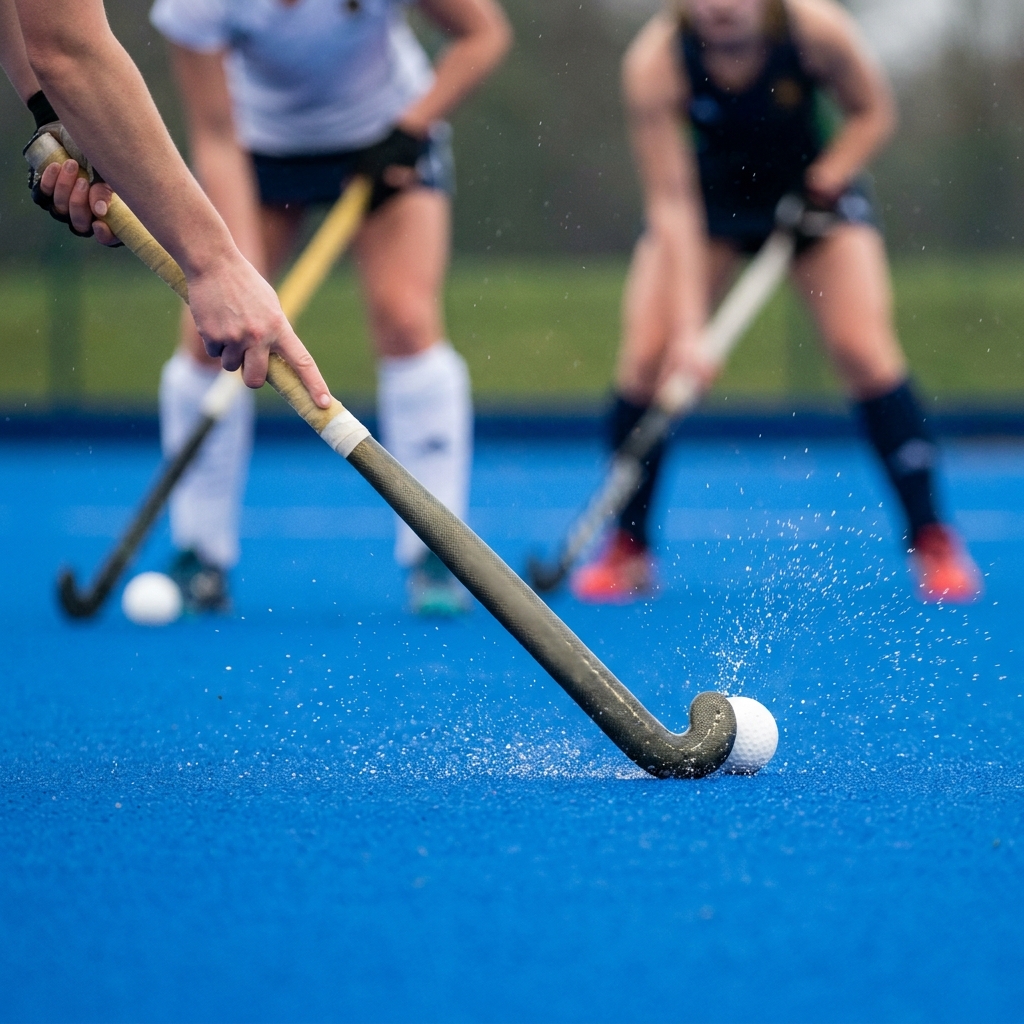
A few weeks into the league season, poor first touches are costing teams the ball. Coach body shape, scanning and receiving on the move to keep possession.