

This is the last of the types of trapping for this session. The balls are only going to be below knee high as anything above is considered dangerous unless it in an aerial (trapping/ taking down aerials is covered in another session). The drill is broken down into similar stages to the last two drills (forehand and reverse side). The start is all about getting the basic technique right which is important on balls that are bouncing as if you miss trap them you are likely to put it onto your own foot and cause a foul. Trapping with a bobble should be practiced on the reverse and forehand sides. To start with player should throw a ball so it bounces on the astro in front of the player to then trap.
3D trapping specific:
- You use the exact same techniques outlined above for reverse and forehand trapping but you should the stick position to more up right. This means if you have lined the stick and the ball line up correctly, you will trap the ball somewhere on the stick- doesn't matter what height as the stick length will cover that. If you have the stick angled you risk the ball coming up your stick into your body or bouncing down and away. Players still need to cushion the ball into their bodies to help reduce the distance the ball then goes afterwards.

in more ways than one
 sportplan_netball



in more ways than one
sportplan_hockey

The first weeks of the season decide whether a junior or new player sticks with adult hockey. Here is how to keep them safe, give them a clear job and build their confidence from the very first bully.
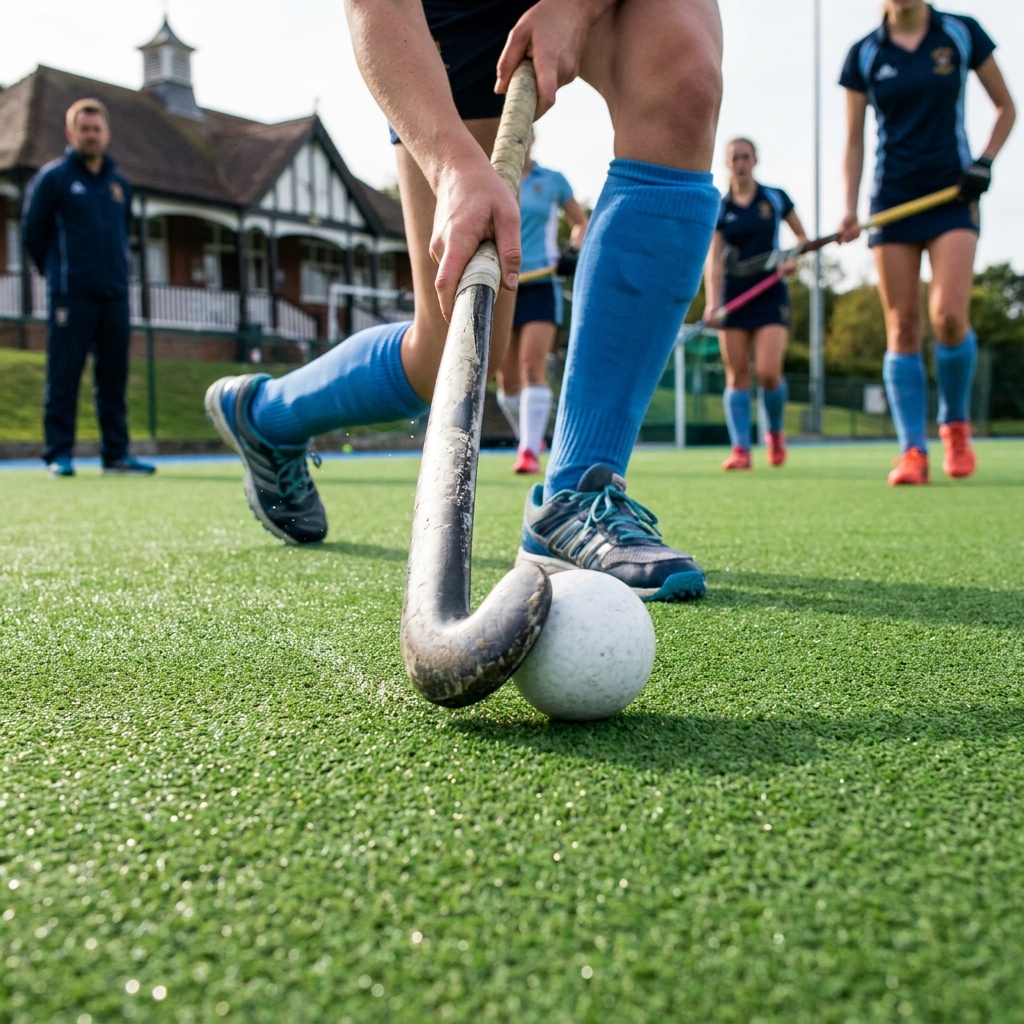
Most tackles are lost before the stick goes down. Teach your defenders to channel, wait and choose the right tackle, and you will win more ball and give away fewer cards.
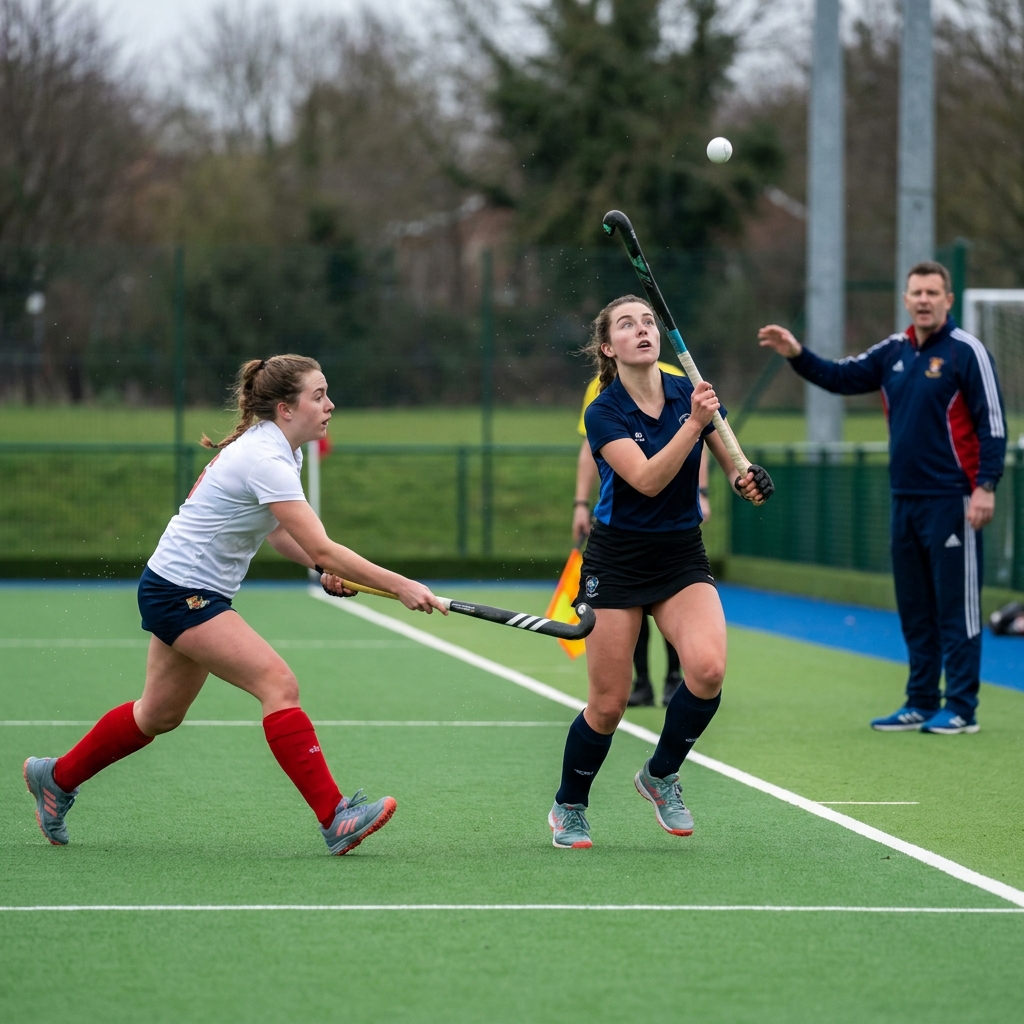
England Hockey's rule guidance for 2026/27 takes effect from 1 September. Here are the changes that will actually alter how you coach, and how to brief your squad in one pre-season session.









