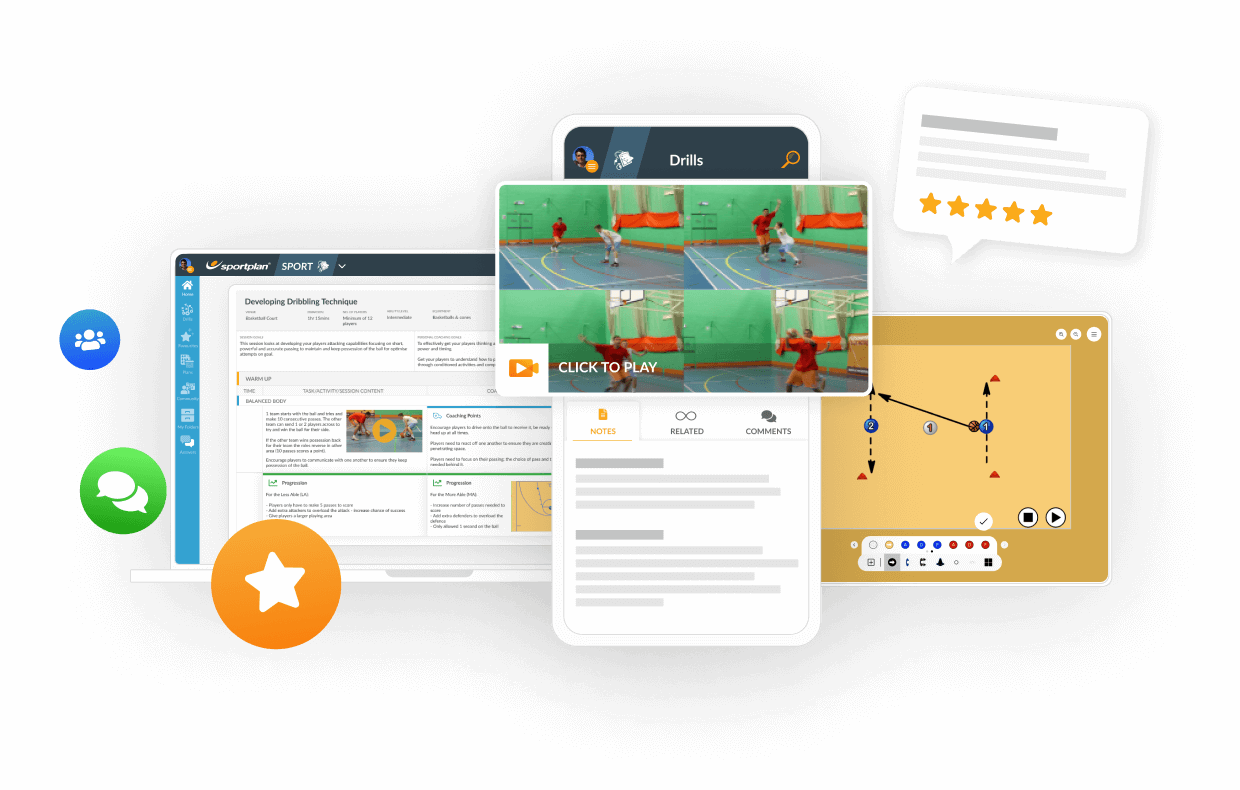
O primeiro jogador (sem bola) desmarca-se e utiliza o bloqueio do poste para receber a bola e finalizar. O jogador seguinte desmarca-se para o lado contrário para receber a bola e também finalizar.
Se o defesa seguir atrás do atacante, este utiliza o bloqueio em forma de onda para receber a bola e finalizar com bandeja (lay up) ou floater ou up and under.
Se o defesa não seguir o atacante e ficar na mesma linha que o poste pelo lado de dentro, o atacante deve seguir para aproximadamente 60 graus para receber a bola e lançar.
Se o defesa ficar acima da linha do poste, o atacante deve utilizar o bloqueio e seguir para o canto curto para receber a bola e lançar.
O atacante deve correr calmamente para a tabela. Chegando perto dela deve disparar para utilizar o bloqueio porque corresponde ao momento em que a defesa está mais relaxada por ter impedido o passe durante o corte do atacante.
NB: Pode-se adaptar para diversas formas de lançamento.
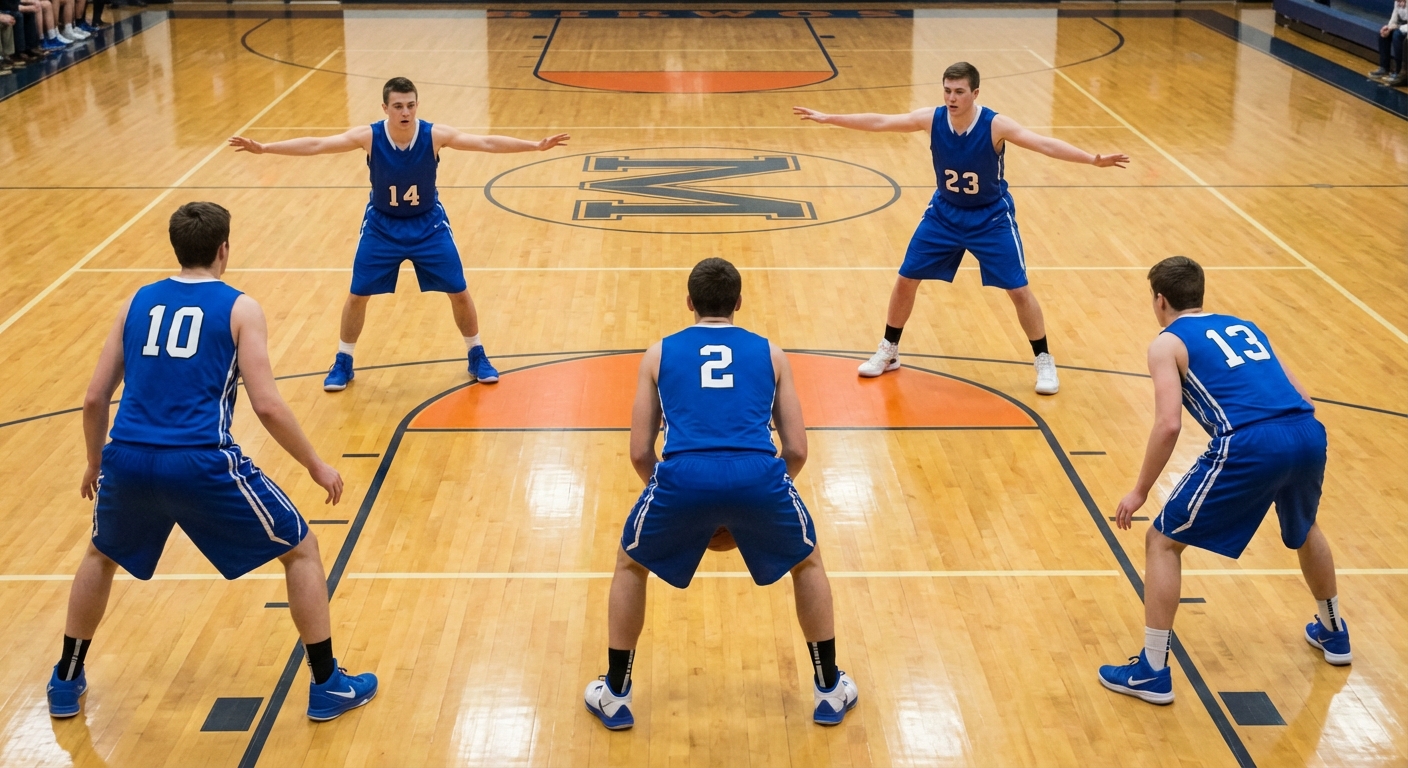
The 2-3 zone defence remains one of the most effective defensive systems in basketball when coached and executed properly. This guide covers the fundamentals of running a 2-3 zone, including player roles, rotations, and when to deploy it for maximum impact.
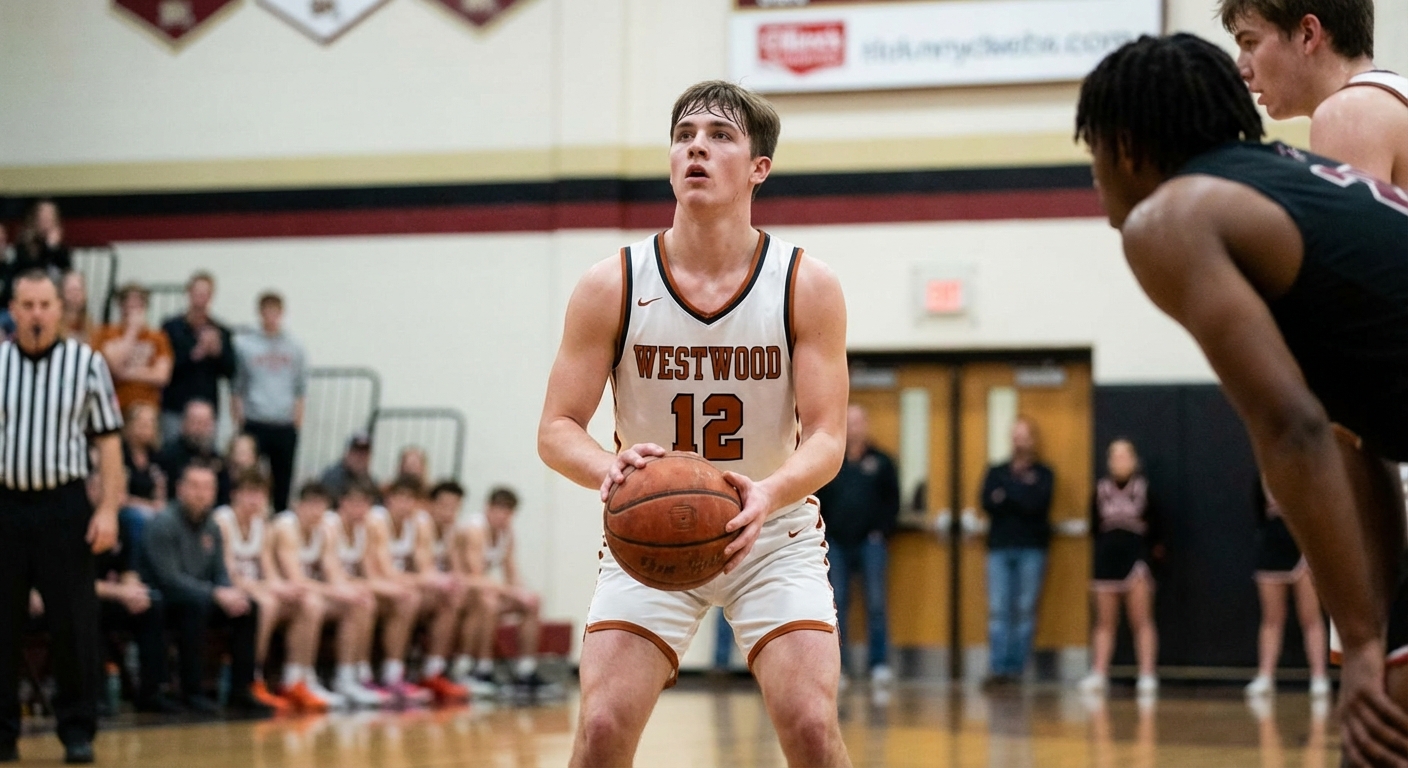
Free throws are the most practised yet most inconsistent shot in basketball. This article explores the mechanics, mental approach, and training methods that build a free throw routine capable of holding up when the game is on the line.
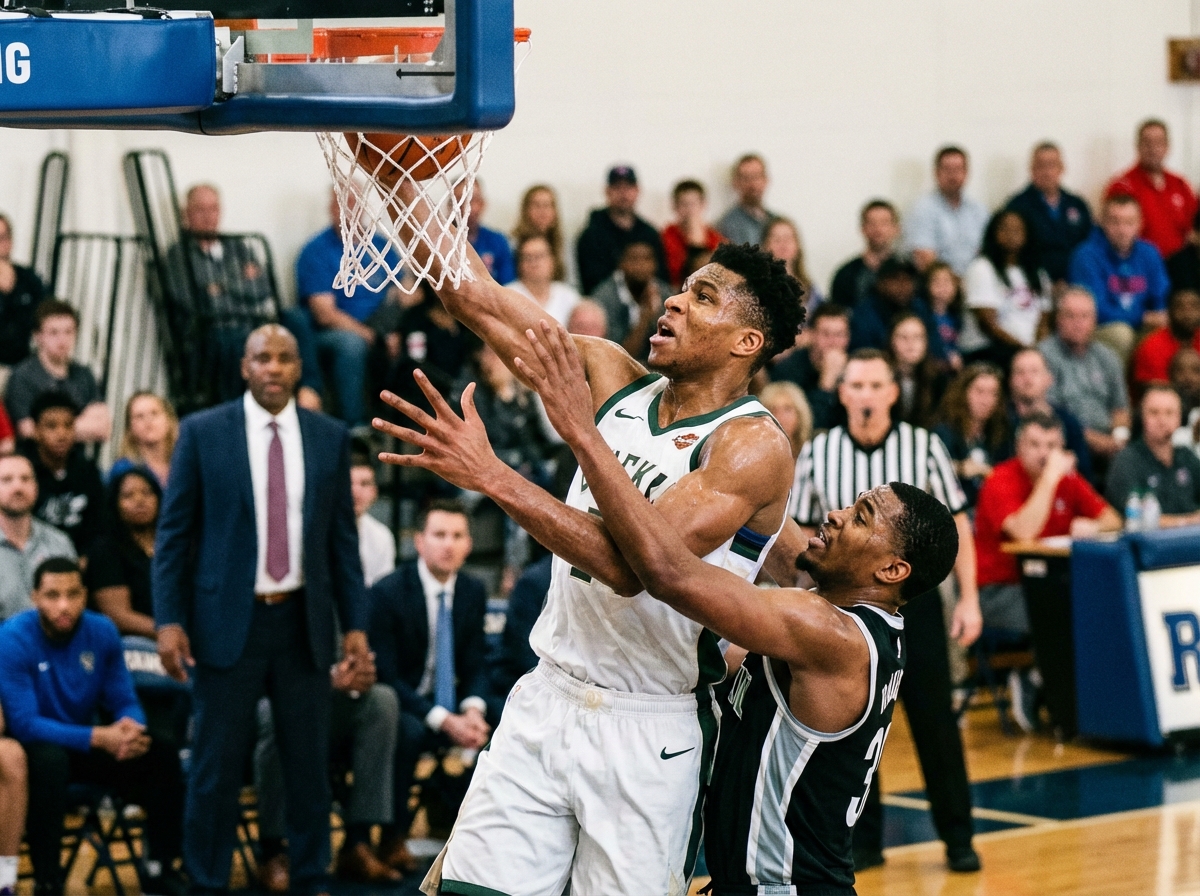
Rule enforcement is tightening on flops and charge-drawing. The coaches who develop real attacking skills will thrive - here's how.


Register for FREE and get coaching tips, top drills, session and more every week!