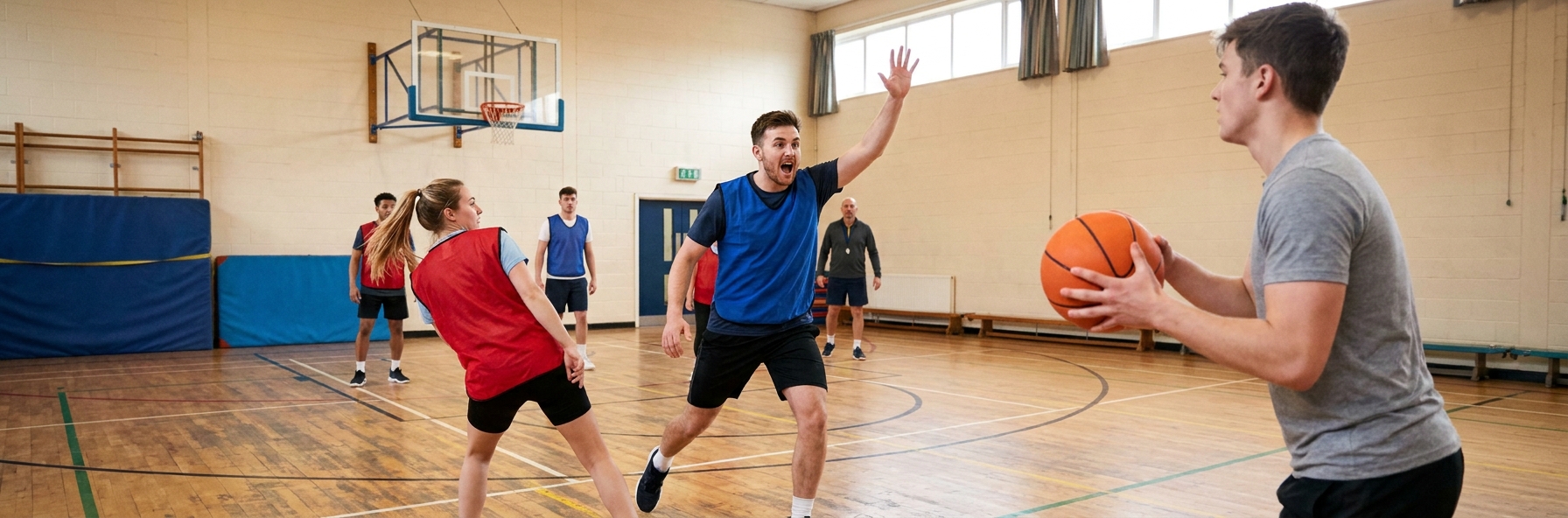
Early in the season, most offences look the same. One player has the ball and the other four stand and watch, waiting for a pass that never comes. The ball handler gets trapped, picks up the dribble and the possession ends in a turnover or a forced shot.
The fix is rarely a new play. It is teaching players how to get open without the ball. The V-cut, the L-cut and the back cut are simple, but once a team uses them with purpose, passing lanes appear and good defences have to work much harder.
Why Players Struggle to Get Open
There are three common problems. Players cut at one speed, so the defender simply runs with them. They drift towards the ball instead of moving away first, which takes their defender straight into the passing lane. And they never read the defender, so they make the same cut whether they are being guarded tightly or left alone.
Getting open is a contest of timing and change of pace, not raw speed. A slow step towards the basket followed by a sharp burst back to the ball beats a flat-out sprint every time. The cutter wants the defender to lean, and then go the other way.
A Simple Framework for Cutting
Step One: Set the defender up. Walk your defender towards the basket or the lane for two or three steps. This creates space to come back into and makes the defender commit to a position.
Step Two: The V-cut. Plant the inside foot hard, push off and explode back out towards the wing at a sharper angle. The shape is a V: slow in, fast out. Show a target hand away from the defender and call for the ball.
Step Three: The L-cut. Start low near the block, run up the lane line to the elbow, then plant and cut straight out to the wing. The right angle at the elbow creates separation, and it works well when the defender is sitting in the lane.
Step Four: The back cut. If the defender overplays and gets in the passing lane, punish them. Plant the outside foot, turn your head to the ball and cut hard behind the defender to the basket. The passer must read it too, using a bounce pass or a lob away from the defender.
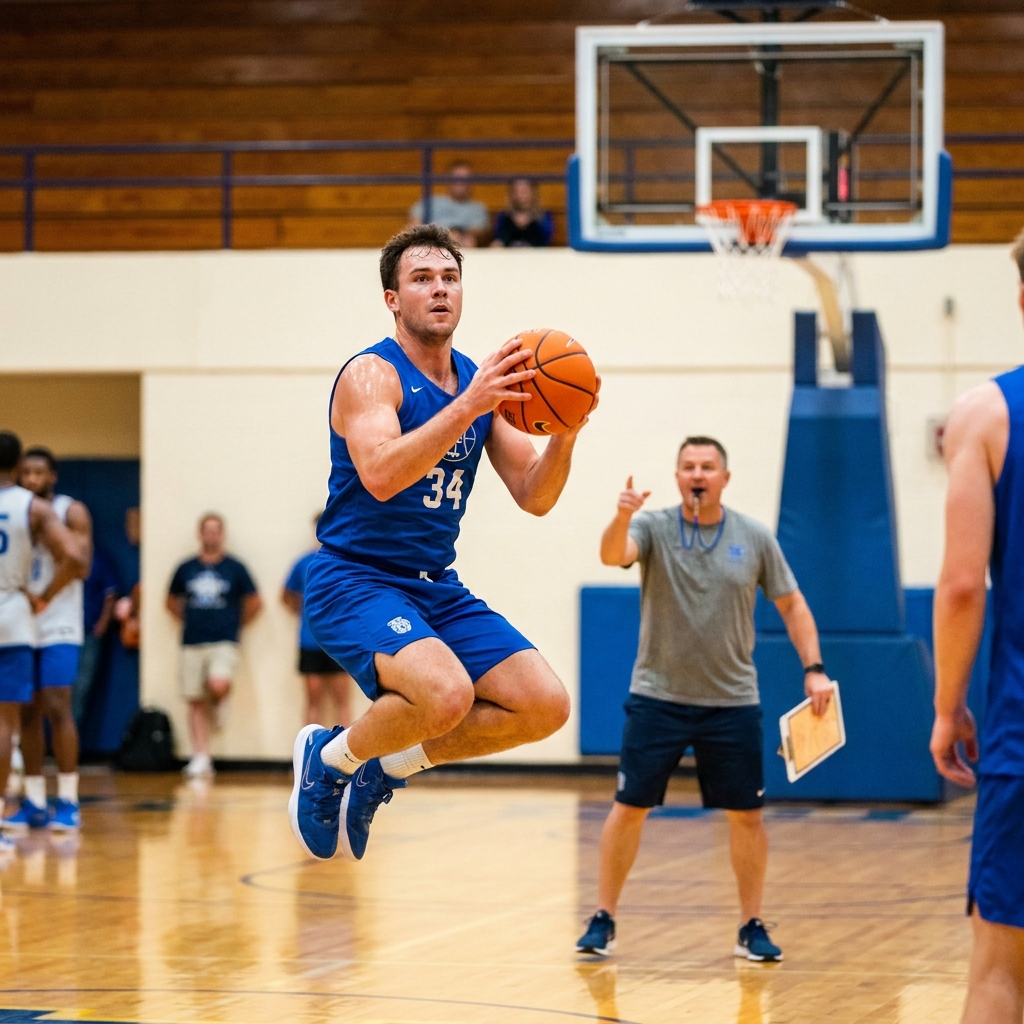
Step Five: Catch ready to play. Getting open is wasted if the catch is sloppy. Land on two feet or a jump stop, face the basket in triple threat and look to shoot, pass or drive straight away.
How to Train It
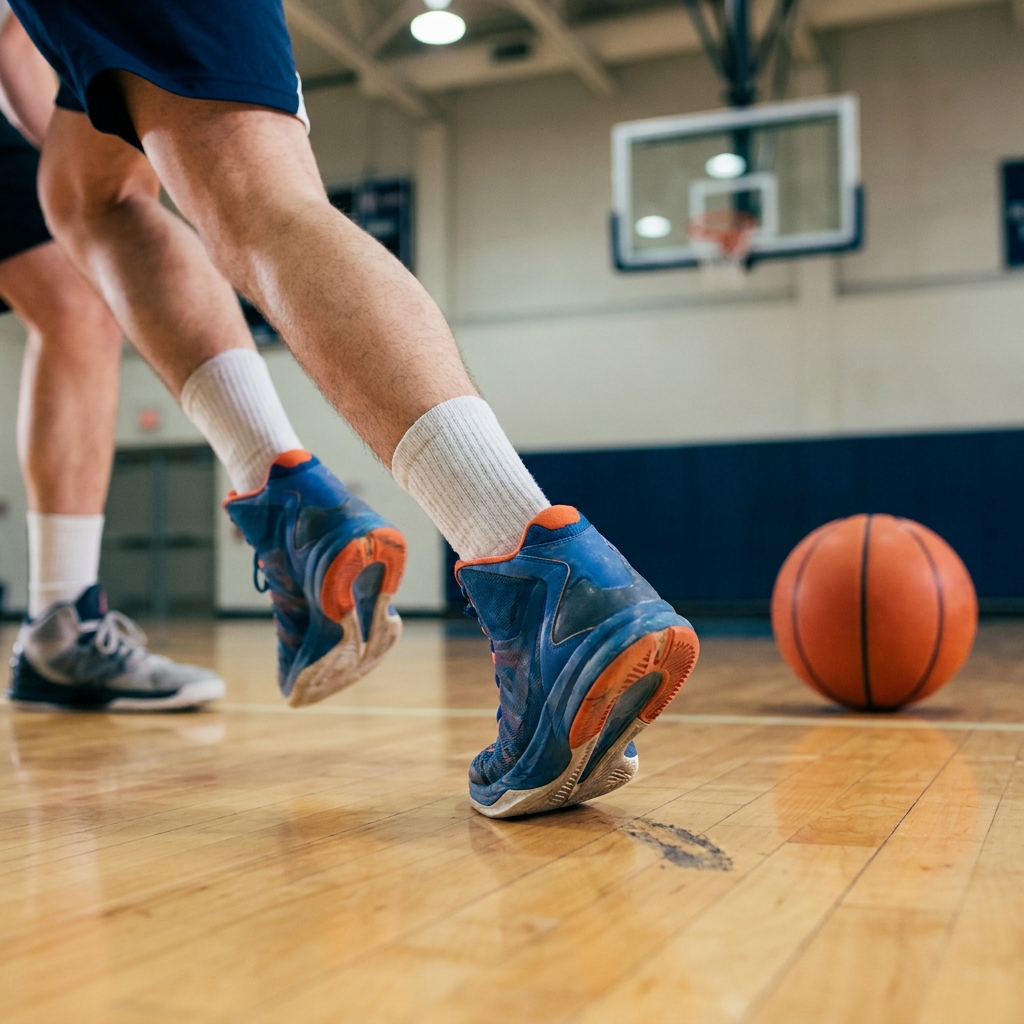
Warm-up: Footwork lines without a ball. Players practise slow-in, fast-out changes of direction, focusing on planting and pushing off the outside foot.
Technical: Passer at the top, cutter on the wing. Rotate through V-cuts and L-cuts with no defender, then add a passive defender so the cutter has to sell the first step.
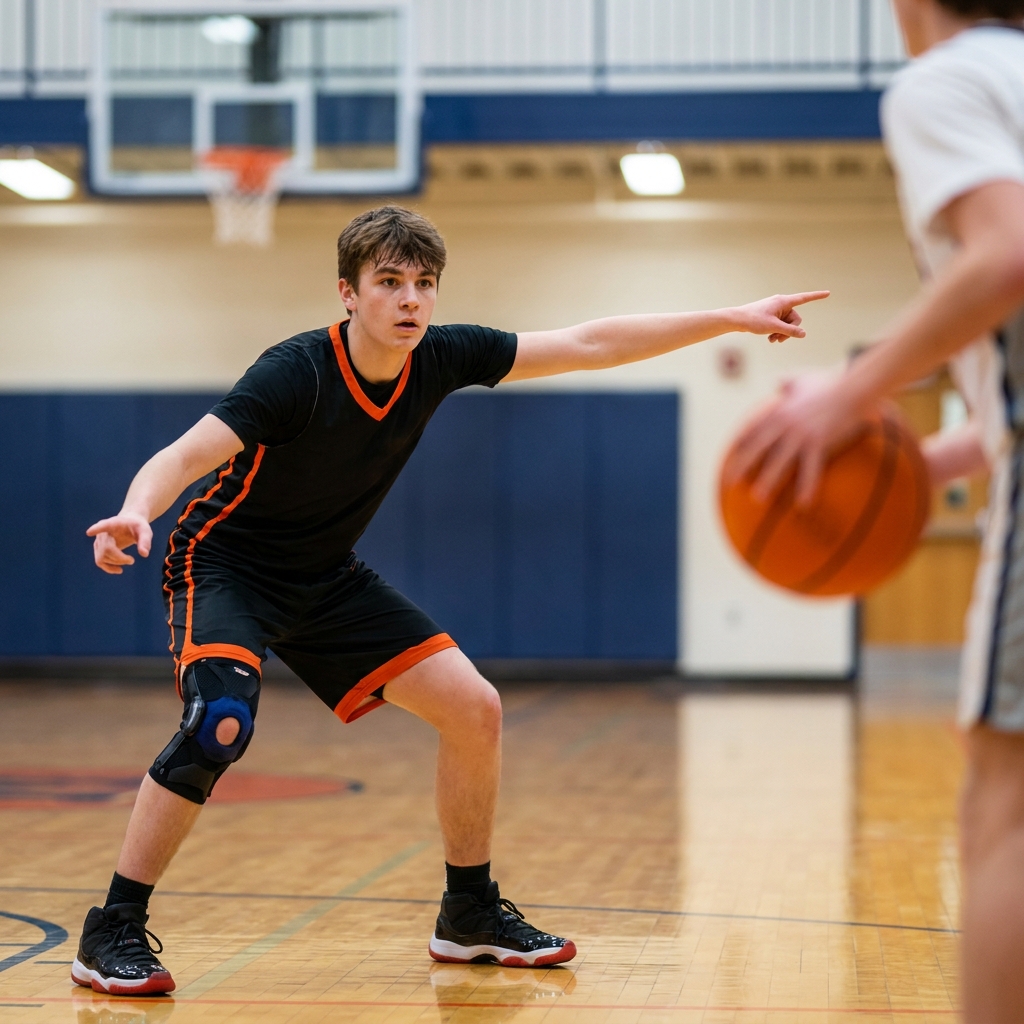
Decision-making: 1v1 on the wing with a live defender. The defender chooses whether to sag or deny. The cutter must read it: V-cut or L-cut if given space, back cut if denied. The passer only passes when the cutter is genuinely open.
Game: 3v3 or 4v4 half court with a "no dribble for the first three passes" rule. Without the dribble, players have to cut to get the ball moving, and backdoor chances appear quickly.
Key Coaching Points
- Change of pace beats speed; slow into the cut, fast out of it.
- Move away from the ball before coming back to it, to create space.
- Plant hard on the outside foot and keep the hips low through the change of direction.
- Show a clear target hand on the side away from the defender.
- Read the defender: space means V-cut or L-cut, overplay means back cut.
- Catch in triple threat, facing the basket and ready to attack.
Recommended Drills
VIEW ALL FOOTWORK AND MOVEMENT DRILLS
Frequently Asked Questions
What is the difference between a V-cut and an L-cut in basketball?
Both are cuts to get open on the wing. A V-cut goes in towards the basket and comes straight back out at an angle, making a V shape. An L-cut runs up the lane line to the elbow and then breaks out sharply to the wing, making an L shape. The L-cut is useful when the defender is sitting in the lane.
When should a player back cut?
Whenever the defender overplays the passing lane, for example by putting a hand and foot in the lane to deny the catch. The defender's eyes are on the ball, so a hard cut behind them to the basket is often open. Teach passers to look for it too, as a back cut only works if the pass arrives on time.
How do I get young players to move without the ball?
Use small-sided games with rules that reward movement, such as no dribbling, a bonus point for a basket from a cut, or "pass and cut" every time. Keep the court uncluttered with 3v3 so each player has space to cut into, and praise good cuts even when they do not lead to a pass.